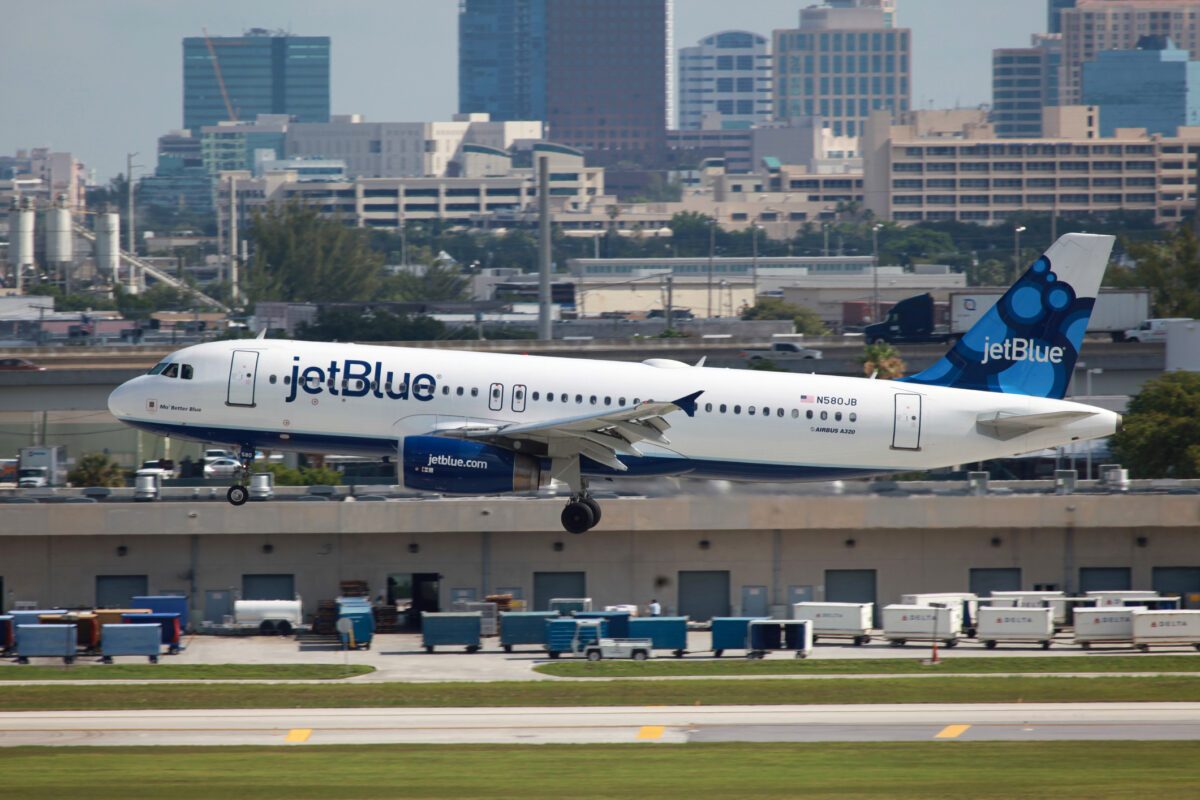
JetBlue has launched daily service from Fort Lauderdale (FLL) to Indianapolis (IND) and Columbus (CMH), adding two Midwest spokes to its rapidly expanding South Florida operation.

The first flights left FLL on November 2, with the initial Indianapolis- and Columbus-originating services scheduled for November 3. According to JetBlue’s published schedule, both routes will operate once daily with Airbus A320 aircraft.
Indianapolis is a new station for JetBlue. Columbus represents a return: the Columbus Regional Airport Authority said the airline last served CMH in 2008.
Read our stories in your inbox
Two aviation newsletters. Zero fluff.
Early departures feed JetBlue’s Fort Lauderdale network
JetBlue flight 232 departs FLL for Indianapolis at 7 p.m. and arrives at 9:39 p.m. The return, flight 235, leaves IND at 6 a.m. and reaches Fort Lauderdale at 8:45 a.m.
Columbus follows an almost identical pattern. Flight 1508 leaves FLL at 7 p.m. and arrives at CMH at 9:45 p.m. Flight 1507 departs Columbus at 6 a.m., arriving in Fort Lauderdale at 8:44 a.m. All times are local.
The schedule places an aircraft overnight at each Midwest station. That gives JetBlue early arrivals into FLL for passengers connecting through South Florida, while the evening northbound services can collect traffic arriving from elsewhere in the airline’s network.
Both airport authorities emphasized the connecting opportunity when the routes were announced in May. The Indianapolis Airport Authority highlighted access through FLL to destinations in the Caribbean and Latin America, while Columbus identified markets including San Juan, Nassau, Cancun, Cali and Cartagena.
Local traffic remains important. Indianapolis airport officials said Central Indiana already generated significant demand for Fort Lauderdale, while Columbus gains another scheduled link to South Florida alongside Southwest Airlines. Allegiant Air also serves the wider Columbus market from Rickenbacker (LCK).
Airbus A320s provide the capacity
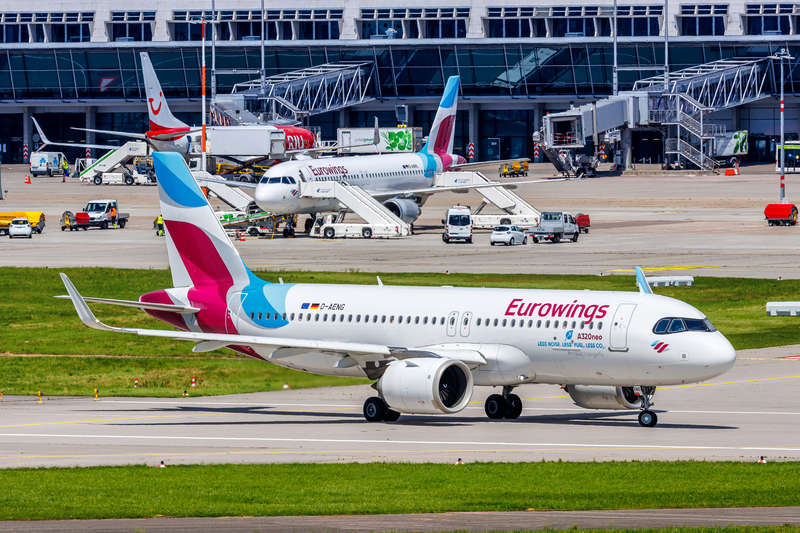
JetBlue is using the Airbus A320 on both routes. The airline’s 2025 annual filing listed 119 restyled A320s with 162 seats and 10 remaining 150-seat aircraft at the end of that year. The A320 therefore gives JetBlue a substantial daily capacity commitment in each market rather than the lower trip cost of its 140-seat Airbus A220-300.
The aircraft are being sold with JetBlue’s Main and EvenMore products. Standard onboard features include complimentary Fly-Fi internet access, seatback entertainment with live television, snacks and drinks. EvenMore adds extra legroom, early boarding, dedicated overhead-bin space and priority security where available.
JetBlue introduced one-way promotional fares from $59 in Main and $138 in EvenMore for bookings made by November 3. The offer applies to selected travel between January and March 2027, excluding Friday and Saturday departures and specified holiday blackout periods.
Fort Lauderdale growth moves into the Midwest
Indianapolis and Columbus are part of a much larger increase in JetBlue flying at FLL. The airline expects to operate more than 150 daily departures to 61 nonstop destinations during the winter, its largest schedule yet at the airport.

In July, JetBlue said its daily FLL departures had increased by more than 75% from the prior year, with 24 destinations added since December and more awaiting launch. That expansion has included a mixture of restored domestic markets, new international links and additional frequencies on existing routes.
The two Midwest services also reinforce the strategy examined in FlyMag’s earlier account of JetBlue’s Fort Lauderdale network push. The airline has moved quickly to capture traffic affected by Spirit Airlines’ withdrawal, using FLL’s domestic and near-international connectivity to support routes that depend on more than local passengers.
Spirit’s exit materially altered both new markets. After the carrier ceased operations in May, the Columbus airport identified Southwest as the remaining CMH-FLL operator, with Allegiant providing limited service from LCK. Indianapolis described JetBlue’s arrival as an additional choice for passengers seeking South Florida access during the same period of airline transition. Southwest also continues to sell Indianapolis-Fort Lauderdale service.
JetBlue’s latest financial results indicate that the added capacity at FLL is producing revenue gains rather than simply building scale. In its third-quarter update, the airline reported that Fort Lauderdale revenue per available seat mile increased nearly 15% despite capacity growth of more than 65%. JetBlue expects its share of FLL seats to reach approximately 37% during the fourth quarter, 14 percentage points higher than a year earlier.
Bottom Line
For Indianapolis and Columbus, JetBlue adds more than another Florida nonstop. The early returns into FLL are structured around the airline’s broader network, giving travelers an alternative path to the Caribbean and Latin America without routing through a large northern hub. That connectivity may be especially valuable during the Midwest winter, when demand for Florida and warm-weather international markets rises together.
For JetBlue, the two routes show how Fort Lauderdale is being rebuilt as a connecting operation as well as a large origin-and-destination market. Deploying two A320s overnight in the Midwest is a meaningful capacity commitment, but the airline’s recent FLL revenue performance gives it a stronger basis for taking that risk. The strategy depends on schedule breadth: each added spoke improves the utility of the wider network, particularly where JetBlue can combine local South Florida demand with connecting traffic.
The next test will be whether Indianapolis and Columbus can support year-round daily A320 service after the peak winter period. Frequency changes, aircraft substitutions and the response from Southwest will provide the clearest indication of how quickly JetBlue has converted an opening in the market into durable network share.