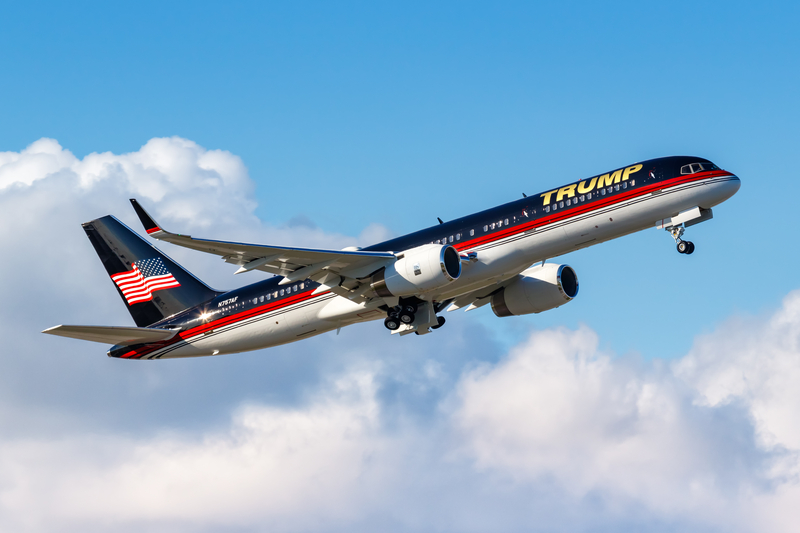
Palm Beach International Airport (PBI) could soon take on a new airport name. Florida lawmakers have advanced legislation that would rename PBI to “President Donald J. Trump International Airport,” sending the measure to Governor Ron DeSantis for signature or veto.
The bill cleared the Florida Senate by a 25–11 vote and would take effect in July 2026 if DeSantis signs it and the federal paperwork process is completed. Supporters say the renaming would recognize Trump’s connection to Palm Beach County, where he maintains a residence a short drive from PBI. Opponents argue the move is being rushed without meaningful local input and could create reputational and financial complications.
Read our stories in your inbox
Two aviation newsletters. Zero fluff.
Why this isn’t just a sign swap at PBI
To the traveling public, airport renames can look like branding. To airlines, airports, and regulators, they’re a coordinated operational change—especially at a field like PBI/KPBI, which is a busy commercial and business-aviation gateway with complex airfield and terminal operations.
PBI is a Class C airport with three runways, including a 10,001-foot 10L/28R, plus 14/32 and the shorter 10R/28L. That runway set supports steady narrowbody airline operations and heavy business-jet traffic, and it gives PBI the flexibility to keep moving even when weather shifts or arrivals spike.
Changing the name touches more than roadside signage:
-
Charts and aeronautical publications: The “name” in FAA products, airport directories, and flight planning systems has to be updated in sync.
-
Airline systems: Ticketing, station operations manuals, disruption templates, customer notifications, and baggage tracing systems all carry airport names even when the code stays the same.
-
Terminal wayfinding and leases: Every tenant with a “Palm Beach” mark—lounges, concessions, signage packages, and advertising—must decide whether to update, replace, or grandfather existing materials.
What won’t change: the airport code is still likely PBI
A key point for airline professionals: airport renaming almost never means a new airport identifier.
If the legislation is enacted, travelers should still expect:
-
IATA code: PBI
-
FAA/ICAO identifiers: PBI / KPBI
The best comparison is Washington National: it became “Reagan National,” but the code stayed DCA. That consistency matters because codes are embedded in everything from reservations to baggage tags to aircraft performance and dispatch systems.
The trademark wrinkle: why legal teams are paying attention
One reason the PBI proposal has drawn heightened scrutiny is timing around trademark filings. Reporting indicates the Trump Organization has sought trademarks for phrases like “Donald J. Trump International Airport,” “President Donald J. Trump International Airport,” and “DJT.” A spokesperson for the organization has said the president and his family would not receive financial benefit from the name change.
Even if no money changes hands, trademarks matter in aviation because airports are commercial environments: uniforms, signage, retail branding, promotional materials, and even merchandise can intersect with protected marks. The practical question for PBI isn’t political—it’s administrative: who controls the name in commercial use, and what guardrails exist to prevent future licensing disputes?
Why airlines care: PBI is a real station with real performance stakes
Palm Beach (PBI) is not a symbolic airfield. It is an operational airport with a steady stream of domestic flying—largely Airbus A320-family and Boeing 737-family aircraft—plus high volumes of corporate and private aviation. Any rebrand that creates passenger confusion (“Did my ticket change?” “Is this a new airport?”) can show up where airlines hate it most: at the gate.
Name changes can produce friction in three predictable places:
-
Customer communications: Disruption messages, boarding announcements, and rebooking flows must be precise—especially for visitors unfamiliar with South Florida geography.
-
Ground transport and wayfinding: Rideshare drivers, shuttle operators, and hotel transport desks often key off the airport name, not the code.
-
Irregular operations: During weather or ATC constraints, clarity matters. If rebrand messaging lags behind operational reality, misdirected passengers become a measurable cost.
What happens next — and what to watch
The bill’s next steps are straightforward but not instantaneous:
-
Governor’s action: signature or veto.
-
Implementation planning: budgeting and procurement for signage, wayfinding, web updates, and tenant coordination.
-
Federal coordination: updates to federal databases and publications so the airport’s official naming is consistent across aviation systems.
If the plan proceeds, the biggest near-term question isn’t whether the name can be changed—it’s how cleanly PBI can execute a rebrand without disrupting station operations, confusing travelers, or creating legal ambiguity around commercial use of the new name.
Bottom Line
Renaming Palm Beach International (PBI) to “President Donald J. Trump International Airport” would be headline-grabbing, but the real story is operational: airports don’t just change names—they update charts, systems, signage, and passenger messaging across hundreds of touchpoints.
If Florida’s governor signs the bill and the change takes effect in July 2026, travelers should still look for the same airport code—PBI—and airlines will treat this like any other station transition: a controlled, documentation-heavy update designed to keep the operation moving while the branding catches up.
Keep reading FlyMag
Get the Daily Brief in the morning or the Route Watch weekly recap on Fridays. Or both.