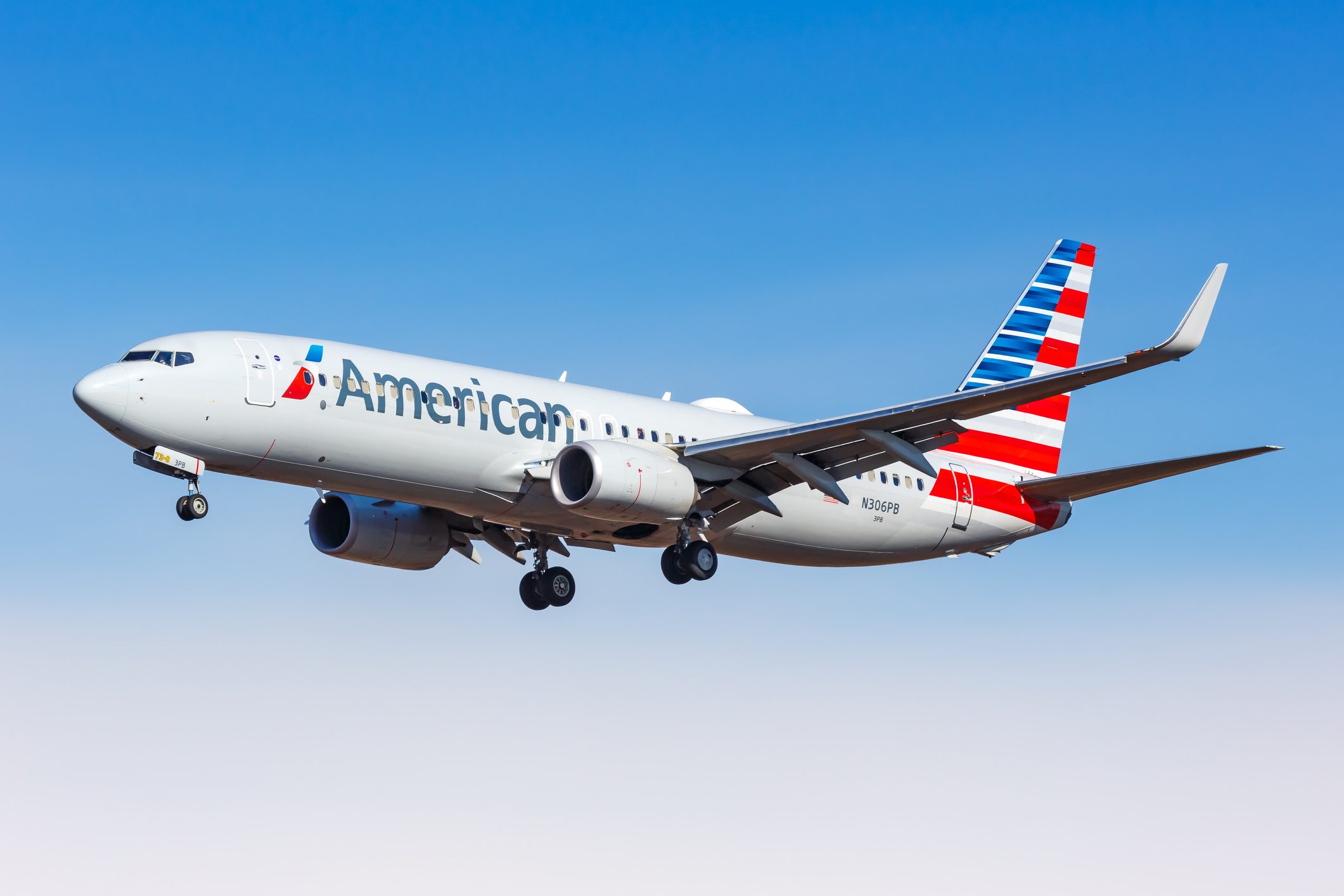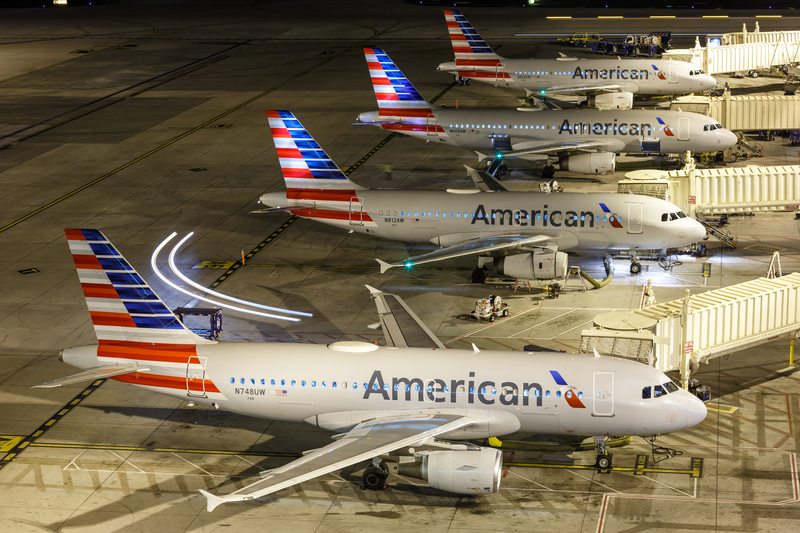
American Airlines has raised checked bag fees on domestic and short-haul international routes, becoming the latest major U.S. carrier to lean on ancillary revenue as fuel costs surge.
For tickets purchased from April 9 onward, the first checked bag now costs $50 at the airport, or $45 if prepaid online or in the app. The second checked bag rises to $60 at the airport, or $55 if prepaid. A third checked bag is now priced at $200.
That makes the move more than a routine fee tweak. It is part of a broader effort by U.S. airlines to protect margins without making headline fares look dramatically higher.
Read our stories in your inbox
Two aviation newsletters. Zero fluff.
Basic Economy Gets Hit Harder From May 18
The more notable change comes next month.
For domestic Basic Economy tickets purchased from May 18 onward, American will charge $55 for a first checked bag and $65 for a second, with prepaid discounts bringing those figures down to $50 and $60. At the same time, Basic Economy customers will also lose free seat selection and will no longer be eligible for complimentary systemwide upgrades.
That is an important shift because it shows American is not just raising bag fees. It is making the lowest end of the fare ladder materially less generous.
In practical terms, the airline is widening the gap between Basic Economy and the rest of the cabin, which gives it more room to upsell passengers into higher fares while still collecting more revenue from those who stay at the bottom.
This Is Not a Blanket Fee Increase Across the Entire Network
American has been selective about where the changes apply.
The higher first- and second-bag charges affect domestic routes, including Alaska, Hawaii, Puerto Rico, and the U.S. Virgin Islands, as well as Canada and short-haul international markets such as Mexico, much of the Caribbean, Central America, and Guyana. Premium cabin travelers still receive complimentary bags, and all AAdvantage status members continue to receive free checked baggage benefits. Most co-branded AAdvantage credit card holders also keep their first free bag on eligible domestic itineraries.
That matters because the airline is clearly trying to raise revenue without damaging the parts of the customer base it values most. The higher fees are aimed more squarely at lower-fare and less loyal travelers than at premium or status-heavy passengers.
The Real Story Is Industry-Wide, Not Just American
American’s move makes the most sense when viewed in the wider market context.
JetBlue, United, Delta, and Southwest have all raised baggage fees in recent days, while Alaska also announced its own increases on the same day as American. That means American is not acting alone or unusually aggressively. It is joining a fast-moving industry pattern.
The logic is straightforward. Fuel prices have climbed sharply as conflict in the Middle East has disrupted energy markets and shipping through the Strait of Hormuz. Airlines can respond by raising fares, cutting capacity, or leaning more heavily on ancillary charges. Bag fees are often the easiest lever because they raise revenue quickly and are less visible in fare searches than a higher base ticket price.
Why Airlines Prefer Bag Fees to Fare Hikes
For network carriers, ancillary pricing is now doing more strategic work than it once did.
A checked bag fee is no longer just an add-on. It is a tool for margin defense, customer segmentation, and loyalty marketing all at once. Airlines can charge more to occasional travelers while preserving better treatment for elites, premium cabin passengers, and co-branded credit card holders.
That is exactly what American is doing here. The fee increase helps offset higher operating costs, but it also reinforces the value of AAdvantage status, premium tickets, and card membership. In other words, the baggage fee is becoming part of the airline’s broader commercial architecture rather than just a standalone charge.
Bottom Line
American Airlines’ latest checked bag fee increase is less about luggage than about revenue strategy.
The airline is responding to a fuel-cost shock in the same way much of the U.S. industry now is: by pushing more of the cost burden into ancillary fees instead of the base fare. Domestic and short-haul international travelers will feel the increase first, while Basic Economy passengers will be hit hardest once the May 18 changes take effect.
For airline readers, the main takeaway is clear. American is not doing anything unusual by current market standards. What is notable is how quickly baggage fees have become one of the industry’s preferred tools for managing a volatile fuel environment.