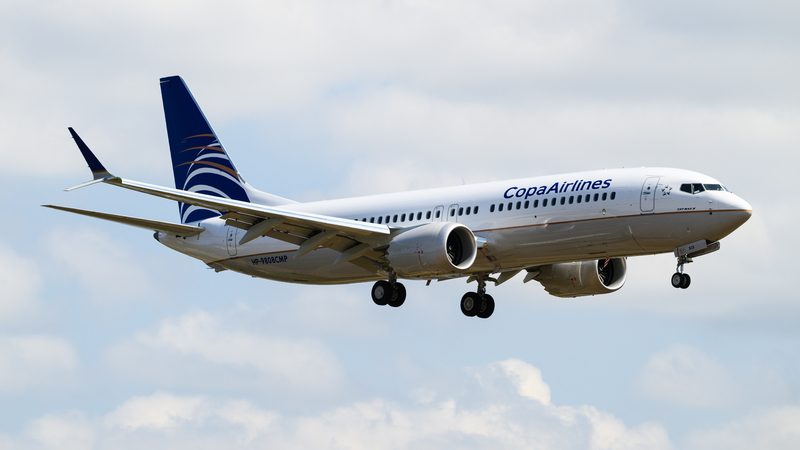
Copa Airlines has placed a major new order for 40 Boeing 737 MAX aircraft, with options for 20 more, in a move that reinforces both its long-term fleet strategy and the importance of Panama City’s Tocumen International Airport (PTY) as one of the Americas’ most efficient connecting hubs.

This is a significant order on its own, but the bigger story is what it does to Copa’s future fleet profile. Combined with aircraft already on order, the airline now expects to add more than 100 additional 737 MAX jets over time, giving it one of the clearest narrowbody growth plans in Latin American aviation.
For airline professionals, that matters because Copa is not expanding into a new fleet type or chasing diversification. It is doing the opposite. It is betting harder on the single-fleet model that has defined its success for years.
Read our stories in your inbox
Two aviation newsletters. Zero fluff.
The New Deal Deepens Copa’s All-737 Strategy
Copa already operates more than 110 Boeing 737-family aircraft, including Next-Generation 737s, 737 MAX aircraft, and freighter conversions.
That makes this order strategically important in a very specific way. The airline is not buying growth at the cost of complexity. It is growing while preserving one of its core structural advantages: fleet commonality.
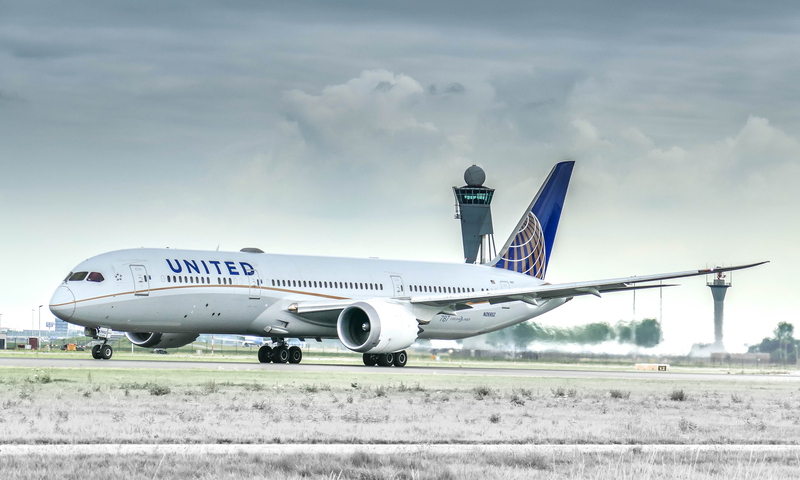
For an airline built around tight connections, fast aircraft turns, and disciplined cost control, that matters enormously. Commonality simplifies pilot training, maintenance, spares planning, and day-to-day operations. It also gives Copa more flexibility in assigning aircraft across the network without introducing the inefficiencies that come with multiple narrowbody families.
In other words, this is a growth order, but it is also a cost-discipline order.
The 737 MAX Is The Right Aircraft For Copa’s Network Model
Copa’s network is unusually well suited to the Boeing 737 MAX family.
From Panama City Tocumen International Airport (PTY), the airline runs a hub structure that depends on short and medium-haul flows across North America, Central America, South America, and the Caribbean. That demands an aircraft with strong efficiency, decent range, solid cargo capability, and enough flexibility to serve both high-density short sectors and longer narrowbody missions.
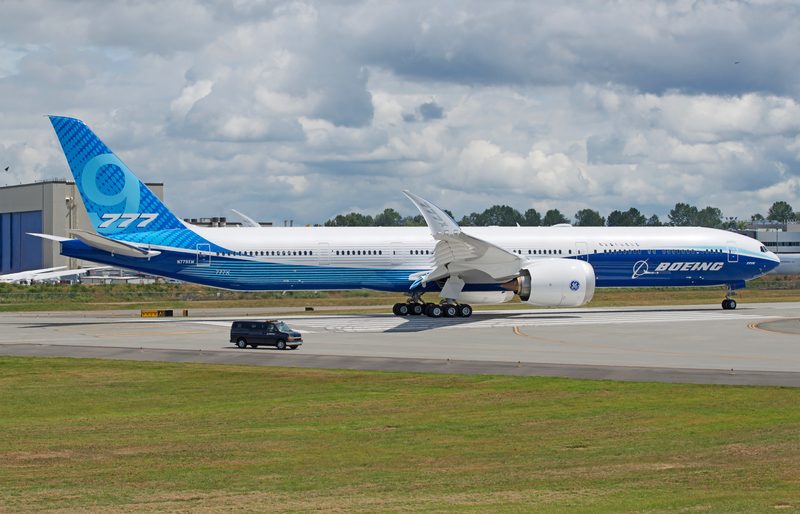
The 737 MAX fits that role well. Copa has specifically emphasized the value of the 737-8 and 737-9, both of which can support dense connecting banks while giving the airline better fuel efficiency and lower operating costs than older-generation aircraft.
That is one reason this order matters beyond size. It supports exactly the type of flying Copa does best.
Tocumen’s “Hub of the Americas” Remains The Center Of Everything
The order is really a vote of confidence in Copa’s hub model.
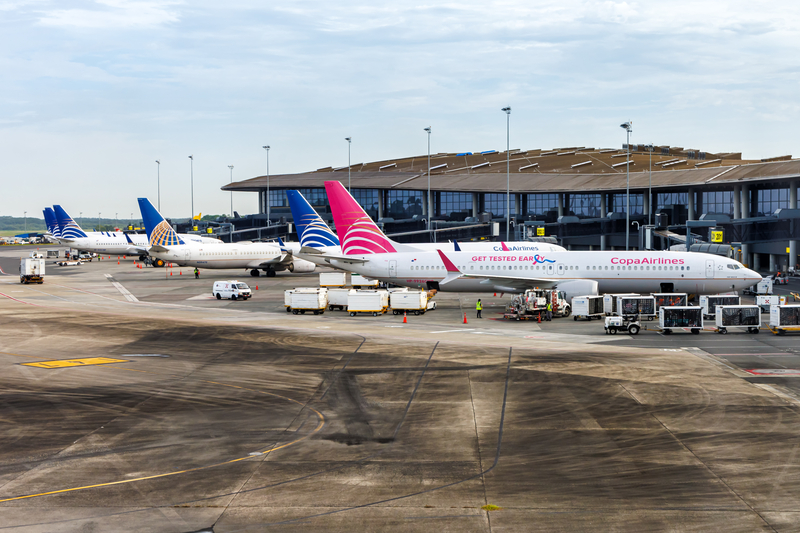
Panama City’s Tocumen International Airport (PTY), branded by Copa as the “Hub of the Americas,” remains one of the most strategically valuable transfer points in the Western Hemisphere. The airport allows Copa to connect north-south and intra-regional traffic efficiently in a way that few airlines in the Americas can match.
That structure depends on scale and frequency. A hub does not work best when it simply has airplanes. It works best when it has enough airplanes to build strong banks, preserve schedule options, and keep connection windows attractive.
The new MAX order helps protect that model for the next decade.
This Is Not Just Fleet Renewal — It Is Growth
It would be too simplistic to frame the order only as replacement.
Yes, some of these aircraft will contribute to fleet modernization. But the scale of the commitment makes clear that this is also about growth. Copa says the agreement, together with its existing order book, will allow it to expand its network across the Americas and Caribbean over the next eight years.
That is important because it signals confidence not just in aircraft economics, but in demand. Airlines do not commit to this kind of narrowbody volume unless they see a durable case for more flying, more destinations, more frequencies, or some combination of all three.
For Copa, the message is clear: the carrier still believes there is room to grow through Panama rather than simply defend what it already has.
The Order Also Shows Continued Confidence In Latin American Narrowbody Demand
There is a broader market signal here as well.
Latin America and the Caribbean remain one of the world’s more important narrowbody-growth regions, and Boeing has forecast that the region will need more than 2,300 new aircraft over the next 20 years, with single-aisle jets accounting for the great majority of them.
Copa’s order fits that trend perfectly. The airline is not buying widebody prestige or niche fleet complexity. It is buying the aircraft category most closely aligned with how traffic in the region actually grows: efficient, flexible narrowbodies that can support both point-to-point and hub-driven connectivity.
The Boeing Relationship Still Matters
This order also reinforces how central Boeing remains to Copa’s identity.
Copa has built its modern operation around the Boeing 737, and this latest agreement deepens that relationship further. For Boeing, repeat business from an airline like Copa carries real weight because it comes from an operator whose business model is unusually dependent on disciplined narrowbody economics.
When a carrier like Copa orders more MAX aircraft at this scale, it is not making a speculative statement. It is making a judgment that the type still works in real-world network economics.
That is a meaningful endorsement.
The Bigger Number To Watch Is 100+
The headline is 40 firm aircraft with 20 options. But the more telling number is the one behind it.
With this deal added to its existing commitments, Copa now plans to expand by more than 100 737 MAX aircraft over time. That is a major future fleet increase for an airline of its size, and it has obvious implications for route development, hub scale, and competitive positioning across the Americas.
That is why this order should be read as more than a procurement story. It is a network story. It shows how seriously Copa is investing in the next phase of its hub-and-spoke growth model.
Bottom Line
Copa Airlines’ order for 40 Boeing 737 MAX jets, with options for 20 more, is a major long-term commitment to the fleet strategy that has defined the airline’s success. It strengthens Copa’s all-737 model, gives it more room to grow through Panama City Tocumen Airport (PTY), and sets up the airline to expand across the Americas and Caribbean over the next eight years.
More importantly, it confirms that Copa is not retreating into caution. It is investing in scale, efficiency, and network depth — all while staying tightly aligned to the aircraft family that best fits its operating model.
Keep reading FlyMag
Get the Daily Brief in the morning or the Route Watch weekly recap on Fridays. Or both.