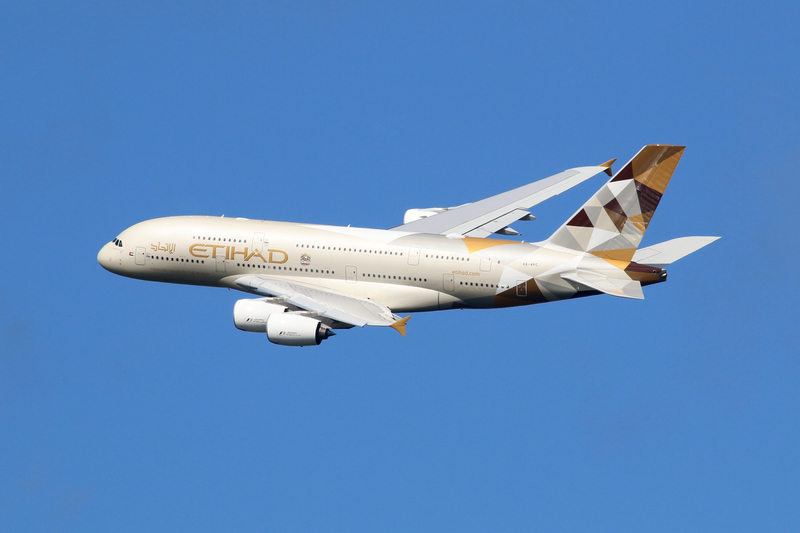
Etihad Airways (EY) started 2026 with a strong set of traffic indicators: 2.2 million passengers carried in January, up 29% from 1.7 million in January 2025, while keeping its passenger load factor at 89.9% (versus 89.1% a year earlier). For a network airline actively adding capacity, that combination—double-digit growth without load-factor slippage—is the clearest signal that demand is keeping pace with supply.

The other headline is scale. Etihad says its operating fleet stood at 127 aircraft at the start of 2026, up from 101, and its network reached 110 destinations worldwide, up from 94. The airline notes those destination figures include seasonal routes, cargo points, and destinations scheduled to start within the next 12 months, which is important context when comparing year-on-year counts.
Why 89.9% matters: growth without dilution is hard
An 89.9% system load factor is high by any global network-carrier standard—especially in January, a month that often exposes weak points in post-holiday demand. The more telling nuance is that Etihad increased passengers by 29% while keeping loads essentially flat year-on-year.
Read our stories in your inbox
Two aviation newsletters. Zero fluff.
For airline professionals, that usually implies three things happening in parallel:
-
Capacity discipline is tight. Etihad is not simply dumping seats into the market; it’s pacing growth to what it can fill.
-
Connectivity is doing work. A hub carrier only sustains that kind of utilization when connection flows are robust and bank structures are tuned.
-
Revenue management is aligned with the network plan. If loads rise only because fares are collapsing, the signal would be less impressive. Holding near-90% while scaling suggests the airline is managing the balance between volume and yield.
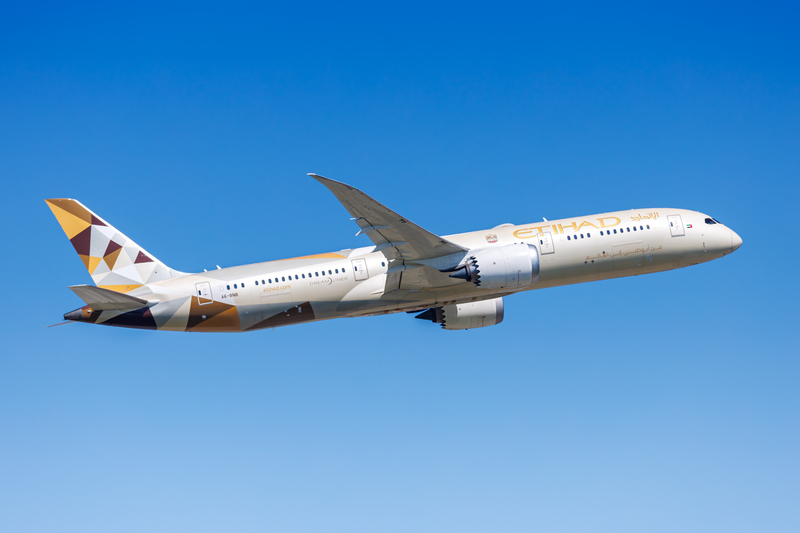
That said, the real test of “healthy” growth is whether yields and unit revenues hold up as new routes mature. Load factor is necessary—but not sufficient.

Fleet and network expansion: 127 aircraft, 110 destinations
Etihad’s stated footprint at the start of 2026:
-
Operating fleet: 127 aircraft (up from 101)
-
Destinations: 110 (up from 94)
The destination number is broad by design. Etihad’s inclusion of cargo destinations and routes scheduled to start within the next 12 months means the figure represents “reachable network scope,” not purely “currently operated passenger routes in January.” Still, the direction of travel is clear: Etihad is building scale around Abu Dhabi (AUH) as a transfer hub and pushing to widen its addressable market without sacrificing utilization.
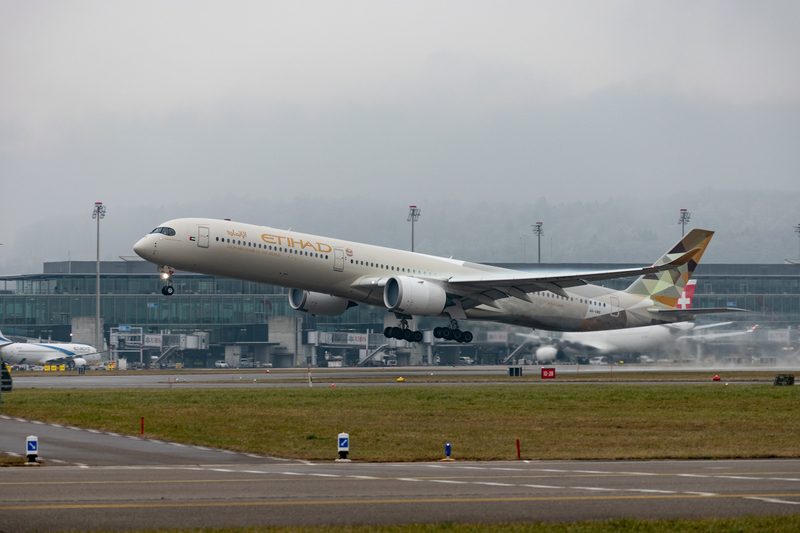
What Etihad is signaling about its growth model
CEO Antonoaldo Neves framed the January result as proof that demand remains strong and highlighted Etihad’s ability to keep loads above 89% while expanding. The airline also pointed to newly announced services to Luxembourg (LUX) and Calgary (YYC) as examples of continued network growth.
From a network-planning standpoint, those two cities fit a familiar Etihad strategy:
-
Add selective points that can generate local traffic and connect efficiently over AUH
-
Use the hub to blend Europe, the Gulf, the Indian Subcontinent, and parts of Asia-Pacific flows
-
Keep frequencies and aircraft size aligned with realistic demand ramp curves
What to watch next: load-factor resilience as new routes “age in”
Maintaining near-90% loads is one thing when you’re growing within already-established markets. It becomes harder when:
-
You add new destinations that require a ramp-up period
-
You layer in more aircraft capacity and need to protect frequency integrity
-
Competitors respond with capacity or pricing pressure
The next meaningful tell for Etihad will be whether it can sustain this utilization as additional capacity comes online and the newest routes move from “launch excitement” into steady-state economics.
Bottom Line
Etihad carried 2.2 million passengers in January 2026, up 29% year-on-year, while holding a strong 89.9% load factor—a noteworthy outcome for an airline actively scaling its hub. With an operating fleet reported at 127 aircraft and a network of 110 destinations (including seasonal, cargo, and soon-to-launch routes), Etihad is expanding breadth while keeping utilization unusually tight. The challenge now is sustaining that load-factor resilience as routes like Luxembourg (LUX) and Calgary (YYC) mature and more capacity enters the system through Abu Dhabi (AUH).
Keep reading FlyMag
Get the Daily Brief in the morning or the Route Watch weekly recap on Fridays. Or both.