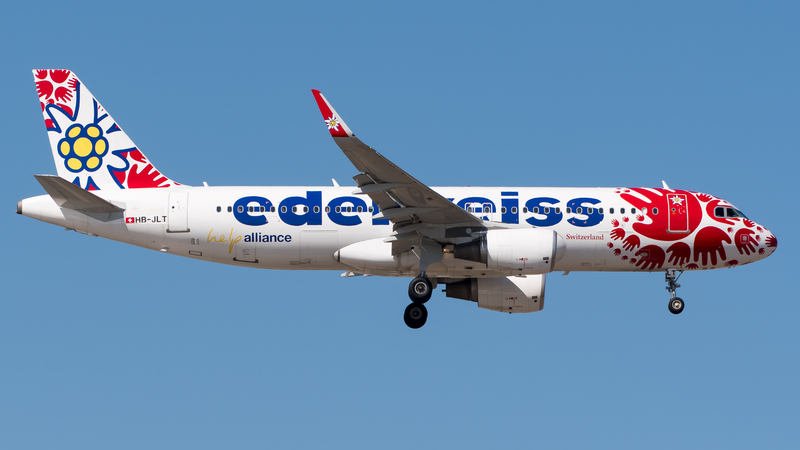
Edelweiss is making a sizeable winter schedule expansion from Zurich, adding more flights, longer seasonal coverage, and extra capacity across some of its strongest cold-weather and winter-sun markets.

The Swiss leisure carrier will offer 69 destinations in 33 countries from Zurich Airport (ZRH) during the winter 2026/27 season, which runs from October 25, 2026 through March 27, 2027. The program includes 51 short- and medium-haul destinations and 18 long-haul destinations.
The largest increases are focused on Finnish Lapland, Northern Norway, Northern Sweden, the Indian Ocean, Sri Lanka, Namibia, the Canary Islands, Greece, Portugal, Morocco, and Italy. In practical terms, Edelweiss is leaning harder into two of the strongest winter travel trends in Europe: Northern Lights holidays and long-haul sun escapes.
Read our stories in your inbox
Two aviation newsletters. Zero fluff.
This is not a scattershot capacity increase. It is a targeted winter leisure build around destinations where Swiss demand has clearly deepened.
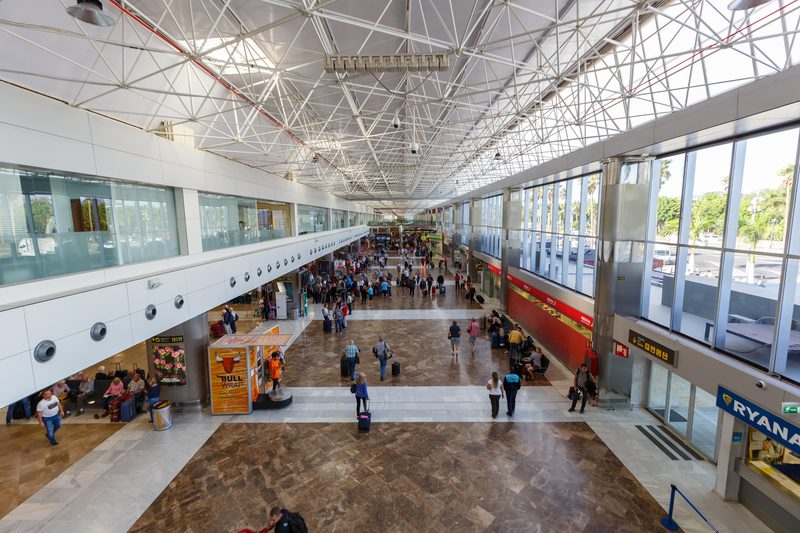
Lapland Gets The Biggest Winter Lift
Finnish Lapland is the standout winner in the new schedule.
Edelweiss will start Kittilä (KTT) earlier than before, moving the launch from mid-December to the end of November. The route will also receive an additional Saturday flight, and during the winter school holiday peak, Edelweiss will add Tuesday and Thursday services. That brings Zurich (ZRH)–Kittilä (KTT) to as many as five weekly flights at the height of the season.
For a specialist winter route, that is a significant level of capacity. Kittilä (KTT) serves one of Finland’s most important Lapland tourism regions, including Levi, Ylläs, snow-sports resorts, Arctic excursions, glass igloo stays, and Northern Lights trips. It is exactly the kind of destination where demand is concentrated but high-yielding during peak winter weeks.
Rovaniemi (RVN), the capital of Finnish Lapland and the airport most closely associated with Santa Claus Village, will also start earlier at the end of November. Edelweiss is adding Friday service, improving weekend flexibility for families and tour operators.
Ivalo (IVL), further north in Finnish Lapland, will increase from two to three weekly flights during the peak season. Kuusamo (KAO), another winter leisure market with strong demand for snow, nature, and outdoor travel, will also receive more nonstop flights.
Together, the Lapland expansion shows Edelweiss moving from niche Arctic service toward a more serious winter program. These routes are not merely Christmas extras. They are becoming a structured seasonal network.
Why Lapland Works For Edelweiss
Lapland is a natural fit for Edelweiss because it combines leisure demand, tour-operator traffic, family travel, and premium winter experiences.
Swiss travelers have strong access to Alpine winter destinations at home, so Lapland must offer something different. It does: Arctic scenery, reindeer and husky activities, Northern Lights excursions, Santa-themed travel, remote lodges, snowmobiling, frozen lakes, and a winter landscape that feels very different from Switzerland.
From an airline perspective, these routes also work because they are highly seasonal but concentrated. Families, couples, and tour groups often book around school holidays, Christmas, New Year, and February winter breaks. That creates specific peak periods where additional aircraft rotations can be justified.
The challenge is aircraft utilization. A route such as Zurich (ZRH)–Kittilä (KTT) or Zurich (ZRH)–Ivalo (IVL) is longer and more operationally demanding than a Mediterranean hop. Edelweiss’ Airbus A320-family aircraft are well suited to the task, but the airline has to balance stage length, winter airport conditions, crew planning, and aircraft rotations carefully.
That is why the schedule expansion is notable. Edelweiss clearly sees enough demand to justify more flying into airports that are seasonal, remote, and weather-sensitive.
More Capacity To Northern Norway And Sweden
Edelweiss is also strengthening its Northern Europe footprint outside Finland.
Tromsø (TOS), one of Northern Norway’s most popular winter gateways, will now be served daily from Zurich (ZRH). That is a major increase for a route built around Arctic tourism, Northern Lights travel, whale watching, winter cruises, and access to the wider Troms region.
Daily winter service to Tromsø is a strong signal. It suggests the route has moved beyond a limited seasonal niche and into one of Edelweiss’ core winter leisure markets. For passengers, daily service also makes trip planning easier. Instead of being locked into one or two weekly departures, travelers can build shorter or longer itineraries around weather, cruises, tours, and hotel availability.
Luleå (LLA), in Swedish Lapland, will receive a second weekly flight during peak demand months following what Edelweiss describes as a successful first season. Luleå gives the airline another northern Swedish option, with access to winter landscapes, frozen archipelago experiences, ice roads, and regional tourism beyond the more established Norwegian and Finnish points.
Bergen (BGO) is also being extended. Edelweiss will now serve the Norwegian west coast city in February and March, complementing its existing summer schedule. Bergen is not a classic Arctic destination in the same way as Tromsø or Ivalo, but it works well as a winter city-break and fjord gateway, especially for travelers seeking coastal Norway rather than deep snow tourism.
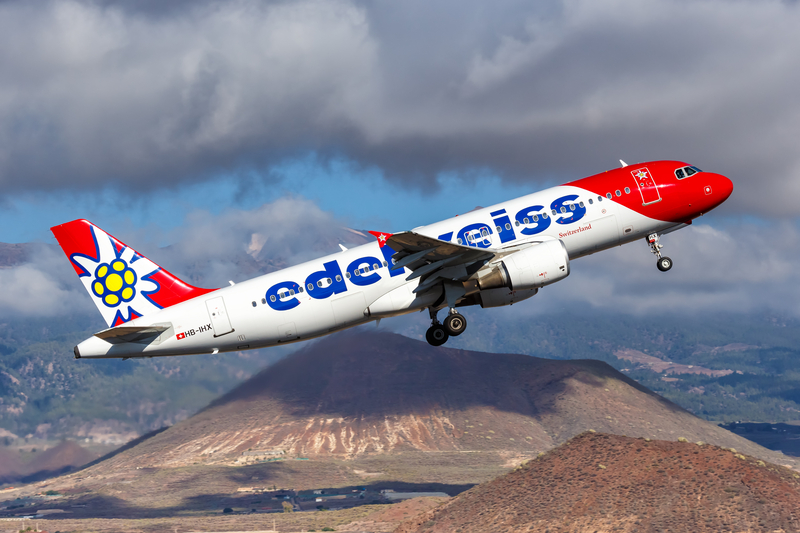
The Aircraft: A320 And A320neo On The European Network
Edelweiss’ short- and medium-haul winter expansion is built around the Airbus A320 family.
The airline currently operates 15 Airbus A320 aircraft on short- and medium-haul routes, and six A320neos are joining the fleet between spring 2026 and 2028. Three of those A320neos will replace older A320s, while the rest will help Edelweiss grow to 18 short-haul aircraft in the future.
The A320 is a practical aircraft for routes such as Zurich (ZRH)–Tromsø (TOS), Zurich (ZRH)–Kittilä (KTT), Zurich (ZRH)–Rovaniemi (RVN), Zurich (ZRH)–Luleå (LLA), and Zurich (ZRH)–Bergen (BGO). Edelweiss lists its A320 with 174 seats and a range of 5,550 km, enough for these longer northern sectors from Switzerland.
The A320neo adds better economics. Edelweiss’ A320neo seats 180 passengers, has a 6,100 km range, and uses Pratt & Whitney PW1127G-JM engines. The airline says the A320neo reduces fuel consumption and CO₂ emissions per seat by at least 15% compared with the previous-generation A320 and is about 50% quieter than the classic A320.
That matters on the northern routes. Longer medium-haul sectors amplify the value of lower fuel burn. If Edelweiss can put A320neos onto some of these flights, the aircraft will help improve route economics while adding six more seats compared with the older A320 layout.
Long-Haul Winter Sun Also Grows
Edelweiss is not only increasing cold-weather destinations. It is also adding more winter-sun capacity on long-haul routes.
Malé (MLE) in the Maldives will receive an additional weekly flight from the end of October through mid-January, giving the route up to four weekly services during the peak season. That is a major increase for one of Edelweiss’ most important Indian Ocean leisure markets.
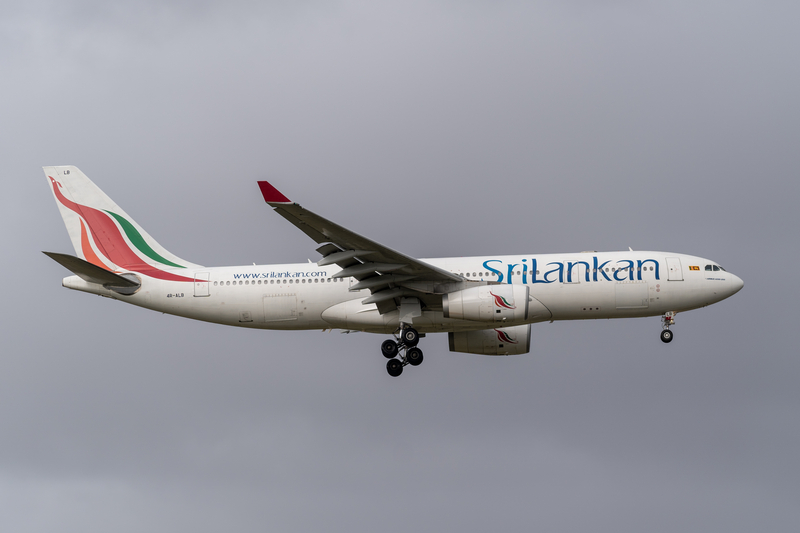
Colombo (CMB) in Sri Lanka will also receive an additional weekly flight during the same period, increasing to up to three weekly services. Colombo gives Edelweiss a different long-haul leisure profile from the Maldives. It combines beach travel, cultural tourism, round-island itineraries, wellness, wildlife, and visiting-friends-and-relatives demand.
Windhoek (WDH) in Namibia will also get a longer season. Instead of beginning in early June as before, Edelweiss will now start service in mid-March. That materially extends the Zurich (ZRH)–Windhoek (WDH) window and gives the route more shoulder-season relevance.
These additions reflect a clear long-haul strategy: Edelweiss is placing more capacity where Switzerland’s leisure market has strong winter demand, particularly for warm-weather destinations that are difficult to reach nonstop from Zurich.

The A350-900 Gives Edelweiss More Long-Haul Flexibility
The long-haul expansion comes as Edelweiss continues its major fleet transition from the Airbus A340-300 to the Airbus A350-900.
The airline currently lists three Airbus A340-300s and four Airbus A350-900s in the fleet, with two more A350s due by the end of 2026. The A350-900 is becoming increasingly important for routes such as Malé (MLE), Colombo (CMB), Windhoek (WDH), and other long-haul leisure markets from Zurich (ZRH).
Edelweiss’ A350-900 seats 339 passengers: 30 in Business Class, 63 in Economy Max, and 246 in Economy. The aircraft has a listed range of 15,000 km, a cruising speed of 910 km/h, and is powered by two Rolls-Royce Trent XWB-84 engines.
Compared with the A340-300, the A350 is a major efficiency upgrade. Edelweiss says the A350 produces 25% less CO₂ than its A340 predecessor thanks to lower fuel consumption, lightweight materials, and new-generation engines. Noise emissions are also significantly lower.
For a leisure airline, that is not only an environmental point. It is a commercial one. Long-haul routes such as Zurich (ZRH)–Malé (MLE) and Zurich (ZRH)–Colombo (CMB) are long sectors where fuel cost matters heavily. The A350 gives Edelweiss more range, better economics, and a more modern cabin for passengers flying overnight to high-value leisure destinations.
Maldives And Sri Lanka Are Capacity-Quality Markets
The extra flights to Malé (MLE) and Colombo (CMB) are especially important because these are not low-yield mass-market routes.
The Maldives is a premium leisure destination with strong demand for resorts, honeymoons, luxury travel, diving, and winter escapes. A fourth weekly Zurich (ZRH)–Malé (MLE) service during peak season gives Edelweiss more ability to capture high-value Swiss outbound demand when hotel occupancy and fares are strongest.
Sri Lanka is broader and more diverse. Colombo (CMB) can serve beach resorts, cultural circuits, wildlife parks, hill-country trips, Ayurveda and wellness travel, diaspora traffic, and tours combining multiple regions of the island. Increasing to three weekly flights gives tour operators and independent travelers more flexibility while keeping capacity controlled.
Both routes are also long enough that nonstop service has real value. A Swiss traveler can reach the Maldives or Sri Lanka via Gulf hubs such as Doha (DOH), Dubai (DXB), Abu Dhabi (AUH), or Istanbul (IST). Edelweiss’ advantage is nonstop convenience from Zurich (ZRH), particularly for holiday passengers who want to avoid connections and minimize total journey time.
Namibia Gets A Longer Season
Windhoek (WDH) is another strategically useful long-haul leisure route for Edelweiss.
Namibia has become a strong premium adventure and nature destination, appealing to travelers interested in self-drive safaris, desert landscapes, Etosha National Park, Sossusvlei, Skeleton Coast, wildlife lodges, and wide-open scenery. It is not a mass beach market, but it can support high-value leisure demand.
Starting the Windhoek season in mid-March instead of early June gives Edelweiss a longer window to sell Namibia packages and independent travel. March and April can be attractive for Southern Africa travel, and extending the season helps the airline and tour operators capture demand before the European summer peak.
Windhoek (WDH) also fits the A350 strategy. It is a long sector from Zurich (ZRH), but one where the right aircraft can make nonstop leisure flying more efficient and attractive.
More Mediterranean And Canary Islands Capacity
Edelweiss is also reinforcing several shorter leisure markets.
Corfu (CFU) will now be served until mid-November, extending the Greek island’s season beyond the traditional summer peak. Crete is also gaining a longer schedule, with Chania (CHQ) operating until the end of October and Heraklion (HER) continuing until the beginning of December.
That is a sign of how Mediterranean demand has changed. Southern Europe is no longer purely a July-August market. Travelers increasingly book shoulder-season trips for lower hotel prices, milder weather, fewer crowds, and more flexible holiday patterns.
In Portugal, Faro (FAO) will receive an additional frequency throughout the season, with up to five weekly flights. The Algarve remains one of Europe’s strongest winter and shoulder-season leisure regions, particularly for golf, sun, second-home travel, and longer stays.
In the Canary Islands, Lanzarote (ACE) and Fuerteventura (FUE) will see increased capacity in autumn. La Palma (SPC) will also change operationally, with most flights now operating nonstop rather than via Tenerife. That frees capacity to Tenerife, likely Tenerife South (TFS), while improving the La Palma passenger experience.
Marrakech (RAK) in Morocco will receive additional flights in February and March, while Bari (BRI) in southern Italy will now be offered over Christmas and New Year rather than only in the summer schedule.
Why The European Changes Matter
The short- and medium-haul changes may look incremental, but they reveal a lot about Edelweiss’ network logic.
The airline is not simply adding routes. It is stretching seasons, improving nonstop patterns, and adding flights where demand exists outside the traditional summer peak. That is critical for a leisure carrier based in Switzerland.
Aircraft are expensive assets. A holiday airline cannot rely only on July and August. Winter flying has to do real work, whether through Lapland, the Canary Islands, North Africa, the Indian Ocean, or ski-adjacent and city-break markets.
Edelweiss’ winter 2026/27 plan shows an effort to smooth seasonality. Northern destinations help fill aircraft with winter-experience demand. Long-haul sun destinations capture premium winter escapes. Mediterranean and Canary Islands extensions support shoulder-season travel. Together, those markets help maintain a more balanced fleet schedule across the colder months.
Zurich Remains The Core Platform
All of this expansion is built from Zurich (ZRH), which gives Edelweiss a strong but specific market position.
Zurich is not one of Europe’s largest airports by passenger volume, but it has a wealthy catchment, strong outbound leisure demand, excellent rail access, and close integration with SWISS and the Lufthansa Group. Edelweiss benefits from that ecosystem while maintaining a distinct leisure identity.
As a sister company of SWISS and a Lufthansa Group carrier, Edelweiss can serve markets that may not fit SWISS’ core business-focused network. That includes winter sun, island routes, Arctic destinations, and leisure-heavy long-haul points.
The Zurich base also gives Edelweiss a valuable customer profile. Swiss travelers often have strong willingness to pay for nonstop flights, reliable service, checked baggage, packaged holidays, and comfortable long-haul cabins. That helps support routes that might be more difficult from lower-yield leisure markets.
A Winter Schedule Built Around Experience Travel
The common theme across the winter expansion is experience-driven travel.
Lapland is about snow, Northern Lights, Santa travel, and Arctic activities. Tromsø is about aurora tourism, winter landscapes, and expedition-style travel. Luleå brings Swedish Lapland into the mix. Bergen adds fjords and coastal Norway. Malé is about resort luxury and diving. Colombo is about culture, beaches, wildlife, and island touring. Windhoek is about safari and desert adventure.
This is exactly where leisure airlines can create value. Passengers are not simply buying a seat. They are buying access to a holiday experience. A nonstop flight from Zurich (ZRH) makes that experience easier to sell.
That is why Edelweiss can justify adding frequencies rather than just leaving travelers to connect over hubs. For many leisure passengers, especially families and premium travelers, nonstop convenience is part of the product.
Bottom Line
Edelweiss’ winter 2026/27 expansion is one of the clearest signs yet that Switzerland’s leisure market is moving in two directions at once: north for Arctic winter experiences and south for long-haul sun.
From Zurich (ZRH), the airline will offer 69 destinations in 33 countries between October 25, 2026 and March 27, 2027. Finnish Lapland sees the largest short-haul increase, with more flying to Kittilä (KTT), Rovaniemi (RVN), Ivalo (IVL), and Kuusamo (KAO). Tromsø (TOS) becomes daily, Luleå (LLA) gains peak-season capacity, and Bergen (BGO) is extended into late winter.
On the long-haul side, Malé (MLE) rises to up to four weekly flights, Colombo (CMB) to up to three weekly flights, and Windhoek (WDH) starts earlier in mid-March. Across Europe, Edelweiss is also extending or increasing service to Corfu (CFU), Chania (CHQ), Heraklion (HER), Faro (FAO), Lanzarote (ACE), Fuerteventura (FUE), La Palma (SPC), Tenerife (TFS), Marrakech (RAK), and Bari (BRI).
The fleet story supports the network story. Airbus A320 and A320neo aircraft are the right tools for the longer European and Arctic routes, while the Airbus A350-900 gives Edelweiss better long-haul economics and more comfort as it replaces the older A340-300.
For Edelweiss, this is a smart winter playbook: more Lapland, more Northern Lights, more Indian Ocean, more Africa, and more shoulder-season Mediterranean flying. For passengers in Switzerland, it means a broader set of nonstop holiday options from Zurich — and fewer reasons to connect through another European or Gulf hub to reach the winter trip they actually want.
Keep reading FlyMag
Get the Daily Brief in the morning or the Route Watch weekly recap on Fridays. Or both.