American Airlines (AA) has introduced an unusual short-term workaround for flights touching London Heathrow (LHR): double-catering departures from the United States so the aircraft arrive with enough food and beverage to operate the return leg from LHR without relying on normal local uplift.

An internal operational memo dated February 28, 2026 outlined the change and noted it followed an evaluation with local suppliers. Beginning Monday, March 2, crews were briefed that flights bound for LHR would carry twice the usual provisioning. The airline has not publicly detailed the root cause, but the measure is designed to keep the schedule moving while alternative solutions are arranged on the ground in London.
What “double-catering” actually means in airline operations
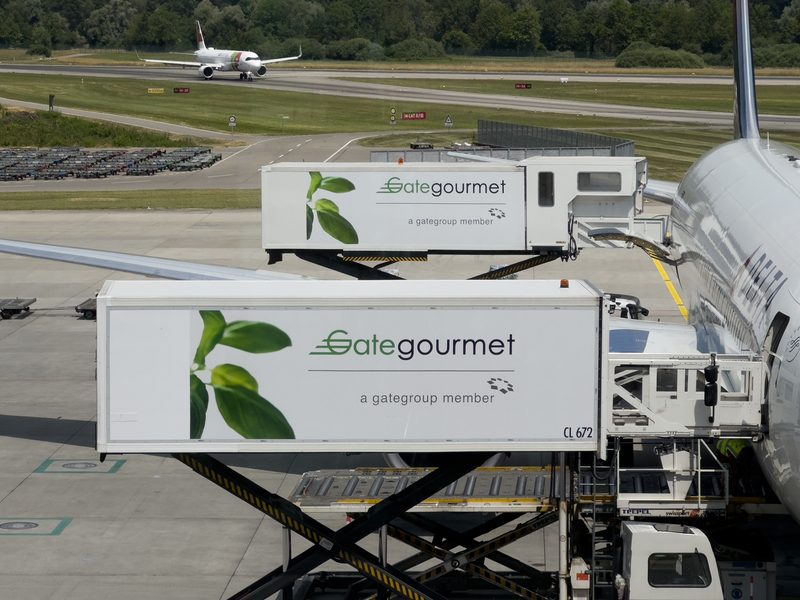
To most passengers, catering is “whatever shows up on the tray.” For an airline operations team, it’s a tightly choreographed supply chain: uplift timing, temperature control, security sealing, galley stowage, and strict rules about what can be used—and when.
Read our stories in your inbox
Two aviation newsletters. Zero fluff.
In this case, double-catering means AA is provisioning meals and service items at the U.S. origin not only for the outbound transatlantic sector to LHR, but also for the LHR–U.S. return sector that same aircraft is scheduled to operate. In effect, the “London catering” is being physically transported to London aboard the aircraft.
That only works if crews follow one golden rule: don’t consume downline items—the meals earmarked for the next flight. AA’s guidance to crews was explicit: using return-leg meals on the outbound service risks arriving into LHR with insufficient catering for the flight back, creating a much bigger disruption than a limited menu.
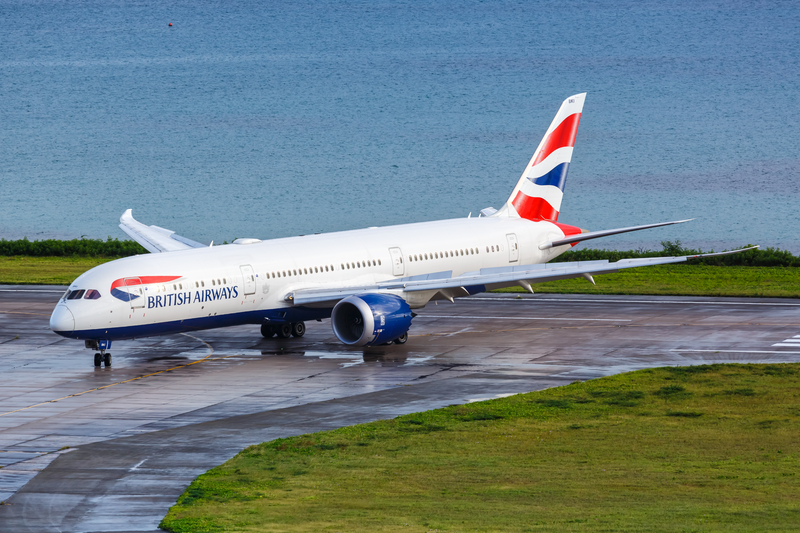
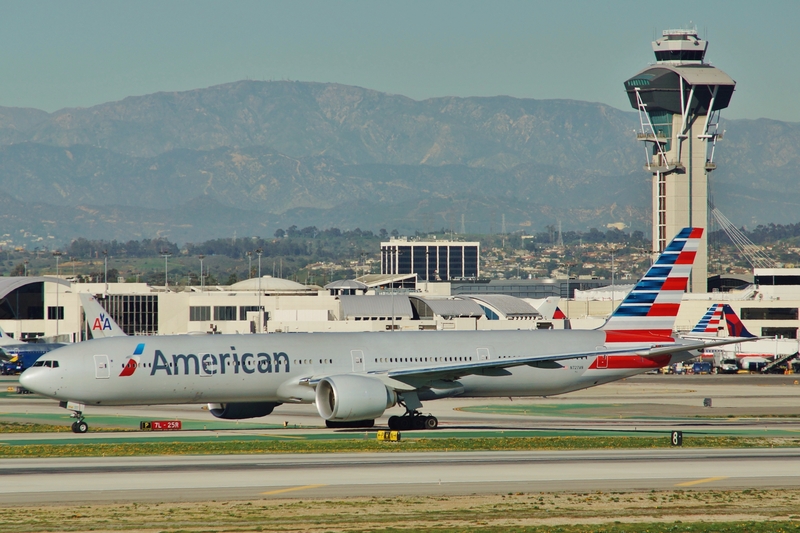
Why this matters at Heathrow (LHR), and why the impact is felt quickly
AA’s LHR operation is concentrated and high-frequency, typically running multiple daily widebody departures from Terminal 3 to U.S. gateways including New York (JFK), Philadelphia (PHL), Chicago (ORD), Dallas/Fort Worth (DFW), Miami (MIA), and Los Angeles (LAX)—with other cities rotating seasonally depending on the schedule.
When catering at a station like LHR becomes unreliable, you don’t just lose a meal choice—you risk:
-
delayed departures while galleys are reworked,
-
aircraft turns that miss their slot windows,
-
crews timing out under duty limits,
-
and misconnects that cascade across AA’s network (and partner flows) on both sides of the Atlantic.

Double-catering is essentially AA choosing the least-bad option: accept a bit more weight and a simplified menu to preserve operational continuity on some of its most important international flying.
Aircraft and galley reality: why this is a “widebody-only” type of fix
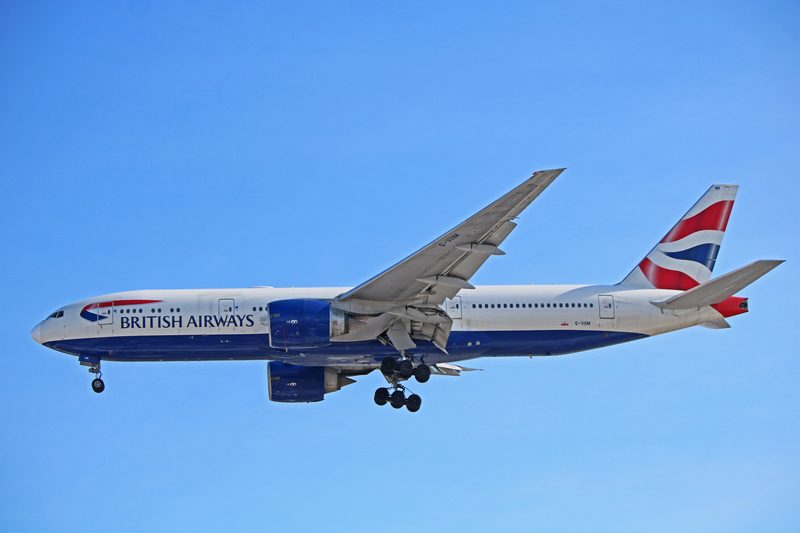
AA’s London flying is almost entirely operated by long-haul widebodies such as the Boeing 777-200ER, 777-300ER, and 787 Dreamliner family. These aircraft are built with:
-
multiple galley zones (forward and mid-cabin),
-
several convection ovens designed for cook-chill meal reheating,
-
and stowage volume sufficient to hold sealed catering carts for long missions.
That said, “just bring extra food” isn’t as easy as it sounds. Extra carts take up real galley and storage volume, and the aircraft’s load planning has to account for:
-
weight (small versus fuel, but not zero),
-
center-of-gravity impact from galley loads,
-
and cold-chain management, because meals intended for the return leg still need to remain within safe temperature and time limits before they’re reheated and served.
For long-haul catering, airlines typically rely on a cook-chill process: meals are prepared and rapidly chilled on the ground, loaded into the aircraft’s chilled storage, then reheated onboard in stages. When catering is carried over for a second sector, the food-safety discipline becomes even more important, which is why airlines tend to simplify menus during these events.
What passengers will notice: fewer choices and more substitutions
AA has warned that the onboard menu may not match what’s printed or pre-published during this period. The most visible changes are expected to be:
-
Reduced meal choice: typically a simplified set such as protein or vegetarian.
-
More substitutions, particularly affecting special-service items.
-
Removed items that are harder to manage safely under disruption conditions—reports indicate seafood and ice cream have been pulled temporarily.
The travelers most likely to feel this are those who pre-ordered meals or rely on specific dietary accommodations. Even when airlines plan well, special meals and pre-order inventory are the first things to get squeezed when the catering chain becomes uncertain.
Why AA would choose this strategy instead of canceling flights
Canceling transatlantic flying from LHR can be extraordinarily expensive. Beyond rebooking and hotel costs, each cancellation can strand aircraft and crews on the wrong side of the ocean, break carefully planned maintenance routing, and create a multi-day recovery problem—especially when widebody spares are limited.
Double-catering is a tactical “keep the machine running” move. It reduces the probability of aircraft sitting in London unable to depart for lack of catering, and it gives AA time to stabilize local supply without collapsing the schedule in the meantime.
Bottom Line
American Airlines’ temporary double-catering plan for U.S.–London Heathrow (LHR) flights is a rare but highly practical response to an apparent station-level catering disruption. By flying in enough provisions to cover the return leg from LHR, AA is prioritizing schedule integrity—at the cost of simplified menus and limited choices for passengers.
For airline professionals, the story is a reminder that catering is not a soft product afterthought. At a hub like LHR, it’s an operational dependency—and when it breaks, airlines either improvise quickly or watch delays and cancellations compound across the entire network.
Keep reading FlyMag
Get the Daily Brief in the morning or the Route Watch weekly recap on Fridays. Or both.