Qantas’ long-awaited Project Sunrise program has slipped again, pushing the airline’s first specially configured Airbus A350-1000ULR delivery into 2027 and making a 2026 launch for nonstop Sydney–London and Sydney–New York even less realistic.

That matters because Project Sunrise has never been just another fleet program. It is one of the most ambitious commercial airline projects in the world: regular nonstop flights of more than 20 hours from Australia’s east coast to Europe and the United States. Every delay therefore hits more than a schedule. It pushes back a flagship strategy.
For aviation readers, the key point is simple: Qantas still appears committed, but the program remains dependent on Airbus delivering the aircraft on time — and that still is not happening.
Read our stories in your inbox
Two aviation newsletters. Zero fluff.
The First Aircraft Is Now Expected In 2027
The latest reporting points to the first Project Sunrise aircraft arriving in early 2027, rather than by the end of 2026 as previously hoped.
That is important because Qantas was never planning to launch the routes with just one aircraft. The airline has long said it wants three A350-1000ULRs in Australia and cleared for service before beginning regular commercial operations. So even a few months’ delay to the first delivery can have a much bigger effect on the actual route launch window.
In practical terms, this pushes the first realistic commercial Sunrise flights further toward late 2027.
This Looks Like A Production Problem, Not A Qantas Retreat
The cause of the delay appears to be on the manufacturing side.
Airbus has reportedly pointed to broader supply chain issues, which fits the wider reality of the aerospace industry. Cabin components, systems suppliers, and production bottlenecks continue to complicate widebody delivery schedules even as airlines try to rebuild and grow. That means Project Sunrise is being delayed not because Qantas has changed its mind, but because the aircraft itself is arriving later than planned.
That distinction matters. It suggests the strategy is still intact even if the calendar is not.
Qantas Still Seems To Believe In The Project
Despite the delay, Qantas does not appear to be backing away.
The airline has continued to say it is working closely with Airbus on delivery and certification, and current indications suggest it still expects the fleet to build up quickly once the first aircraft arrives. In other words, the delay has not changed the underlying intent. Qantas still wants these flights, and still sees them as important to its future long-haul identity.
That is significant because a project like this can only survive repeated delays if the airline still believes the strategic payoff is worth waiting for.
The Aircraft Is Not Just Supporting The Strategy — It Is The Strategy
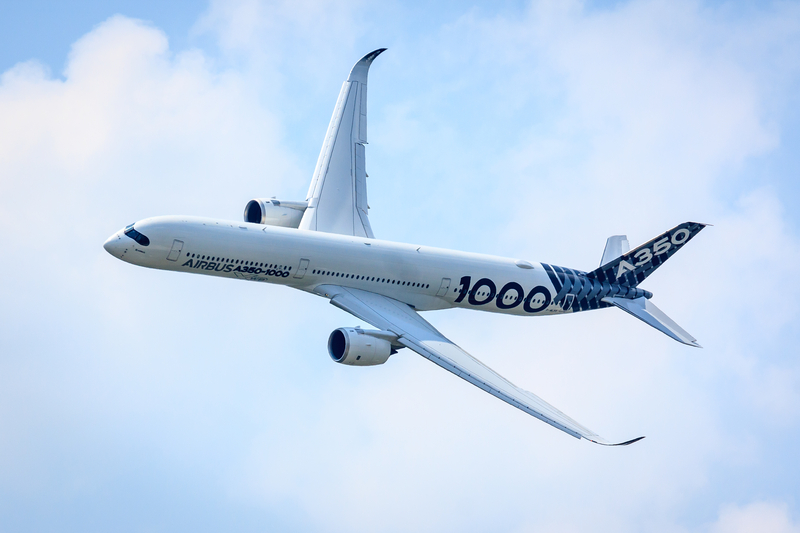
What makes every Sunrise delay so consequential is that these are not ordinary A350-1000s.
Qantas’ aircraft are being built as ultra-long-range versions with modifications tailored specifically for these missions. They will carry fewer passengers than a standard A350-1000 and are designed around the unique demands of flights that can exceed 20 hours.
That means the route plan cannot simply be shifted onto another aircraft type. These jets are not just part of the business case. They are the business case.
Without them, nonstop Sydney–London and Sydney–New York remain ideas rather than viable operations.
Project Sunrise Was Always Going To Be Hard
The latest delay is also a reminder that Sunrise is difficult because the mission itself is difficult.
Flying passengers nonstop for more than 20 hours is not simply a question of putting in more fuel. It requires changes in aircraft performance, cabin design, crew-rest planning, payload assumptions, and passenger comfort strategy. Qantas has spent years refining all of those pieces, which is why the A350-1000ULR matters so much.
This was never a routine fleet delivery. It was always one of the most demanding commercial-aircraft programs in service planning.
The Delay Changes Timing More Than It Changes Intent
That may be the most useful way to think about this.
The latest slip does not appear to mean Project Sunrise is in doubt. It means the timeline is shifting again. For Qantas, that is frustrating and commercially awkward, especially for a route plan that has already been marketed heavily and tied closely to the airline’s long-term identity. But the current evidence still points to delay rather than cancellation.
That is a meaningful difference.
Bottom Line
Qantas’ Project Sunrise is delayed again, with the first Airbus A350-1000ULR now expected in 2027 rather than late 2026. Because the airline wants at least three aircraft before launching regular services, the delay makes a late-2027 start for nonstop Sydney–London and Sydney–New York look more plausible than any earlier timeline.
The core point remains unchanged: Qantas still wants to fly these routes, but the project can only move when the aircraft designed to make them possible finally arrive.
Keep reading FlyMag
Get the Daily Brief in the morning or the Route Watch weekly recap on Fridays. Or both.