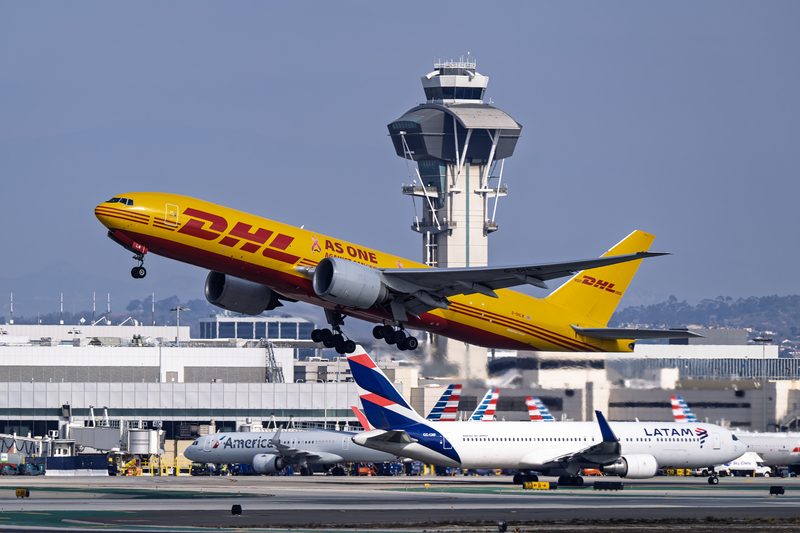
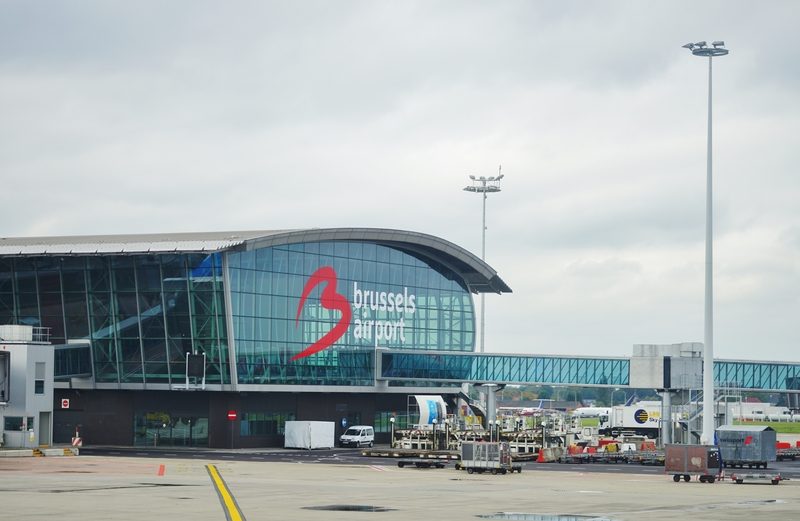
DHL Group is strengthening its life sciences logistics backbone with a dedicated transatlantic air bridge linking Brussels Airport (BRU) to Cincinnati/Northern Kentucky International Airport (CVG)—two locations that sit at the center of high-volume, time-critical healthcare supply chains.
The service is being positioned as a pharma-focused corridor built around temperature-controlled Boeing 777 freighter operations, designed to move high-value, temperature-sensitive shipments such as vaccines, medicines, and biopharmaceuticals with tighter control than belly capacity on passenger flights can typically provide. In practice, DHL’s operating pattern on the lane is near-daily (six flights per week)—a frequency level that’s meaningful in pharma logistics because it reduces dwell time, increases recovery options after disruptions, and improves the “same-week” reliability that shippers care about most.
Read our stories in your inbox
Two aviation newsletters. Zero fluff.
Why BRU–CVG Is a High-Utility Pharma Lane
For pharmaceutical logistics, the route choice is rarely about geography alone. It’s about process control end-to-end—from acceptance to build-up, from ramp exposure to last-mile handover.
-
BRU is one of Europe’s most established pharma air cargo gateways, with a deep ecosystem of certified handlers, cold chain infrastructure, and audited processes. Brussels Airport has built roughly 45,000 m² of pharma handling and temperature-controlled storage capability across the cargo zone, and the airport has long marketed itself as a specialist platform for time- and temperature-sensitive freight.
-
CVG is DHL’s primary U.S. superhub for express and a major node for healthcare distribution. For temperature-sensitive products, CVG’s value is scale: high-frequency linehaul links, rapid onward sort, and strong domestic distribution reach across the U.S.
Linking BRU and CVG directly creates a predictable “spine” lane that can carry pharma payloads reliably even when passenger belly capacity tightens or schedules shift.
The Aircraft: Why the Boeing 777F Fits Controlled Healthcare Freight
The Boeing 777 Freighter (777F) is one of the most capable long-haul cargo aircraft in service for dense, high-value freight. For pharma, the key advantages are operational:
-
Long-range performance with full payload margins, which reduces the need for fuel stops and minimizes time at risk.
-
High volume and payload capacity, allowing DHL to consolidate healthcare freight into fewer flights while keeping shipment integrity high.
-
Lower unit cost per tonne-kilometer relative to older freighters, improving the economics of running dedicated, controlled flights rather than relying on opportunistic belly space.
DHL’s emphasis on a “temperature-controlled 777” reflects an important point: the aircraft is only one piece of the cold chain. The real differentiator is how tightly the operator can manage the full exposure profile—warehouse handoffs, build-up time, ramp dwell, loading sequence, and post-arrival transfer into controlled facilities.
Cold Chain Reality: Temperature Ranges and Why “Small Deviations” Matter
Pharma logistics doesn’t reward “mostly right.” Many products are qualified to strict temperature bands, with common ranges including:
-
2–8°C (refrigerated)
-
15–25°C (controlled room temperature)
Even brief excursions can trigger quality holds, investigation, or product rejection depending on the stability profile and regulatory requirements. That’s why airlines and forwarders treat these shipments as more than “special cargo”—they’re process cargo.
Running dedicated freighters on a controlled lane allows DHL to reduce variability in:
-
timing (missed connections and re-booking risk),
-
ambient exposure on the ramp,
-
and handoffs between multiple carriers with different SOPs.
In short: fewer interfaces, fewer surprises.
Brussels’ Role: More Than a Cargo Stop—A European Healthcare Gateway
DHL’s decision to anchor the corridor at BRU reinforces Belgium’s broader strength as a global pharma exporter and as a manufacturing and distribution node for European healthcare flows. For shippers, Brussels offers a mature combination of:
-
audited cold chain infrastructure,
-
established pharma handling culture,
-
and proximity to major production and packaging clusters in Belgium and neighboring regions.
That makes BRU not just an origin point, but a consolidation gateway where shipments can be built into controlled ULDs and moved quickly into intercontinental lift.
Part of a Bigger DHL Health Logistics Push
This BRU–CVG lane also fits DHL Group’s wider healthcare strategy, which includes a €2 billion multi-year investment program aimed at expanding life sciences and healthcare logistics capacity across regions. The emphasis is clear: DHL wants more of the chain under its own control—air, ground, warehousing, and specialty handling—so it can deliver tighter service levels for products with narrow tolerance for delay or temperature deviation.
Bottom Line
DHL’s dedicated Brussels (BRU)–Cincinnati (CVG) pharma corridor—operating near-daily Boeing 777 freighter flights with temperature-controlled handling—cements BRU’s role as a premier European healthcare gateway while feeding directly into DHL’s U.S. superhub at CVG. For pharma shippers, the value isn’t simply “more capacity.” It’s more control: fewer handoffs, more consistent cold chain performance, and stronger recovery options when disruption hits—exactly what time- and temperature-sensitive cargo demands.
Keep reading FlyMag
Get the Daily Brief in the morning or the Route Watch weekly recap on Fridays. Or both.
Share this story
Composed for each network — click to share, or copy the composed text for your own timing.