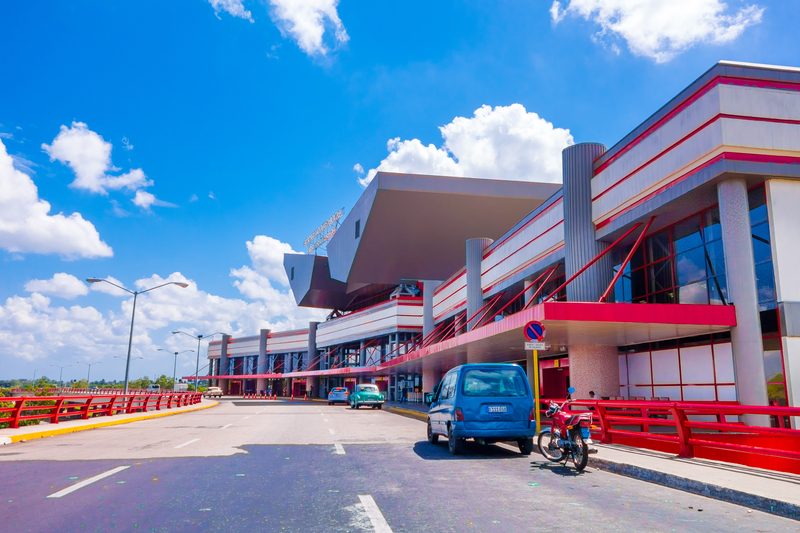
Cuba has warned international carriers that its airports will not have Jet A-1 aviation fuel available starting Monday, February 9, 2026—a disruption that could ripple across roughly 400 scheduled weekly flights serving the island.
Key Takeaways
-
Cuba says Jet A-1 won’t be available at its airports starting Feb. 9, potentially affecting international operations.
Read our stories in your inbox
Two aviation newsletters. Zero fluff.
-
Airlines may need technical refueling stops (e.g., Cancún, Punta Cana, Nassau) on return legs, adding time and complexity.
-
Schedule data cited in reporting puts Cuba at ~398 weekly scheduled flights in February, with major exposure for American, WestJet, and Copa.
What’s happening
Cuban authorities have notified airlines that aviation fuel supplies are effectively unavailable, meaning aircraft cannot reliably refuel in Cuba for outbound segments. That forces carriers to either:
-
Tank fuel in (arrive with enough fuel to depart again), often requiring payload limits, or
-
Add a short refueling stop at a nearby airport before continuing to the final destination.
Who’s most exposed
Airlines with frequent Cuba flying face the biggest operational headache—especially those running high-volume leisure routes and short-haul links where a refueling stop breaks the schedule rhythm.
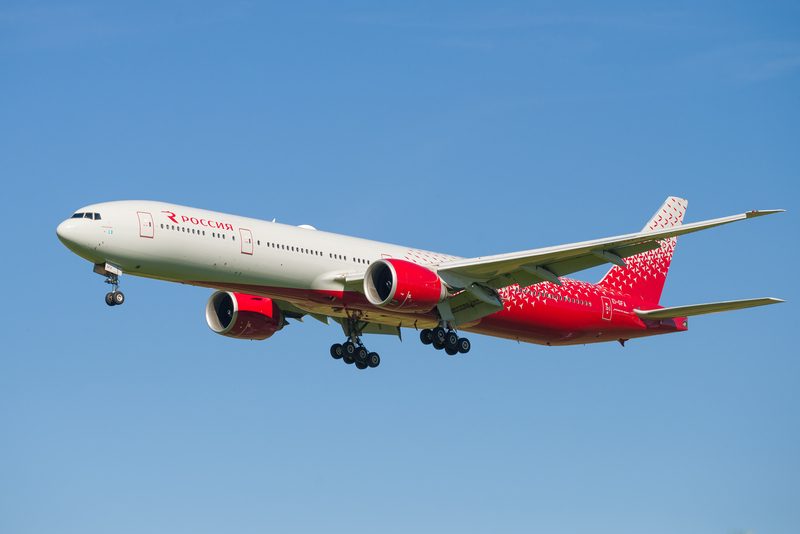
Reporting that cites schedule data highlights:
-
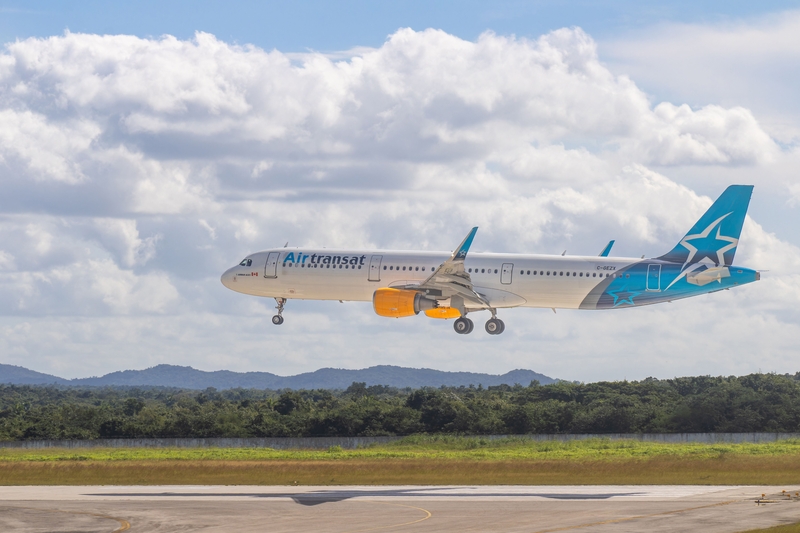
WestJet (largest weekly flight volume in the dataset cited)
-
American (including heavy service on Havana–Miami)
-
Copa (hub connectivity via Panama City)
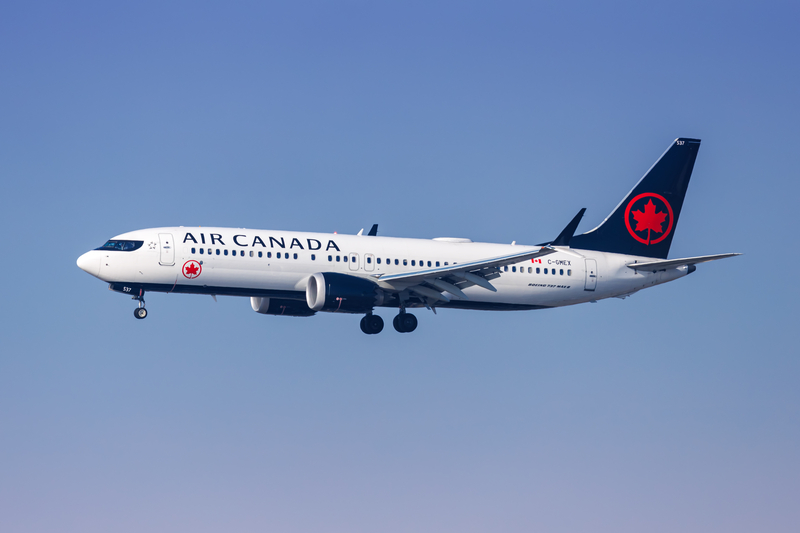
Transatlantic services (for example to Madrid) may also require adjustments if aircraft can’t uplift fuel in Cuba.
What travelers should expect
If you’re flying from Cuba (or connecting onward after arriving), the most common impacts are:
-
Longer travel times due to a fuel stop
-
Potential delays from added ground handling and slot/taxi constraints at the refueling airport
-
Higher cancellation risk if crew duty-time limits, aircraft rotations, or diversion alternates become too tight
-
Last-minute schedule changes (departure times shifted to accommodate the extra stop)
Bottom line
Even if flights still operate, no-jet-fuel conditions can turn “normal” routes into multi-leg operations, raising the chance of delays and cancellations—especially for airlines that run tight, high-frequency schedules to Cuba.
Keep reading FlyMag
Get the Daily Brief in the morning or the Route Watch weekly recap on Fridays. Or both.