Cuba’s aviation fuel crunch is no longer a “watch item” for carriers—it’s now a schedule-breaking constraint that’s forcing Canadian operators to step back in rapid succession. After Air Canada moved first, WestJet and Air Transat have now confirmed they are pausing Cuba service as the Cuban government warns that commercial jet fuel uplift can no longer be relied upon at the island’s airports.


For airline professionals, the operational logic is blunt: if an airport can’t guarantee uplift, the return leg becomes a dispatch gamble. That’s true even on relatively short sectors from Canada, because the airline still needs predictable fuel availability to protect reserves, alternates, and recovery options during irregular operations.
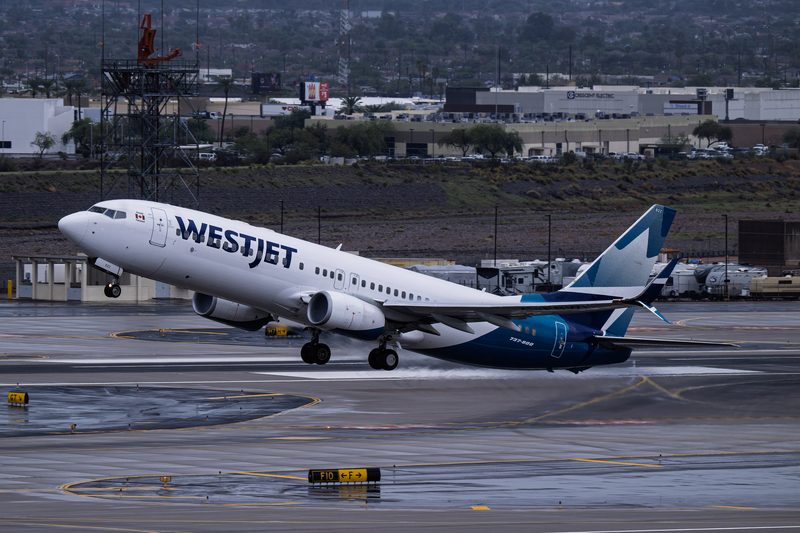
WestJet’s response: “orderly wind down” plus tankering to bring people home
WestJet says it is initiating an orderly wind down of winter operations to Cuba across the broader WestJet Group—explicitly including WestJet Vacations, Sunwing Vacations, and Vacances WestJet Québec. The immediate priority is repatriation: WestJet will operate empty southbound flights to Cuba, then uplift passengers for the northbound return.
Read our stories in your inbox
Two aviation newsletters. Zero fluff.
The operational detail that matters most is WestJet’s mitigation strategy: the aircraft will depart Canada carrying sufficient fuel to leave Cuba without relying on local supply. That’s classic tankering, and it’s the most straightforward way to reduce exposure when destination uplift is uncertain. It’s also not free:
-
Weight penalties: extra fuel reduces payload flexibility (bags, cargo, and in some cases seats if performance margins tighten).
-
Higher burn: carrying fuel costs fuel, especially on climb-out.
-
Schedule fragility: any unplanned holding or reroute can erode the buffer you just tanker-loaded in the first place.
WestJet’s advisory scope spans multiple Cuban leisure gateways, including Havana (HAV), Cienfuegos (CFG), Cayo Largo del Sur (CYO), Cayo Coco (CCC), Varadero (VRA), Holguín (HOG), and Santa Clara (SNU)—the core “sun” airports that Canadian carriers and tour operators rely on all winter.
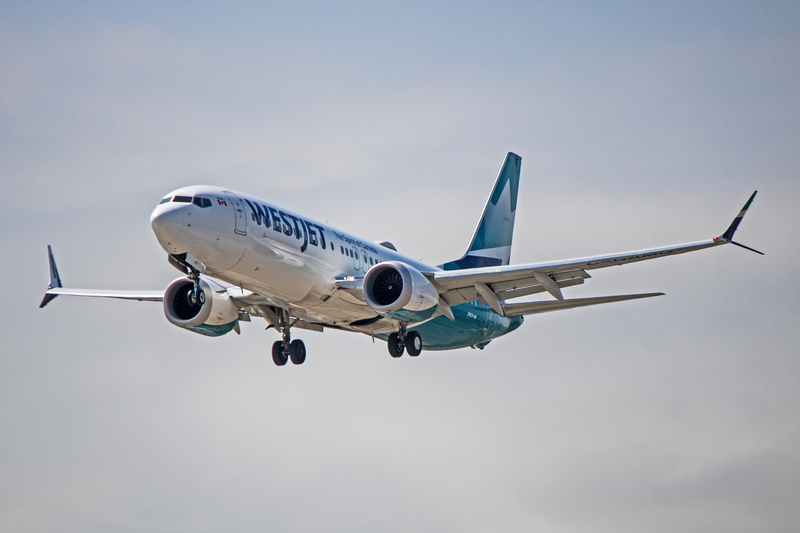
From a fleet perspective, these routes are typically within the wheelhouse of the Boeing 737 family used by WestJet and Sunwing. That helps: narrowbodies give airlines more flexibility to reposition capacity quickly, but the flip side is that high-frequency leisure rotations are built on tight utilization. Once you start inserting ferry flights and recovery legs, the entire week’s flying can unravel fast.
WestJet’s 2026 International Expansion Adds Europe, South America And More Sun Flying
Air Transat: suspension through April 30 and a structured refund process
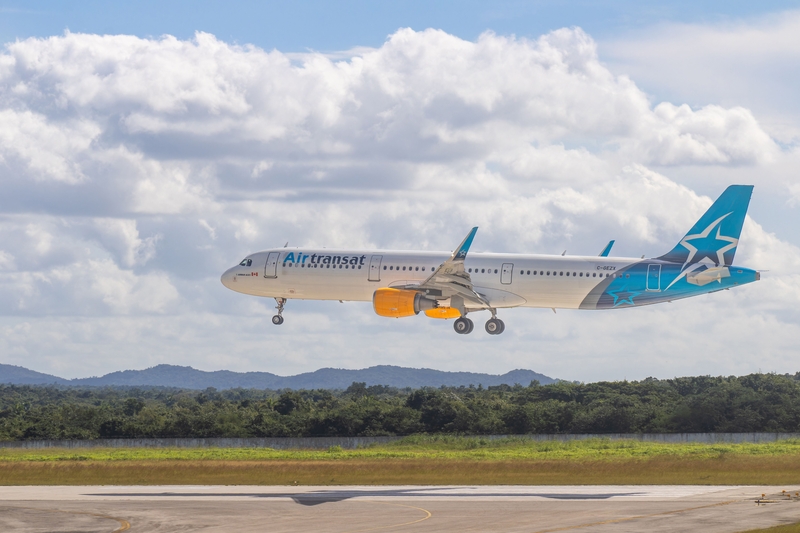
Air Transat has taken a more hard stop approach: it says it is suspending flights to Cuba through April 30, with scheduled departures from Wednesday, February 11 through April 30 being automatically canceled and refunded.
Air Transat has also outlined a structured plan to bring its customers home, including regular return flights and additional repatriation flying, with the stated goal of moving everyone back to their point of origin on an accelerated timeline. The airline has also communicated that fuel constraints in Cuba make the operation logistically complex—an important point, because repatriation isn’t simply “send airplanes.” It requires dependable sequencing at airports that may be rationing ground services alongside fuel.
Air Transat’s Cuba operation is typically supported by a mix of Airbus A321LR (a long-range narrowbody well-suited to thinner leisure markets) and Airbus A330 widebodies (useful when tour operator demand consolidates into larger departure peaks). When fuel uplift is uncertain, that fleet mix becomes a planning problem: widebodies give you volume but concentrate risk; narrowbodies provide agility but require more frequencies to move the same number of passengers.
The domino effect: Air Canada moved first, and the economics only get worse as carriers follow
Air Canada’s earlier decision to suspend Cuba flying set the tone for how airlines are weighing risk. Air Canada said it would operate empty southbound flights to retrieve roughly 3,000 passengers, and it also outlined fallback tactics like tankering extra fuel and making technical stops if needed on the return. That combination—ferry flights, tankering, and potential tech stops—is essentially the airline industry’s toolkit when destination uplift collapses.
But the economics deteriorate as more carriers act at once. As airlines pause service, passenger loads consolidate into fewer recovery flights, hotel operations in Cuba can scale back due to fuel rationing, and reaccommodation options across the market shrink. That creates a feedback loop: tighter options drive more urgency, and urgency drives airlines toward conservative decisions to prevent a larger stranded-passenger event.
Why this is happening: when “no uplift” becomes a safety and dispatch issue
Cuba’s warning that it cannot refuel international flights is operationally profound. Airlines can tolerate high fuel prices. They can tolerate congestion. They cannot tolerate an inability to fuel the aircraft—because the entire dispatch framework assumes that:
-
The airplane can legally arrive with reserves intact,
-
The operator can uplift for the next sector,
-
Alternates and contingency plans are still viable if things change.
Without predictable uplift, every flight becomes a contingency flight. And contingency flying does not scale. It consumes crews, disrupts rotations, and turns a leisure network into an irregular-ops puzzle—exactly what airlines try to avoid during the winter peak.
Bottom Line
WestJet and Air Transat are now joining Air Canada in pausing Cuba flying as the Cuban government warns that jet fuel for international operations cannot be reliably supplied. WestJet is executing an orderly wind down and using empty southbound flights plus tankering to bring passengers home from key Cuban airports including HAV, CFG, CYO, CCC, VRA, HOG, and SNU. Air Transat has suspended service through April 30, canceling departures from February 11 onward with refunds and a structured repatriation plan. The industry takeaway is clear: when destination fuel uplift becomes uncertain, airlines don’t just face delays—they face a dispatch integrity problem, and that’s the kind of risk that forces networks to shut down fast.
Keep reading FlyMag
Get the Daily Brief in the morning or the Route Watch weekly recap on Fridays. Or both.