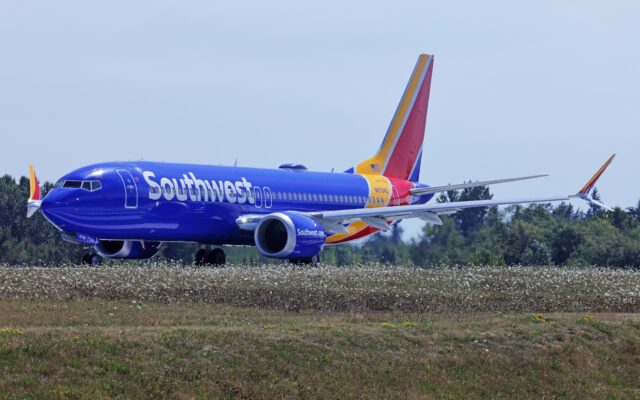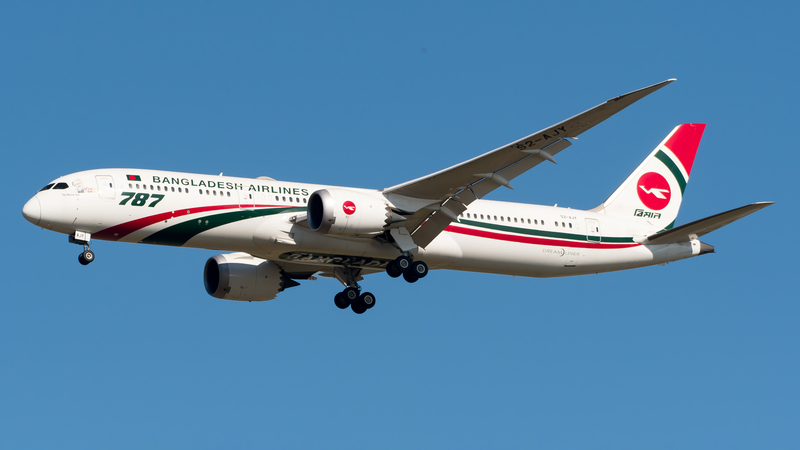
Biman Bangladesh Airlines has signed its largest aircraft order ever, committing to eight Boeing 787-10s, two Boeing 787-9s, and four Boeing 737-8s in a deal that will reshape the flag carrier’s fleet well into the next decade.
For Biman, this is more than a fleet expansion. It is a strategic reset. The order deepens the airline’s reliance on Boeing, gives it a clearer long-haul and regional growth plan, and effectively confirms that the carrier has moved away from the Airbus widebody direction it had publicly explored in recent years.
That is what makes the deal important. It is not just about 14 new aircraft. It is about where Biman now sees its future.
Read our stories in your inbox
Two aviation newsletters. Zero fluff.
The Aircraft Mix Is Deliberate
The order is not random in structure.
The eight Boeing 787-10s are intended for high-demand medium- and long-haul sectors, particularly to the Middle East, where Biman carries large volumes of labor, family, and religious traffic. The two Boeing 787-9s will support longer intercontinental flying to Europe and North America, where range and payload flexibility matter more. The four Boeing 737-8s will strengthen shorter international flying across South Asia, Southeast Asia, and parts of the Gulf.
That gives Biman a more clearly layered fleet plan than it has had before.
Instead of relying on a relatively small and mixed long-haul operation, the airline is now creating a much more defined fleet ladder: Dash 8 turboprops for domestic and short regional work, 737 MAX aircraft for regional international routes, and Dreamliners for higher-capacity and longer-haul flying.
The 787-10s Are The Most Interesting Part Of The Deal
The standout element is the 787-10 commitment.
Biman already operates Boeing 787-8s and 787-9s, so the two additional 787-9s are logical enough. But the 787-10 order is what changes the shape of the fleet. It gives the airline a larger-capacity Dreamliner variant that is particularly well suited to dense medium-haul and upper-medium-haul missions where premium demand exists, but not necessarily enough to justify a much larger twin-aisle aircraft.
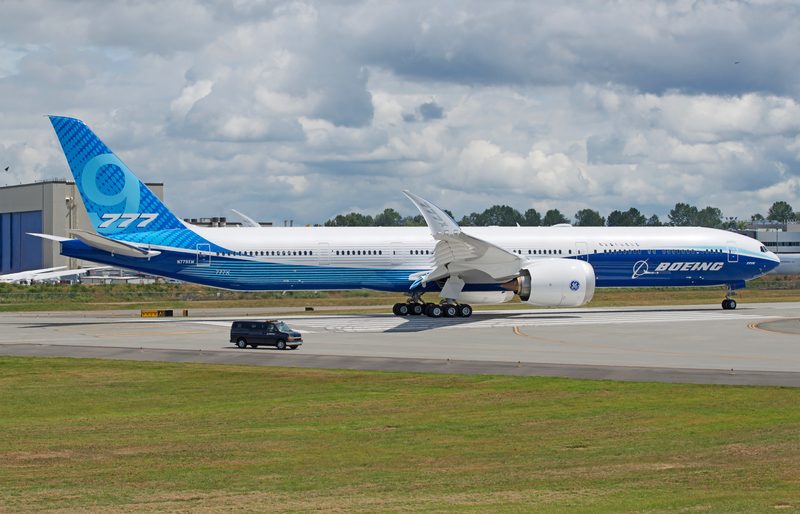
That makes the 787-10 a strong fit for Bangladesh’s high-volume Middle East markets. These are routes where seat count, efficiency, and modern passenger appeal matter more than ultra-long-haul range.
For Biman, this is a sign that growth is not just about flying farther. It is about carrying more people more efficiently on the routes that matter most commercially.
The 737-8 Order Brings The Narrowbody Fleet Into The Next Generation
The four Boeing 737-8s may not be the headline piece of the order, but they are important strategically.
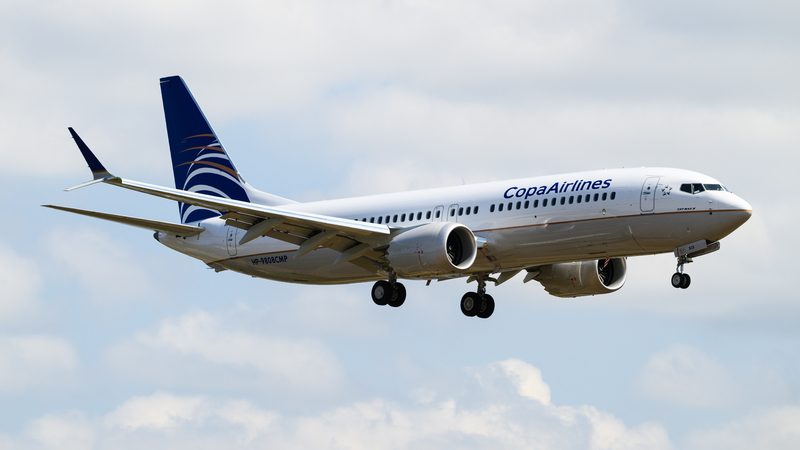
Biman already operates Boeing 737-800s, so adding the MAX preserves narrowbody commonality while modernizing a fleet segment that still matters heavily for regional and short-haul international flying. For an airline serving India, Southeast Asia, and parts of the Gulf, the 737-8 gives better efficiency, longer range, and lower unit costs than the earlier 737NG generation.
That matters because short- and medium-haul profitability often depends on exactly those margins. Modern narrowbodies are not glamorous in the way long-haul widebodies are, but they can be just as important to a carrier’s financial health.
This Order Also Locks Biman More Deeply Into Boeing
There is a broader industrial story here too.
Biman had previously announced plans in 2023 to acquire up to 10 Airbus A350s, and at the time that looked like a significant signal that the airline might diversify away from an almost all-Boeing long-haul structure. This new Boeing deal effectively changes that picture.
Rather than bringing in a new Airbus long-haul family, Biman is doubling down on Boeing widebodies and adding Boeing’s latest narrowbody generation as well. That keeps the airline far more standardized than an Airbus-Boeing split would have allowed.
For operations, that can be a strength. For Airbus, it is clearly a lost opening.
The Political And Trade Context Matters
This is not just an airline procurement story. It also sits inside a wider government-to-government and trade context.
The Boeing deal has been linked to Bangladesh’s broader trade relationship with the United States, and that is important because national flag-carrier orders are often as political as they are commercial. Aircraft purchases at this scale do not happen in a vacuum, especially when the buyer is state-owned and the seller is one of the two dominant global manufacturers.
That does not make the order commercially irrational. The aircraft choices are coherent. But it does mean the deal should be read as both an airline strategy move and a geopolitical one.
Biman’s Existing Fleet Explains Why This Makes Sense
Biman’s current fleet already points toward this order.
The airline today operates four Boeing 737-800s, four Boeing 777-300ERs, four Boeing 787-8s, two Boeing 787-9s, and five De Havilland Canada Dash 8-Q400s. In other words, the backbone is already Boeing on the jet side. Adding more Dreamliners and introducing the 737 MAX keeps the structure familiar rather than forcing the airline into a new training, maintenance, and spares ecosystem.
That is especially useful for a carrier that needs modernization but cannot afford unnecessary complexity.
The Delivery Timeline Will Matter As Much As The Order
One important detail in deals like this is that signing the order is only the beginning.
What really matters next is when the aircraft arrive and how quickly Biman can absorb them into its operation. Large orders can look impressive on announcement day, but their true value depends on delivery timing, financing structure, route planning, and the airline’s ability to use them well once they enter service.
For Biman, that means the challenge is no longer choosing a fleet direction. It is executing one.
Bottom Line
Biman Bangladesh Airlines’ order for eight Boeing 787-10s, two Boeing 787-9s, and four Boeing 737-8s is the biggest fleet commitment in the airline’s history, and it says a lot about where the carrier is headed.
The 787-10s are designed to strengthen dense Middle East flying, the 787-9s support longer-haul routes to Europe and North America, and the 737-8s modernize regional operations. Just as importantly, the deal confirms that Biman is committing more deeply to Boeing rather than following through on the Airbus A350 path it once explored.
For the airline, this is not just a big order. It is a full fleet-direction decision.
Keep reading FlyMag
Get the Daily Brief in the morning or the Route Watch weekly recap on Fridays. Or both.