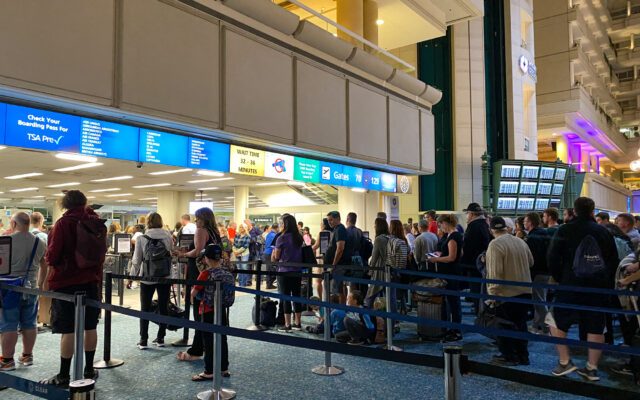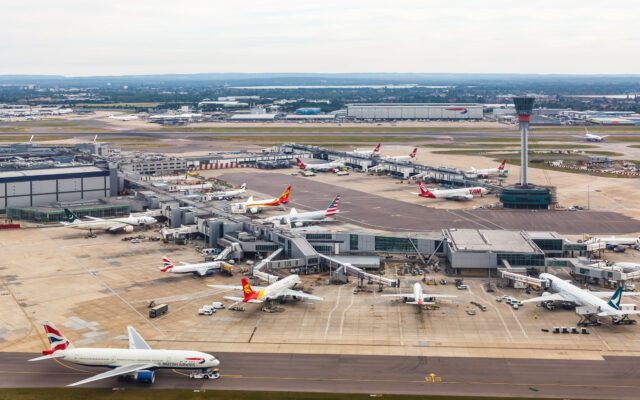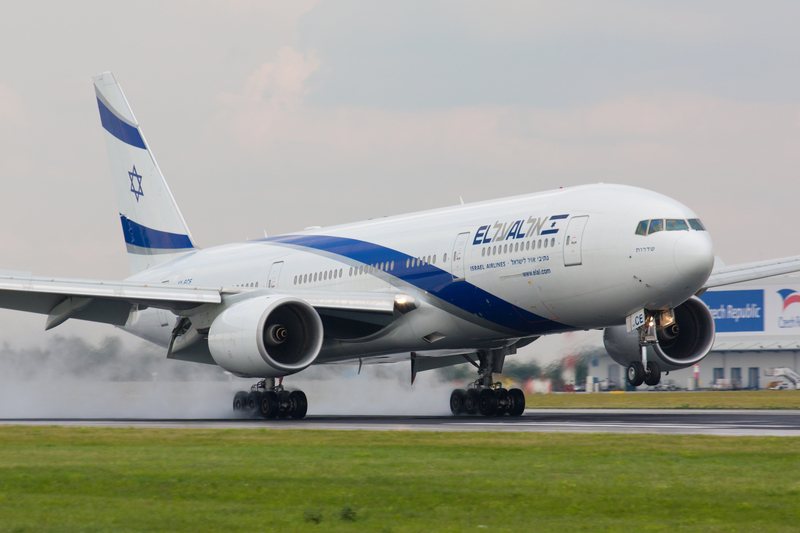
El Al is flying again at Tel Aviv Ben Gurion Airport (TLV), but this is not a normal network restart. The airport began reopening in phases in early March after Israel’s airspace was shut at the start of the U.S.-Israeli operation against Iran, and the recovery has remained tightly controlled ever since.
That distinction matters. “Reopened” can suggest a broad restoration of service, but the reality is far narrower. El Al’s current operation has been built first around bringing stranded Israelis home, then around maintaining a limited number of essential links under strict government-imposed capacity caps. In operational terms, this has been more of a managed repatriation program than a conventional commercial relaunch.
El Al’s Priority Is Still Bringing People Home
From the outset, El Al made clear that its immediate task was to return Israeli nationals stranded abroad. The airline prepared rescue and repatriation flights from more than 20 cities across Europe, the United States, and Thailand, reflecting the scale of the disruption and the breadth of the carrier’s long-haul and medium-haul reach.
Read our stories in your inbox
Two aviation newsletters. Zero fluff.
That gave the operation a very different shape from a normal schedule recovery. Instead of rebuilding route by route according to commercial demand, El Al has been allocating scarce capacity to the markets most important for repatriation, including major gateways such as New York John F. Kennedy International Airport (JFK), Los Angeles International Airport (LAX), Miami International Airport (MIA), London Heathrow Airport (LHR), Paris Charles de Gaulle Airport (CDG), Rome Fiumicino Airport (FCO), Athens International Airport (ATH), and Bangkok Suvarnabhumi Airport (BKK).
For an airline like El Al, that means the aircraft schedule is being driven as much by national necessity as by network economics. In times like this, the flag carrier role becomes very visible.
The First Movements Underlined the Nature of the Restart
One of the clearest signs that the restart was being handled in a highly controlled way was the nature of the first arriving El Al flight after the reopening window began. It was not a high-profile passenger service, but a cargo operation from Athens (ATH) using a Boeing 737-800BCF.
That is revealing. Cargo often moves first in disrupted operating environments because it can be slotted more flexibly and supports essential supply chains while passenger procedures remain constrained. In this case, the first El Al movement back into TLV reflected an aviation system reopening cautiously, with resilience and necessity taking precedence over optics.
Cargo operators also remained part of the picture. Challenge Airlines Israel received permission for cargo activity linked to New York (JFK), Oslo Gardermoen Airport (OSL), and Liège Airport (LGG), reinforcing the point that Israel’s air transport recovery has not been only about passenger flying.
Capacity Caps Still Define the Entire Market
The most important point for airline readers is that El Al’s resumed flying is taking place inside an unusually restrictive operating framework. In the initial phase, only one arriving passenger flight per hour was allowed into TLV, with the expectation that this could later be increased. Outbound flying returned more slowly and under strict passenger limits.
Those restrictions have not simply disappeared. By late March, the government had tightened the framework again, limiting TLV to one arriving flight and one departing flight per hour, with departing services capped at just 50 passengers per flight. That is an extraordinary constraint for the country’s main international gateway, and it explains why El Al has described its operation as running at only a small fraction of normal capacity.
This also means that the phrase “operations resume” needs careful handling. Yes, El Al is operating again. But no, the airline is not back to anything resembling a normal network posture.
Other Israeli Carriers Are Supporting the Same Effort
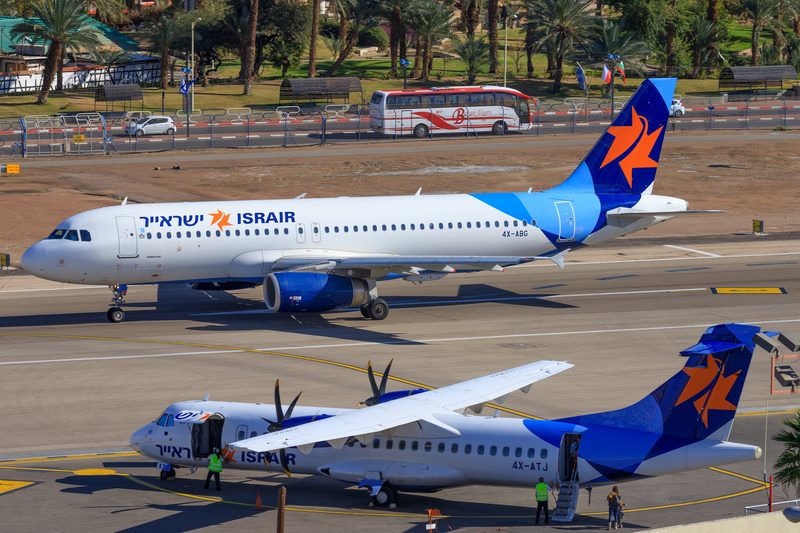
El Al has not been alone in this controlled restart. Arkia and Israir have also been involved in the repatriation effort, including flights tied to nearby gateways and border crossings that allow passengers to re-enter Israel over land when direct air access remains too limited.
That broader ecosystem matters because it shows how constrained the Israeli market has been. When border-routing solutions and heavily restricted rescue flights become central to the passenger strategy, it is a sign that the aviation system is functioning in emergency mode, even if aircraft are once again landing at TLV.
Bottom Line
El Al’s return to operations at Tel Aviv Ben Gurion Airport (TLV) is real, but it is best understood as a controlled and heavily restricted recovery rather than a full reopening.
The airline has resumed flying with repatriation at the center of the mission, cargo playing an early role, and strict movement caps continuing to shape every scheduling decision. The first El Al arrival from Athens (ATH) on a Boeing 737-800BCF captured that reality well: this was not the return of business as usual, but the start of a phased and highly managed recovery.
For aviation professionals, that is the real story. El Al is back in the air, but the Israeli market remains in contingency mode, and the pace of normalization is still being dictated more by security constraints than by airline planning.
Keep reading FlyMag
Get the Daily Brief in the morning or the Route Watch weekly recap on Fridays. Or both.