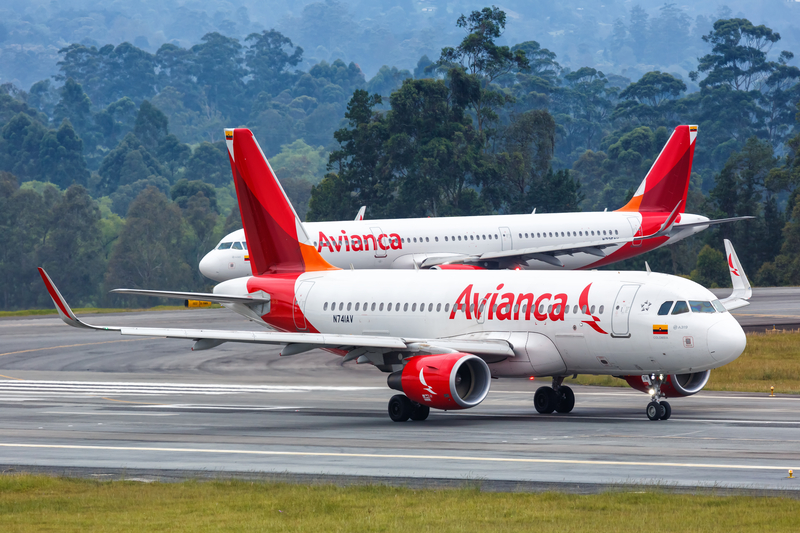
Avianca (AV) is adding a new piece of widebody hardware to its long-haul toolkit: two Airbus A330-900 aircraft are scheduled to enter the fleet in the second half of 2026, based in Colombia. The move is part of Abra Group’s wider plan to introduce seven A330-900s across its airlines—an approach that lets the group scale long-haul capacity without locking every subsidiary into the same fleet choices at the same time.

For Avianca, the A330-900 is less about “new aircraft bragging rights” and more about a practical lever: more seats per flight on key markets while keeping operating costs in check versus older-generation widebodies. It also makes Avianca the only airline in Colombia set to operate the A330-900 variant—an important distinction in a market where widebody supply has historically been concentrated among a small number of operators.
Why the A330-900neo matters: modern widebody economics with high-capacity potential
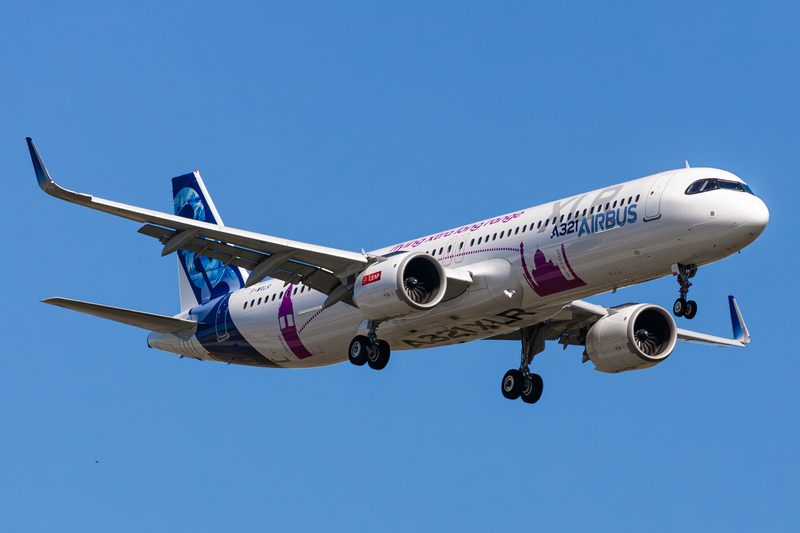
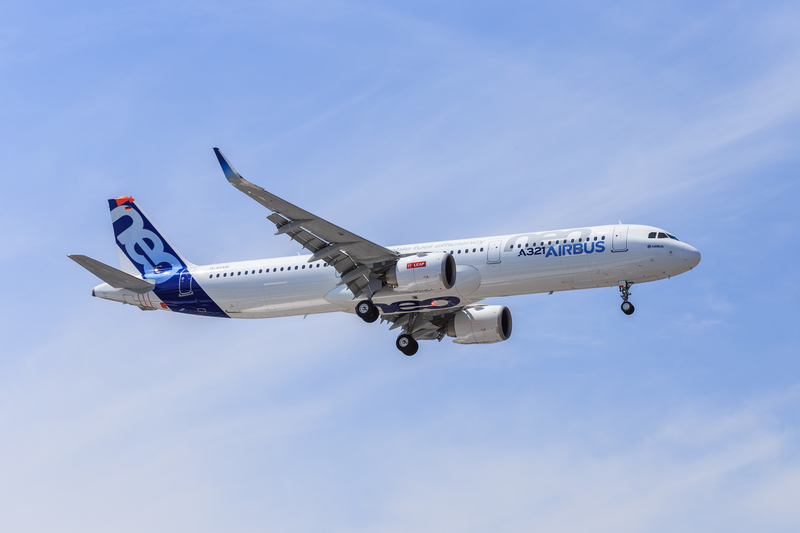
The Airbus A330-900neo (A339) is the updated-generation A330, powered by Rolls-Royce Trent 7000 engines and optimized for lower fuel burn and improved operating efficiency compared with earlier A330 variants. In airline planning terms, it sits in a sweet spot: widebody range and cargo capability, but with a trip-cost profile that can work on routes where demand is strong but not always “jumbo” strong.
Read our stories in your inbox
Two aviation newsletters. Zero fluff.
Avianca’s two A330-900s will be configured with 377 seats, including the airline’s Business Class Americas product. That seat count is unusually high for an A330-900 and signals what Avianca is trying to do: maximize capacity on high-demand corridors across the Americas—particularly on routes where frequency is constrained by slots or where demand peaks create short-lived but intense load pressure.
In other words, Avianca isn’t adding the A330-900 to nibble at the edges. It’s adding it to move a lot of passengers at once.
The network logic: Bogotá (BOG) as the launch platform for capacity growth
While Avianca hasn’t published the specific initial routes, the operational intent is clear: the aircraft will be based in Colombia, which points straight to Avianca’s hub engine at Bogotá (BOG).
BOG is uniquely suited to this kind of capacity injection for three reasons:
-
Feed strength: Avianca’s domestic and regional network can funnel passengers into BOG from across Colombia and northern South America, filling larger-gauge widebody departures more efficiently than a point-to-point model.
-
Stage length fit: The A330-900neo is at its best on medium-to-long sectors where widebody economics matter but demand isn’t always stable enough to justify the largest aircraft every day.
-
Cargo upside: Widebodies aren’t just passenger assets. Belly freight can materially support route economics on major inter-American lanes—especially time-sensitive and high-value categories.
This is also where the 377-seat layout makes strategic sense. If Avianca is targeting high-demand peaks—holiday travel banks, school breaks, major sporting and cultural events—then “more seats per departure” becomes a powerful revenue and cost lever, particularly when adding frequency isn’t the easiest option.
How this fits into Avianca’s current widebody story: 787-heavy, now with a second widebody family
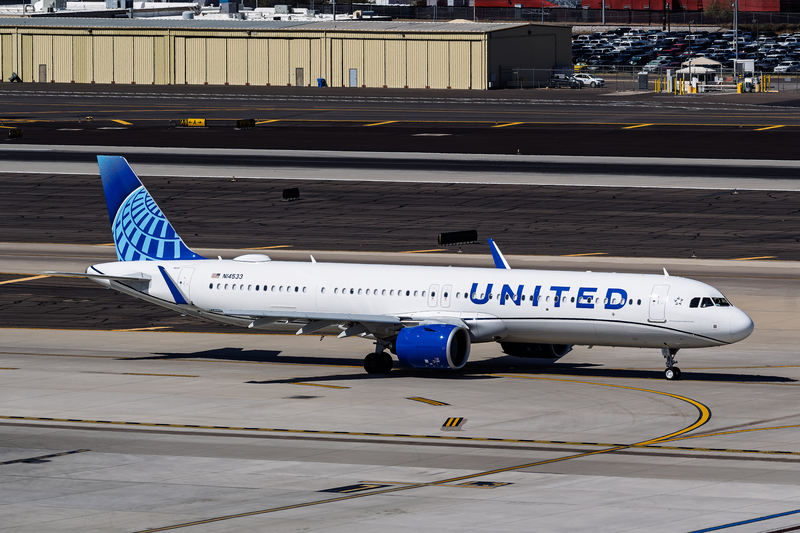
Avianca’s long-haul fleet has been anchored by the Boeing 787 Dreamliner—a type that offers excellent efficiency and range and has formed the backbone of Avianca’s longer missions from Colombia to major markets in the Americas and Europe.
Adding the A330-900 introduces a second widebody family into a fleet that has been relatively streamlined—so the decision carries real operational implications:
-
Maintenance and spares: A new widebody type requires tooling, spare parts strategy, and maintenance program development—though being part of Abra helps, since group-level planning can share vendor relationships and technical expertise.
-
Crew training: Widebody pilot and cabin crew training pipelines will need to incorporate A330 procedures, differences training, and operational standardization.
-
Fleet assignment strategy: The A330-900’s higher seat count (and likely stronger cargo capability on certain profiles) gives Avianca flexibility to upgauge routes that spike, while keeping the 787 on missions where its range and efficiency offer the best return.
In short: this isn’t a symbolic fleet addition. It’s a deliberate step toward a more flexible long-haul platform—one that can scale capacity without forcing Avianca into a one-size-fits-all widebody approach.
Abra Group’s bigger play: seven A330-900s across the Americas
The A330-900 move is also part of Abra’s broader long-haul strategy. Abra has signaled that up to five of the seven A330-900s will support widebody flying at other group airlines, while two are designated for Avianca—creating a group-wide pool of long-haul capability that can be allocated where demand, slots, and profitability line up.
This is a modern holding-company approach to fleet growth: secure aircraft access, then assign them dynamically as market realities shift. It reduces the risk of overcommitting a single airline to a fixed widebody plan while still enabling rapid capacity deployment across the region.
Why now: Colombia connectivity and a “high-density widebody” bet
Avianca’s leadership has framed the A330-900 addition as part of a long-haul growth roadmap and a commitment to strengthening Colombia’s connectivity. That message aligns with how the airline has been positioning itself commercially: expanding access across the Americas, sustaining high-frequency regional flying, and improving the product offer where it can drive revenue rather than just volume.
The 377-seat configuration suggests Avianca is making a calculated bet that there are markets—especially hub-fed, high-demand corridors—where the airline can fill a high-capacity A330-900 consistently enough to make the economics work. That’s a very specific strategy: it’s not about chasing prestige routes; it’s about putting dense lift where the network already has momentum.
Bottom Line
Avianca’s decision to add two Airbus A330-900neos in 2H 2026, based in Colombia and configured with 377 seats including Business Class Americas, is a major capacity move hidden inside a “fleet update” headline. It gives Avianca a new high-density widebody tool to strengthen connectivity from hubs like Bogotá (BOG) across the Americas, while supporting Abra Group’s broader plan to expand long-haul capability across its airlines.
For Colombia’s aviation market, it’s also a notable first: Avianca becomes the country’s only A330-900 operator—bringing a modern widebody platform into the fleet mix just as network carriers globally are rethinking how to scale long-haul flying efficiently.
Keep reading FlyMag
Get the Daily Brief in the morning or the Route Watch weekly recap on Fridays. Or both.