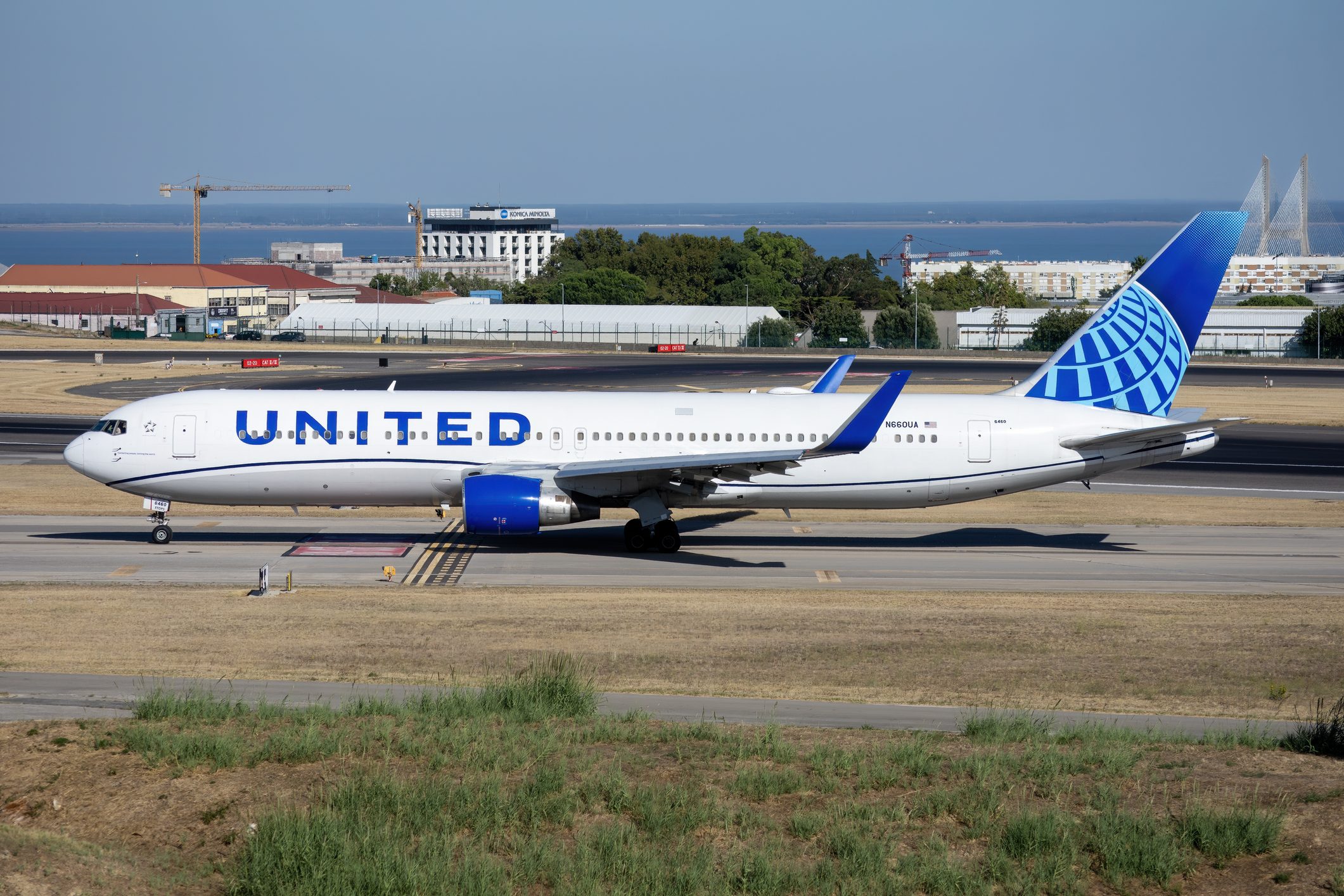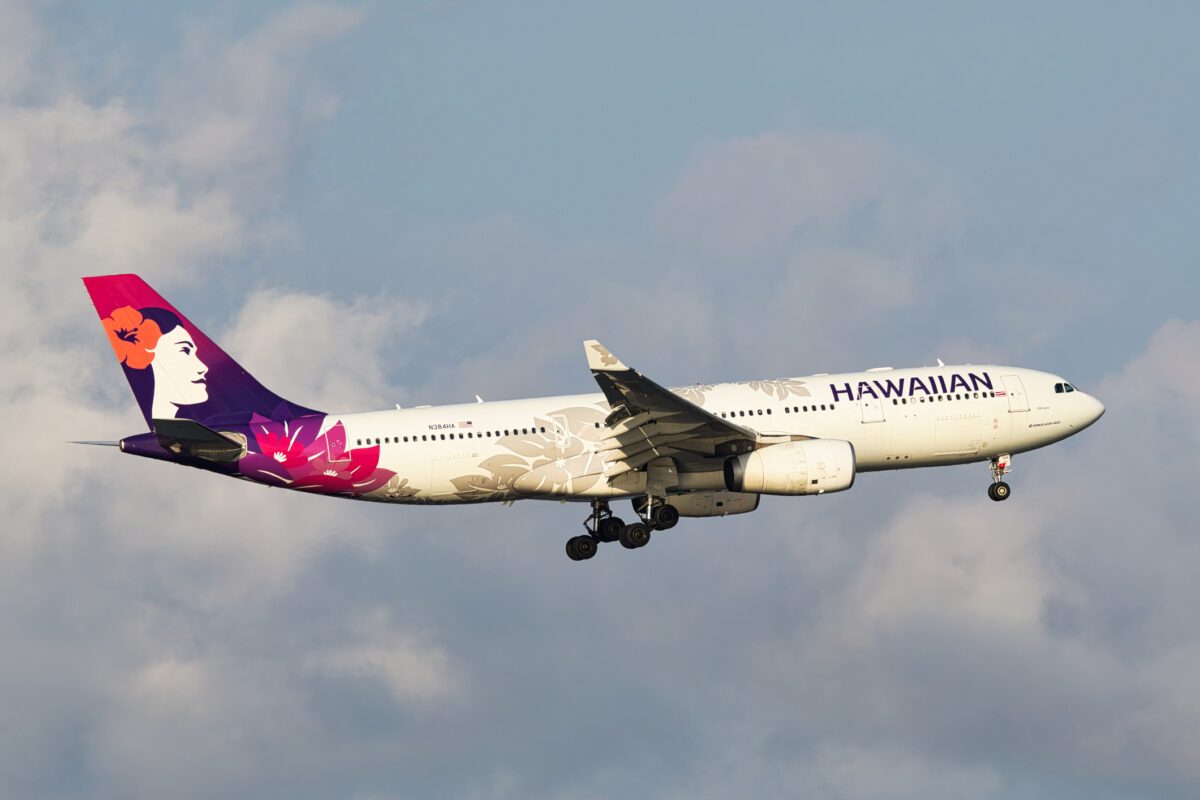
Alaska Airlines, Hawaiian Airlines and freight forwarder Compass Forwarding are being sued over more than $521,900 in alleged damage to a shipment of Japanese paintings transferred at Honolulu (HNL) during heavy rain.


Distinguished Programs Insurance Brokerage filed the action on September 3 in the Supreme Court of the State of New York, New York County. The insurer is pursuing the case as subrogee of Naga Antiques, meaning it says it compensated the Hudson, New York, art dealer and acquired the right to seek recovery from the companies allegedly responsible for the loss.
The insurer’s seven-page summons and complaint, assigned index number 161189/2026, seeks more than $521,900, interest dating from March 18, 2026, legal costs and other relief. The allegations have not yet been tested in court.
Read our stories in your inbox
Two aviation newsletters. Zero fluff.
Paintings Allegedly Soaked During the Honolulu Transfer
According to the complaint, Compass entered into a transportation contract as Naga’s agent on or about March 9. The shipment comprised 11 items described as original paintings on paper, packed in cardboard crates for carriage from Osaka Kansai (KIX) to New York JFK (JFK).
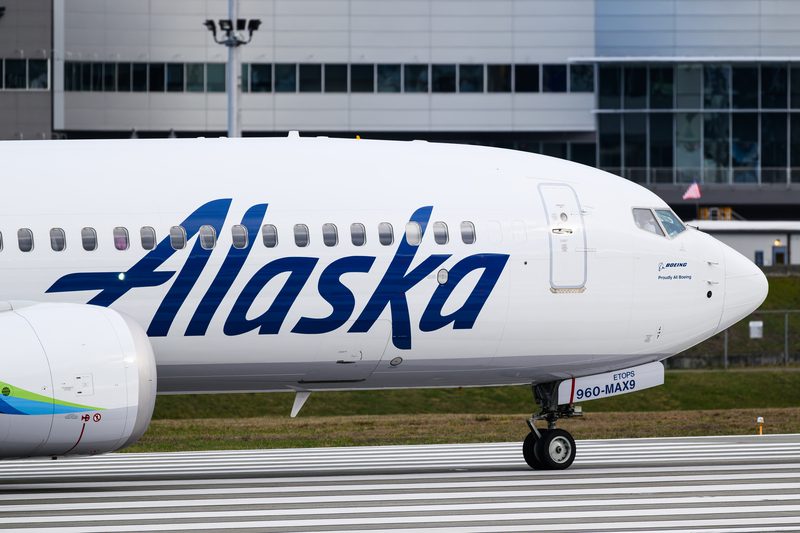
The routing required a stop at HNL. Distinguished alleges the paintings were removed from an aircraft during a heavy rainstorm without precautions sufficient to protect them from water. The crates and their contents allegedly became soaked, causing damage valued at more than $521,900.
The filing does not treat the loss as a minor handling error. It accuses the airlines of gross neglect, reckless disregard and willful misconduct, alleging personnel knew that leaving the shipment unprotected in heavy rain would probably damage the paintings.
Similar allegations are directed at Compass, which the insurer says had contractual and bailment duties to transport and protect the artwork. The complaint separates its claims into one cause of action against Alaska and Hawaiian and another against Compass, while demanding judgment against all three defendants.
The alleged loss occurred during an exceptional spell of wet weather across Hawaii. The National Weather Service’s summary of the March 10-24 severe-weather period describes back-to-back low-pressure systems, deep tropical moisture, thunderstorms and widespread heavy rain. Honolulu recorded 5.51 inches on March 13 and another 1.75 inches on March 14, both daily records.

The Alaska-Hawaiian Structure Complicates the Claim
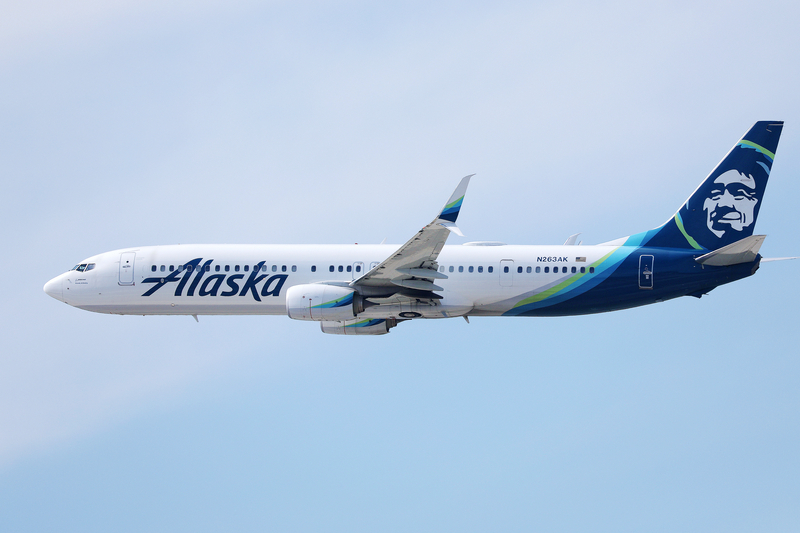
The lawsuit names Alaska Airlines and Hawaiian Airlines as separate corporate defendants, although their operations were already closely integrated by March. Alaska Air Group acquired Hawaiian Holdings in September 2024, and the Federal Aviation Administration placed the two carriers under a single Alaska operating certificate on October 29, 2025.
Hawaiian continued as a distinct customer-facing brand, but training, operating procedures, manuals, dispatch and regulatory oversight had been unified. Air Group’s 2025 annual report describes the combined Alaska and Hawaiian operation as carrying passengers and cargo across North America, Asia and the Pacific.
That structure may make the contract and handling records particularly important. The complaint says Compass contracted with Alaska, names Hawaiian alongside it and refers to the two defendants collectively as the airline. Air waybills, custody records and ground-handling documents should establish which entity accepted the crates, which operation controlled them at HNL and how responsibility was divided during the transfer.
Hawaiian’s Widebody Network Carries Belly Freight
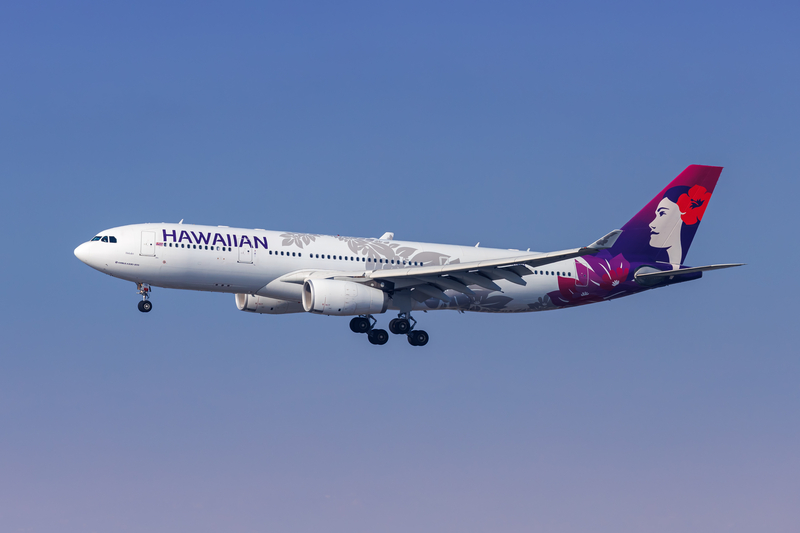
The itinerary follows Hawaiian’s established long-haul network through Honolulu. A published Hawaiian Air Cargo schedule lists the daily Osaka-Honolulu service as HA450, operated with the Airbus A330-200. The airline has also used both the A330-200 and Boeing 787-9 between Honolulu and JFK during different schedule periods.
The A330-200 is central to Hawaiian’s passenger and belly-cargo operation. Alaska Air Group’s July 2026 fleet listing shows 24 aircraft, each configured for 278 passengers: 18 in First Class, 68 in Premium Class and 192 in the main cabin. Its widebody lower deck and transpacific range make it suitable for connecting Asian cargo through HNL to continental U.S. gateways.
For artwork, however, the aircraft type is less consequential than the ground process. Freight must move between the aircraft and cargo facilities through an open ramp environment. Weather protection therefore depends on packaging, covered carts, transfer equipment, staging decisions and coordination among the carrier, ground handler and freight forwarder.
International Cargo Liability May Limit the Recovery
The amount demanded in the complaint is not necessarily the amount recoverable from the carriers. An Osaka-to-New York air shipment falls within the international cargo framework of the Montreal Convention, which standardizes carrier liability for cargo damage between participating countries.
ICAO raised the convention’s cargo limit to 26 Special Drawing Rights per kilogram from December 28, 2024. The default calculation is based on the weight of the affected package or packages rather than the commercial value of their contents.
A shipper can obtain a higher ceiling by making a special declaration of interest in delivery and paying any required supplementary charge. The treatment of the air waybill, declared value and shipment weight could therefore determine whether the insurer can pursue the paintings’ full alleged value against the airline defendants.
The complaint’s repeated references to recklessness and willful misconduct are notable. Under the text of Article 22, the misconduct exception to liability limits expressly applies to passenger delay and baggage provisions in paragraphs one and two. It does not expressly extend to the cargo ceiling in paragraph three, making the shipment’s declared-interest terms potentially more significant than the language used to characterize the ramp handling.
Bottom Line
The case puts a high-value claim against an everyday weak point in widebody cargo operations: the movement between a protected aircraft hold and an airport cargo building. HNL’s role as Alaska Air Group’s central Pacific connecting point means international freight routinely changes aircraft there, and even a short period of exposure can become consequential when paper artwork is packed in water-vulnerable outer containers.
For Alaska and Hawaiian, the dispute will test how contractual responsibility follows operational integration. A single certificate may simplify flying, but cargo claims still depend on the air waybill, corporate relationships, station procedures and the point at which custody passed among the airline, its handlers and the forwarder.
The decisive evidence is likely to be operational rather than rhetorical: handling scans, ramp timelines, weather records, employee procedures, photographs of the crates and any special declaration of value. The outcome will also be watched by specialist forwarders and insurers because it may reinforce how sharply the Montreal Convention can separate an artwork’s market value from an airline’s weight-based exposure.
Keep reading FlyMag
Get the Daily Brief in the morning or the Route Watch weekly recap on Fridays. Or both.