Air New Zealand has finally moved Skynest from concept to commerce.

The airline says bookings for its long-awaited lie-flat sleep pods will open on May 18, with the product entering service from November 2026. The debut will come on select ultra-long-haul flights between Auckland Airport (AKL) and New York John F. Kennedy International Airport (JFK), operated by the carrier’s new Boeing 787-9 Dreamliner aircraft.
That matters because Skynest is no longer just a cabin innovation that photographs well at trade events. It is now a live ancillary product with a defined route, price point and operating structure. For Air New Zealand, that makes this less of a marketing stunt and more of a serious experiment in how to sell rest to passengers who are not sitting in Business Premier.
Read our stories in your inbox
Two aviation newsletters. Zero fluff.
Air New Zealand is positioning Skynest as a world first for Economy and Premium Economy travellers, and the product is certainly different from the usual “extra comfort” upsell. Rather than selling a bigger seat, the airline is selling time. Six lie-flat pods sit between the Economy and Premium Economy cabins, and passengers who have already bought an Economy or Premium Economy seat can add a four-hour session in the Skynest for an additional charge.
This is not a sixth cabin. It is a timed sleep product.
That distinction is the key to understanding what Air New Zealand is doing.
Skynest is not designed to replace a seat or create a mini-Business Class inside the back of the aircraft. It is a shared rest space built into the cabin architecture of the Boeing 787-9. Initially, Air New Zealand plans to offer two four-hour sessions per flight, which means up to 12 customers can use the six pods on a single AKL–JFK or JFK–AKL rotation. Fresh bedding is changed between sessions, and the operating pattern is built around meal services so the rest periods do not clash with the main cabin flow.
From an airline planning perspective, that is clever. It allows Air New Zealand to monetize lie-flat rest without giving up the amount of floor space that a larger premium cabin would require. Instead of turning more of the 787-9 into permanently dedicated beds, the airline is effectively time-sharing a small sleep zone across multiple passengers on one of the longest routes in its network.
That makes Skynest commercially more interesting than it first appears. The airline is not just improving comfort. It is testing whether a meaningful number of long-haul Economy and Premium Economy customers will pay extra for horizontal sleep, even when that sleep is temporary rather than all-flight.
The design is practical, not theatrical
Air New Zealand has spent years talking about Skynest, but the final product is noticeably grounded in operational reality.
Each pod is about 203 centimeters long, with a shoulder width of about 64 centimeters that tapers toward the feet. The setup includes a full-length mattress, pillow, sheets, blanket, privacy curtain, ambient lighting, ventilation, USB-A and USB-C charging, a reading light, a crew call button and an in-pod seatbelt. Passengers also receive what the airline calls a “Nestcessities” kit with an eye mask, ear plugs, socks, toothbrush, toothpaste and Aotea skincare.
Those details matter because Skynest is clearly being sold as real sleep space, not lounge space. But Air New Zealand has also been careful not to oversell it as something it is not.
There is no in-pod inflight entertainment system. Water is allowed, but snacks are not. Passengers are limited to one session per flight. Each pod is for solo use only. And because access can involve bending, kneeling, crawling or climbing, the product is only open to passengers aged 15 and over who can get in and out unassisted. The bottom pods are naturally easier to access than the top tier.
That combination of features tells you a lot about how the airline sees the product. Skynest is meant to be quiet, private and functional. It is not being positioned as a social space, a family space or a premium suite. It is a rest module.
Why AKL–JFK is the right proving ground
If Air New Zealand was going to commercialize something like this anywhere, Auckland (AKL) to New York (JFK) was always the logical place to start.
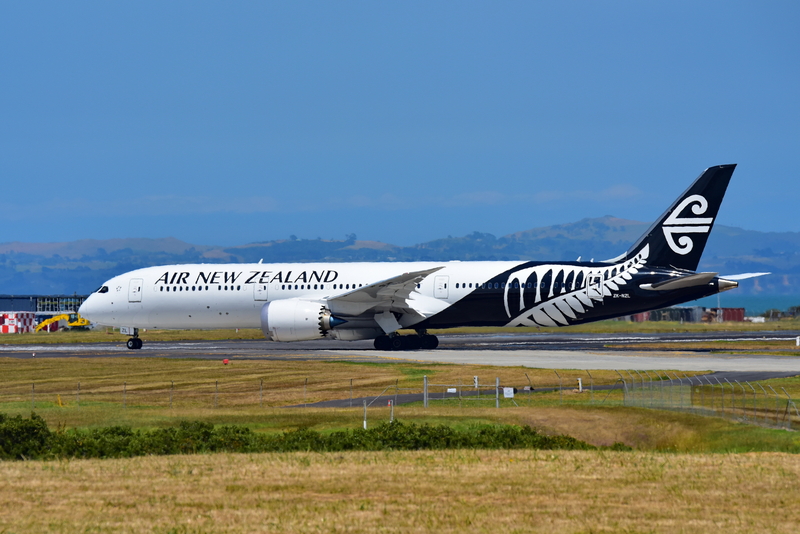
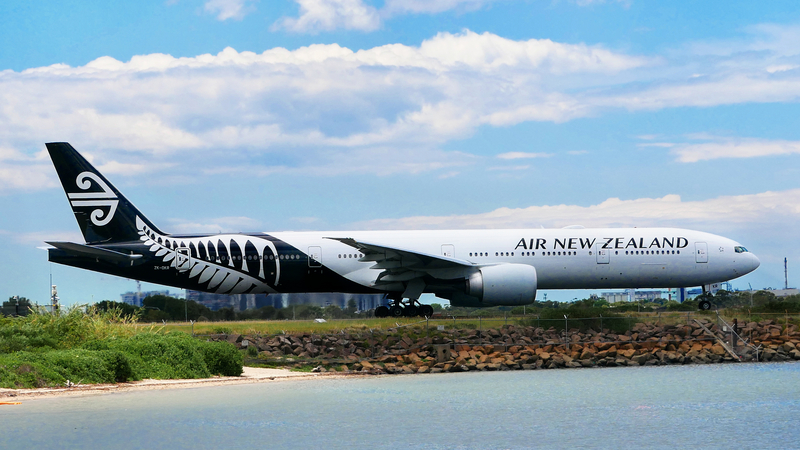
New Zealand’s geography forces the airline to think harder than most about fatigue, comfort and time-in-seat. Ultra-long-haul flying is not a niche proposition for Air New Zealand. It is part of the airline’s identity. That makes the Boeing 787-9 especially important. The aircraft is the backbone of Air New Zealand’s long-haul strategy, and Skynest is being built directly into the newest 787-9 variant rather than bolted on as an afterthought.
That is an important detail for airline professionals. Air New Zealand is not treating Skynest as a one-off novelty. It is integrating it into the aircraft type that already underpins much of its long-haul growth strategy.
Launching on AKL–JFK also makes sense because the route is exactly the kind of mission where traditional Economy comfort enhancements start to show their limits. More recline helps, but only so much. Extra legroom helps, but only so much. Skycouch helps, but it is still a converted row of seats. Skynest goes after a different promise altogether: a proper lie-flat break in the middle of a very long journey.
That does not mean every passenger will want it. But it gives Air New Zealand something that very few airlines can currently offer in the back of the aircraft: a credible sleep proposition that sits between standard seating and full premium-cabin pricing.
What this says about Air New Zealand’s broader cabin strategy
Skynest also fits neatly into the airline’s wider Boeing 787-9 cabin rethink.
Air New Zealand has spent the past few years rebuilding its long-haul proposition around more product choice rather than a simple cabin hierarchy. Business Premier has been refreshed, Premium Economy has been upgraded, Economy has gained more differentiated comfort options, and now Skynest becomes the most radical extension of that strategy.
The common thread is choice. Not every passenger wants to pay for a flat bed for the whole journey. But some clearly will pay for four hours of one. That is the market Air New Zealand is targeting.
And that may be the most important point of all. Skynest is not aimed at replacing Business Premier demand. It is aimed at capturing spend that previously had nowhere to go. For a carrier operating some of the world’s most demanding passenger missions to and from AKL, that is a smart place to look for incremental revenue.
Bottom Line
Air New Zealand’s Skynest is significant not because it is unusual, but because it is finally real.
Bookings open on May 18. Service starts from November 2026. The first route is Auckland Airport (AKL) to New York John F. Kennedy International Airport (JFK). The aircraft is the airline’s new Boeing 787-9 Dreamliner. And the commercial model is now clear: six lie-flat pods, sold in four-hour blocks, as an add-on for Economy and Premium Economy passengers.
For the industry, that makes Skynest more than a cabin curiosity. It is a serious test of whether airlines can create a new middle ground between a seat and a bed. If it works on AKL–JFK, Air New Zealand will not just have launched a world first. It may have created a new long-haul revenue category.
Keep reading FlyMag
Get the Daily Brief in the morning or the Route Watch weekly recap on Fridays. Or both.