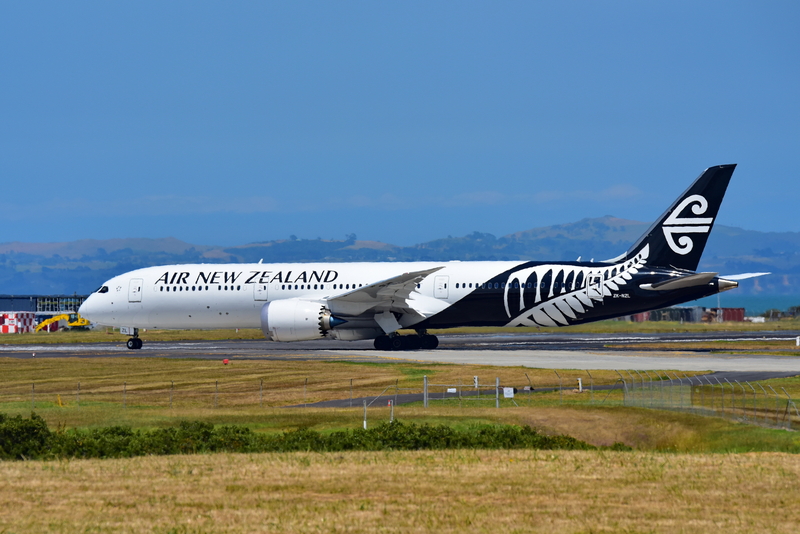
Air New Zealand now expects all of its grounded Boeing 787-9s to be back in service by late June 2026, a significant milestone for an airline that has spent the last two years managing one of the most painful fleet-availability crises in the industry.

That is the good news.
The less comfortable reality is that the airline’s Airbus narrowbody constraints are expected to continue until 2027, which means the recovery will be uneven. Widebody flexibility is coming back first. Narrowbody flexibility will take longer.
Read our stories in your inbox
Two aviation newsletters. Zero fluff.
For aviation readers, that is the key point. This is not the end of Air New Zealand’s fleet problems. It is the beginning of the end of the worst part of them.
The 787 Recovery Matters Most For Network Stability
Getting all grounded Boeing 787-9s back by late June is a major operational step.
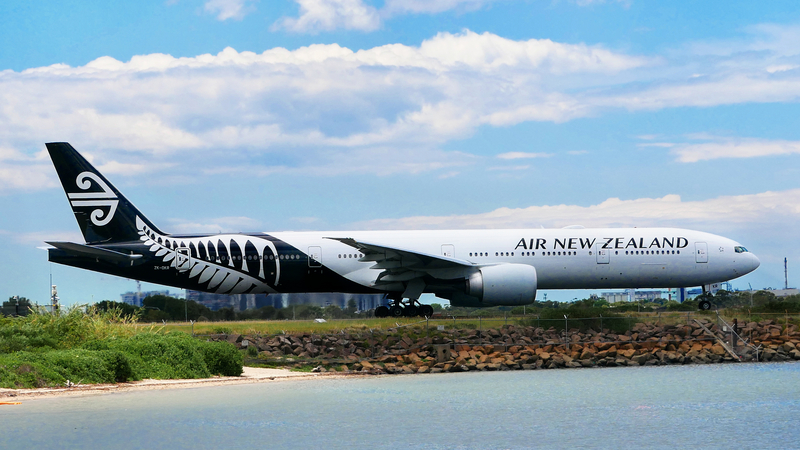
That matters because the Dreamliner sits at the center of Air New Zealand’s long-haul system. When multiple 787s are unavailable, the airline is forced into a constant tradeoff between schedule reliability, leased-aircraft coverage, reduced frequencies, and weaker network flexibility. Restoring those aircraft gives the carrier back something it has badly lacked: choice.
It means the long-haul network can be planned with more confidence rather than constantly patched around absences.
Not Every Inactive 787 Was Grounded For The Same Reason
One important nuance is that not all inactive 787s have been out for the same cause.
Some aircraft have been unavailable because of the long-running Rolls-Royce Trent 1000 engine issue, while others have been tied up in the airline’s cabin refurbishment program. That matters because it changes how the recovery should be interpreted. The improvement is not only about engine returns. It is also about getting aircraft back from planned upgrade activity.
In practical terms, though, passengers and schedulers experience both the same way: as missing airplanes.
The Airbus Side Is Still The Harder Part
While the 787 picture is improving, the Airbus narrowbody problem remains more drawn out.
Air New Zealand now expects all affected Airbus aircraft to be back by 2027, which means the airline will still have to manage through reduced short-haul flexibility for some time. That is significant because narrowbody availability affects domestic, Tasman, and Pacific Islands flying — the parts of the network where schedule consistency and aircraft rotation discipline matter every day.
In other words, the airline’s recovery is happening in the long-haul fleet first, not across the whole business at once.
Wet Leases And Spare Engines Are Still Part Of The Plan
Air New Zealand has been explicit that it will continue using leased aircraft and leased engines in the meantime.
That is an important reminder that the airline is not yet back to normal. Leasing extra lift and engine support has become part of the operating model while the in-house fleet remains constrained. Those solutions help preserve the schedule, but they come at a cost, and the airline has already acknowledged that it will keep bearing those extra costs until the fleet picture fully stabilizes.
So even with the 787 recovery in sight, the financial drag does not disappear overnight.
Flexibility Is The Real Prize
The real value of getting these aircraft back is not just the aircraft themselves. It is what they restore: flexibility.
Airlines can absorb a lot when they have spare margin in the fleet. They struggle much more when every disruption turns into a schedule problem because there is no backup capacity left. Air New Zealand has been operating far too close to that line for too long. Every additional aircraft returned to service gives the airline more room to recover from maintenance, weather, crew, or operational disruptions without the same cascading effects.
That is what will matter most by the second half of 2026.
The Crisis Has Been Bigger Than The Headline Count
Current fleet data show that multiple aircraft remain inactive across both the 787 and A321neo families. But the real impact has always been bigger than the raw count suggests.
When a fleet is already tight, losing a handful of aircraft can force schedule cuts, route adjustments, wet leases, and reduced resilience across the whole network. That is why this issue has weighed so heavily on Air New Zealand’s performance and planning. It was never just about parked jets. It was about how much less optionality the airline had everywhere else.
Bottom Line
Air New Zealand now expects all of its grounded Boeing 787-9s to be back by late June 2026, which is a major step toward restoring long-haul stability. But the airline’s Airbus narrowbody challenges will continue until 2027, meaning the fleet crisis will ease in stages rather than end all at once.
The most important takeaway is simple: the worst of the Dreamliner shortage may finally be ending, but Air New Zealand is still not fully out of the woods.
Keep reading FlyMag
Get the Daily Brief in the morning or the Route Watch weekly recap on Fridays. Or both.