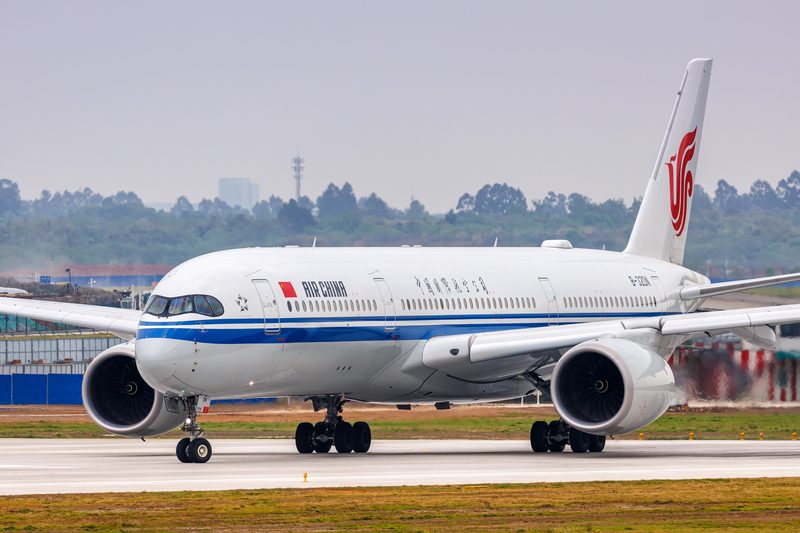
Air China Cargo has increased its commitment to the Airbus A350F, raising its total order from six aircraft to ten and giving Airbus a more significant foothold in one of the world’s most strategically important cargo markets.

The move matters for two reasons. First, Air China Cargo was already the first mainland Chinese airline to order the A350F. Second, turning the remaining options into firm aircraft sends a stronger signal that the carrier sees the type as a real long-term fleet pillar rather than just an exploratory purchase.
For aviation readers, this is not just another order top-up. It is one of the clearest signs yet that the A350F is gaining meaningful traction where Boeing has historically been strongest.
Read our stories in your inbox
Two aviation newsletters. Zero fluff.
The Order Has Grown From Six To Ten
The latest agreement adds four more A350Fs to the original commitment Air China Cargo made in November 2025.
That matters because this was not a surprise bolt-on out of nowhere. The original structure already pointed toward a possible ten-aircraft fleet through a mix of firm orders and options. What has happened now is that the airline has decided to remove some of the uncertainty and turn that broader intention into a firmer long-term plan.
That is a more meaningful endorsement than the original deal alone.
This Is A Strategic Win For Airbus
The cargo market has long been one of Boeing’s strongest aircraft segments.
That is why every meaningful A350F order matters to Airbus more than an ordinary widebody sale might. The A350F is the manufacturer’s most serious attempt yet to challenge Boeing in the purpose-built large-freighter market, and doing so in mainland China carries extra weight. China is not just another geography. It is one of the most important freight growth markets in the world, especially for e-commerce, manufacturing exports, and long-haul logistics flows.
So while ten aircraft is not an industry-dominating number on its own, the location of the customer matters enormously.
Air China Cargo Is Clearly Thinking Long Term
The fleet logic behind the order is straightforward.
Air China Cargo already operates a mixed freighter fleet that includes Boeing 747-400Fs, Boeing 777Fs, and Airbus A330 converted freighters. That gives the airline lift today, but it also means part of the fleet is aging and increasingly expensive to maintain and operate over time. The A350F offers a path toward modernization with a lower-emissions, more efficient long-haul platform.
That matters because cargo airlines rarely make these decisions only for next year’s demand. They make them for the next decade.
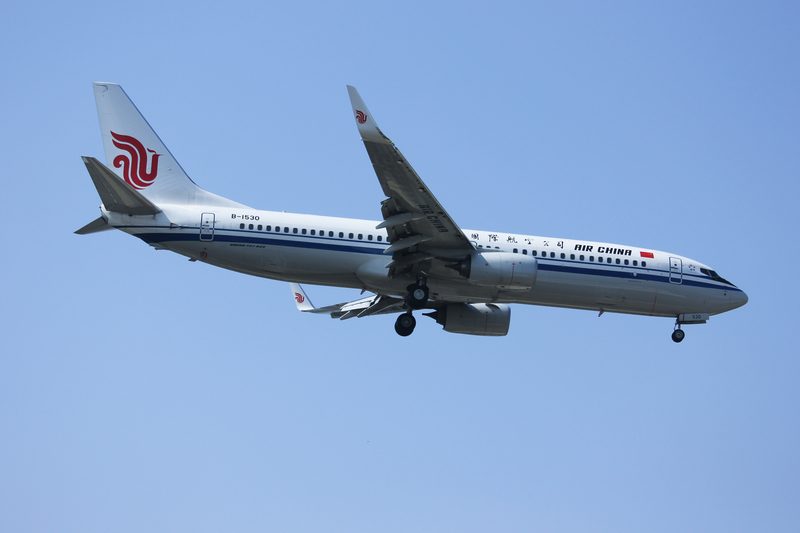
Air China’s Beijing-Pyongyang Return Reopens One Of Asia’s Most Unusual Air Corridors
The A350F’s Pitch Fits Exactly What Airlines Want To Hear
Airbus has built the A350F sales case around a few very specific points:
- lower fuel burn
- lower emissions
- strong payload and range
- compliance with stricter future emissions rules
- modern Rolls-Royce engines
- long-term sustainability alignment
Those are exactly the kinds of arguments that matter now in cargo fleet planning. Freighter operators are increasingly under pressure to modernize aging four-engine fleets while also controlling operating costs and preparing for tougher environmental rules. A new-generation twin-engine freighter naturally fits that need.
That is one reason the A350F is becoming more relevant.
This Also Strengthens Confidence In The Program
One broader takeaway from the Air China Cargo expansion is program credibility.
A freighter aircraft still awaiting entry into service always faces a credibility question: will enough customers commit early enough to prove the platform is viable? Every repeat or expanded order helps answer that. Air China Cargo’s move from six to ten aircraft gives Airbus a stronger talking point with every other cargo airline still deciding how to replace older fleets over the next decade.
That matters because aircraft programs are not sold one by one. Confidence compounds.
Deliveries Are Still Several Years Away
The A350F is not arriving tomorrow.
The current expectation remains that deliveries will begin closer to the end of the decade, with earlier planning pointing toward the 2029–2031 period for Air China Cargo’s aircraft. That means this is still a forward-looking fleet decision rather than an immediate network change.
But that does not reduce its importance. In widebody cargo planning, airlines often commit many years before the aircraft arrives. The delivery gap is normal. The strategic commitment is what matters now.
China’s Cargo Sector Remains Too Important To Ignore
The order also underlines a simple industry fact: no one can ignore China in freight.
Even when global air cargo demand softens in some periods, Chinese manufacturing, export flows, and cross-border e-commerce keep the market central to long-term freight planning. Airlines that expect to remain major cargo players in Asia need aircraft that can serve that growth efficiently.
That is why Air China Cargo’s decision carries more weight than a generic fleet modernization order might otherwise suggest.
Bottom Line
Air China Cargo’s decision to raise its Airbus A350F commitment from six to ten aircraft is a meaningful endorsement of both the aircraft and Airbus’ broader ambitions in the freighter market. It strengthens the manufacturer’s position in mainland China, gives the A350F program more credibility, and confirms that Air China Cargo sees the aircraft as a central part of its future long-haul cargo fleet.
For Airbus, this is exactly the kind of order expansion that helps a new freighter program feel less theoretical and more inevitable.