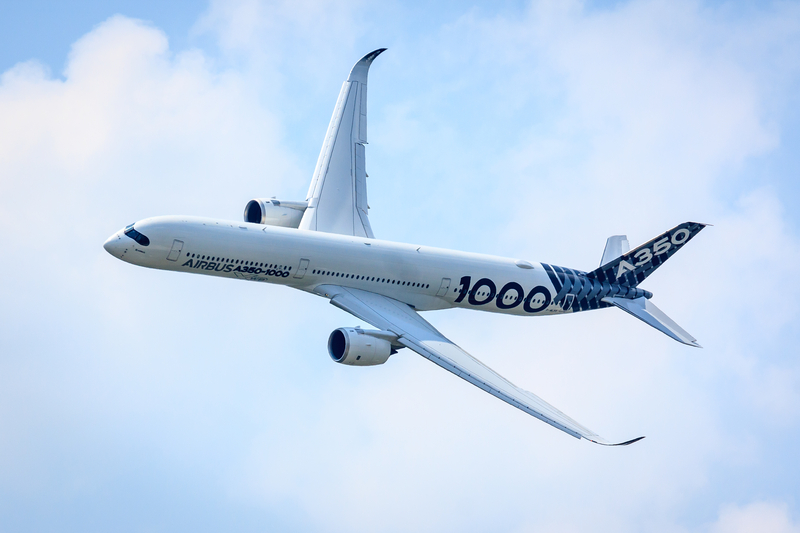
Air Canada has confirmed a firm order for eight Airbus A350-1000s, a move that quietly says a lot about where the carrier sees its long-haul network heading in the next decade. The deal had been sitting in Airbus’ backlog as an undisclosed order since November 2025, and its public disclosure now puts the -1000 squarely into Air Canada’s fleet road map alongside the airline’s existing Airbus and Boeing widebodies.

For Air Canada, the A350-1000 is not an incremental fleet tweak—it’s a capability statement. This is Airbus’ largest A350 passenger variant, built to deliver 777-class capacity with modern fuel burn economics, and it’s precisely the type airlines pick when they’re planning for the next wave of long stage-length flying from slot-constrained hubs.
What Air Canada ordered and when it arrives
The order is for eight A350-1000 aircraft. Deliveries are expected to begin in the second half of 2030, which aligns with how major network carriers typically time fleet growth: place the order early, lock in production positions, and then build the network and cabin strategy around that delivery stream.
Read our stories in your inbox
Two aviation newsletters. Zero fluff.
That timeline also matters because Air Canada’s network expansion ambitions are increasingly oriented toward markets where aircraft performance and seat-mile economics decide what’s viable year-round—not just seasonally.
Why the A350-1000 fits Air Canada’s long-haul problem set
Air Canada already operates long-range widebodies across the Atlantic and Pacific from hubs like Toronto (YYZ), Montreal (YUL) and Vancouver (YVR)—markets that demand both range and the ability to carry meaningful premium and cargo loads. The A350-1000 is designed for exactly that role: long-haul sectors where you want the economics of a new-generation composite twinjet without compromising on capacity.
Airbus markets the A350-1000’s range at up to around 8,000 nautical miles, while Air Canada and Airbus have also referenced range capability up to 9,000 nautical miles depending on configuration and mission assumptions. The practical takeaway for planners is the same: it’s a true long-range platform that can support nonstop flying from Canada to high-growth markets across South and Southeast Asia, and, in the right use cases, reach deep into Oceania—with fewer payload penalties than older-generation widebodies on comparable missions.
The technical headline: Trent XWB-97 power and A350 “Airspace” cabin fundamentals
Every A350 is powered by Rolls-Royce Trent XWB engines, and the A350-1000 uses the higher-thrust Trent XWB-97. That engine pairing is a key reason the -1000 exists as a distinct fleet tool: it’s built to carry more passengers and cargo over long distances while keeping operating costs competitive in a market where fuel remains the dominant variable.
On the passenger side, the A350 family’s Airspace cabin is a core part of the selling proposition—quiet interior, wide cabin cross-section, and a lower cabin altitude philosophy that many airlines lean on for passenger comfort on 10–16 hour stage lengths. Air Canada has indicated the aircraft will debut with its new cabin standard, which it plans to reveal later.
What this means for Air Canada’s network strategy from YYZ, YUL, and YVR
The most interesting part of an A350-1000 order is rarely the seat count—it’s the network optionality.
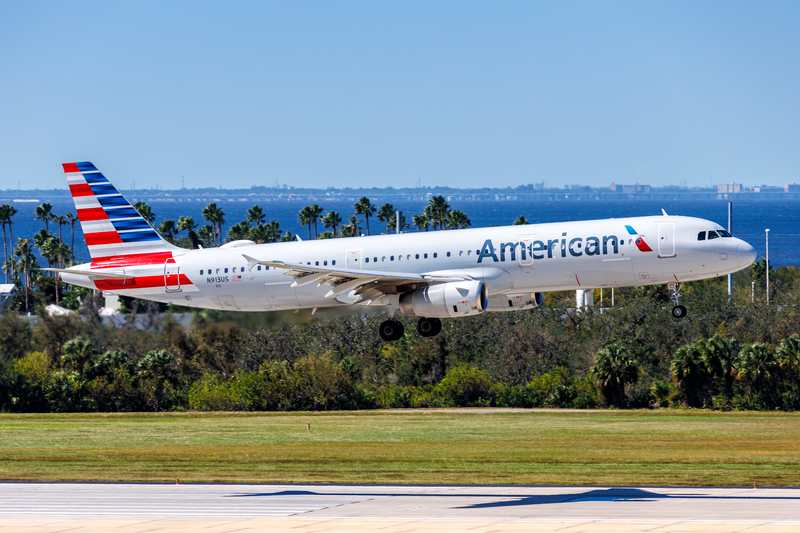
A larger, highly efficient long-haul aircraft gives Air Canada three levers:
More capacity in proven long-haul markets. The -1000 is ideal for routes where Air Canada already sees strong demand but wants better unit economics and premium/cargo upside.
More range-and-payload margin on ultra-long sectors. Routes that are technically possible on paper but operationally fragile—due to winds, alternates, and payload constraints—often become “bankable” when you introduce a modern, high-performance widebody.
Fleet flexibility for a diversified network. The -1000 provides another gauge between smaller long-haul widebodies and high-capacity flagships, letting Air Canada right-size growth while keeping frequencies and connection banks intact.

In other words: this is less about adding airplanes and more about expanding the envelope of what Air Canada can operate reliably and profitably nonstop from Canada.
Bottom Line
Air Canada’s newly disclosed order for eight Airbus A350-1000s is a forward-looking fleet bet aimed at the next decade of long-haul flying. With deliveries expected to start in the second half of 2030, the -1000 adds a higher-capacity, ultra-long-range tool powered by the Rolls-Royce Trent XWB-97, positioned to support expansion from hubs like Toronto (YYZ), Montreal (YUL) and Vancouver (YVR) into high-growth long-haul markets. The aircraft will also arrive with Air Canada’s forthcoming new cabin standard, making this not just a network move—but a product and competitiveness play for the 2030s.
Keep reading FlyMag
Get the Daily Brief in the morning or the Route Watch weekly recap on Fridays. Or both.
Share this story
Composed for each network — click to share, or copy the composed text for your own timing.