Freebird Airlines Europe has launched nonstop service between Cologne Bonn Airport and Fuerteventura, adding another leisure link from western Germany to the Canary Islands during the peak summer season.
The new route connects Cologne Bonn Airport (CGN) with Fuerteventura Airport (FUE), the main airport serving the second-largest of Spain’s Canary Islands. Service began on June 27, 2026, and is listed in Freebird’s summer schedule as a weekly Saturday operation.
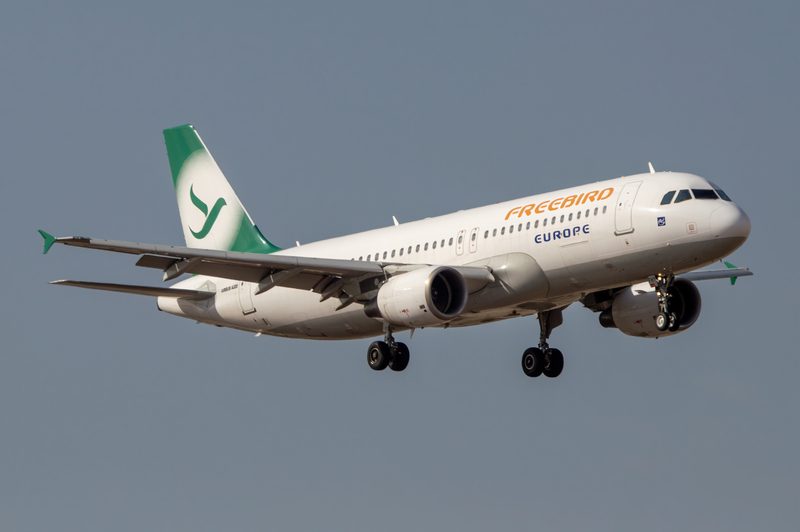
The flights are operated with an Airbus A320 based at Cologne/Bonn (CGN) for the summer season. That aircraft is central to Freebird Airlines Europe’s expanded German leisure program, which also includes new services from Cologne/Bonn (CGN) to the Greek islands of Kos (KGS), Rhodes (RHO), and Heraklion (HER), alongside sister airline Freebird Airlines’ daily Antalya (AYT) operation.
Read our stories in your inbox
Two aviation newsletters. Zero fluff.
For Cologne/Bonn, the Fuerteventura route is a useful addition in a market that remains consistently popular with German holidaymakers. For Freebird Airlines Europe, it is another step in turning CGN into a more visible summer leisure base.
Cologne/Bonn Gains Another Canary Islands Link
The Cologne/Bonn (CGN)–Fuerteventura (FUE) route gives travelers in North Rhine-Westphalia another nonstop option to one of the Canary Islands’ most durable year-round leisure markets.
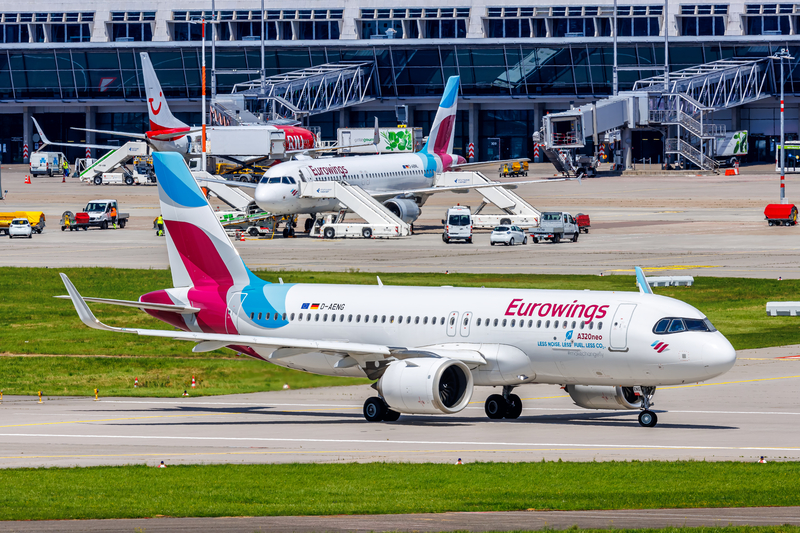
Fuerteventura (FUE) is served through the island’s airport near Puerto del Rosario, making it the main air gateway for visitors heading to resorts such as Corralejo, Caleta de Fuste, Costa Calma, and Morro Jable. The island is known for long beaches, reliable sunshine, Atlantic winds, and strong conditions for surfing, windsurfing, and kitesurfing.
That demand profile fits the German leisure market well. The Canary Islands are not purely a summer product. Their mild winter climate and strong holiday infrastructure make them attractive across the year, especially for travelers looking for sun outside the Mediterranean peak season.
For Cologne Bonn Airport (CGN), Fuerteventura (FUE) is already a proven destination. The value of Freebird’s entry is not that it creates an entirely new market, but that it adds more leisure capacity and another operator at a time when demand for warm-weather flying remains strong.
The Aircraft: Airbus A320
Freebird Airlines Europe is using the Airbus A320 for the new Fuerteventura service.
The A320 is a natural aircraft for the Cologne/Bonn (CGN)–Fuerteventura (FUE) sector. The route is roughly 1,900 miles and has a scheduled flight time in the region of four and a half hours, depending on winds and routing. That places it comfortably within short- to medium-haul narrowbody territory.
The Airbus A320 is one of the most widely used leisure aircraft in Europe. It gives holiday carriers the right combination of range, capacity, reliability, and airport compatibility for routes linking Northern and Central Europe with the Mediterranean, North Africa, Turkey, and the Canary Islands.
For an airline such as Freebird Airlines Europe, the A320 also keeps the operation simple. A standardized narrowbody fleet supports easier crew planning, maintenance, spare-parts management, and aircraft rotation. That matters when an aircraft is stationed away from the airline’s main operational center and used across multiple leisure routes during the summer.
Freebird Airlines Europe and its sister carrier Freebird Airlines operate an all-Airbus A320-family fleet, which is exactly the kind of fleet commonality that makes a seasonal base at Cologne/Bonn (CGN) practical.
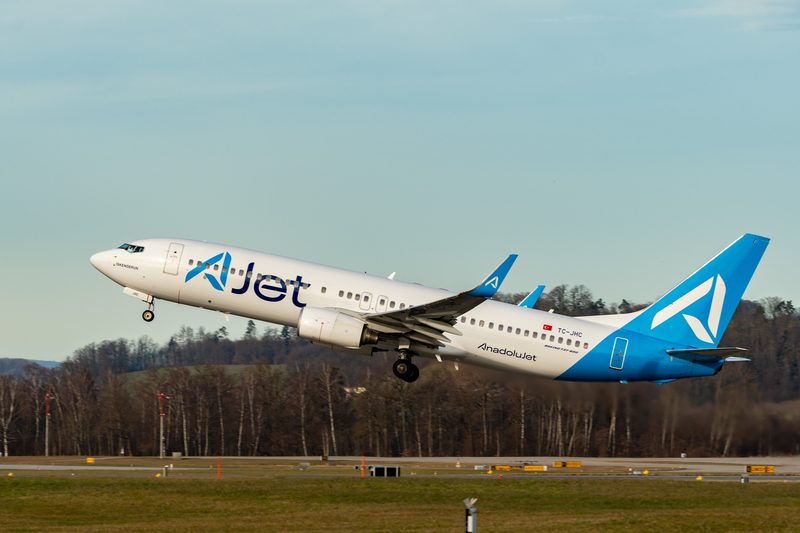
A Summer Base Built Around Leisure Demand
The Fuerteventura launch is part of a broader Freebird Airlines Europe expansion from Cologne/Bonn (CGN).
The airline is basing an Airbus A320 at the airport during the summer season, initially through mid-September, with the option of extending the base depending on demand. During peak summer, Freebird’s Cologne/Bonn program is expected to reach up to 19 weekly departures when combined with sister airline Freebird Airlines’ daily Antalya (AYT) service.
The summer program includes:
Freebird Airlines Europe flights to Fuerteventura (FUE), Kos (KGS), Rhodes (RHO), Heraklion (HER), and Pristina (PRN), plus Freebird Airlines’ daily Cologne/Bonn (CGN)–Antalya (AYT) flights.
That mix is not accidental. It is built around the core German outbound holiday market: Turkey, Greece, the Canary Islands, and visiting-friends-and-relatives traffic to Kosovo.
For Cologne/Bonn, the aircraft base is as important as the individual routes. A locally based A320 gives the airport more schedule flexibility, supports early departures, and makes it easier for Freebird to operate a compact leisure program without positioning aircraft in from another station for every flight.
Fuerteventura Is A Strong Fit For German Holiday Traffic
Fuerteventura is one of the more reliable leisure destinations in the Canary Islands.
Unlike some Mediterranean resorts that are heavily tied to July and August, Fuerteventura can attract visitors across a longer season. Its beaches, surf culture, resort infrastructure, and mild weather make it popular with families, package-holiday travelers, outdoor travelers, and winter-sun passengers.
That matters for airlines. A destination with demand outside a narrow peak window is easier to support, especially if the route can be sold through both direct channels and tour operators.
German demand to the Canary Islands is particularly deep. Travelers from Cologne, Bonn, Düsseldorf, the Ruhr area, and the wider Rhine-Ruhr region have long supported nonstop flights to Tenerife (TFS/TFN), Gran Canaria (LPA), Lanzarote (ACE), and Fuerteventura (FUE). The region’s population base gives airlines a strong catchment, while Cologne/Bonn (CGN) offers a lower-stress alternative to some larger airports in western Germany.
Freebird’s weekly Fuerteventura service will not transform the market by itself. But it gives the airline a foothold in a strong, established leisure corridor.
Cologne/Bonn’s Leisure Role Keeps Growing
Cologne Bonn Airport (CGN) has long been an important airport for low-cost, leisure, cargo, and point-to-point flying.
It does not function like Frankfurt (FRA) or Munich (MUC), where long-haul network-carrier connectivity dominates the commercial story. Instead, CGN is especially relevant for price-sensitive passengers, tour operators, holiday airlines, and travelers in the densely populated Rhine-Ruhr region who want nonstop access to European and near-European leisure destinations.
Freebird Airlines Europe’s summer base fits that profile. The airline is not trying to build a complex connecting hub at CGN. It is using the airport as an origin point for outbound holiday traffic to destinations with proven seasonal demand.
That is why the A320-based model works. One aircraft can operate a rotating set of leisure destinations across the week, matching demand patterns without requiring daily flights to every market.
For the airport, this kind of operation strengthens its summer portfolio and gives passengers more choice without requiring major infrastructure changes.
Freebird Airlines Europe’s Position In The Market
Freebird Airlines Europe was founded in 2019 and is headquartered in Malta. It is part of Gözen Holding, a Turkish aviation group with activities across airline operations, representation, fuel supply, supervision, brokerage, safety, and training.
The airline operates under European Union Aviation Safety Agency standards and the Maltese civil aviation regulatory framework. That makes it useful for European leisure flying, while its sister carrier Freebird Airlines continues to support the group’s broader Turkey-focused operation.
The brand’s Cologne/Bonn expansion also comes as Freebird Airlines marks 25 years of operation. That gives the group a useful commercial moment to expand its visibility in Germany, one of Europe’s most important outbound leisure markets.
For passengers, the distinction between Freebird Airlines and Freebird Airlines Europe may not always be obvious. Operationally, however, the European airline gives the group a Malta-based platform for EU flying, while the Turkish sister airline remains central to routes such as Antalya (AYT).
Why Weekly Service Can Still Matter
A once-weekly route may look small, but it can be commercially useful in the leisure market.
Package holidays, resort stays, and vacation rentals often move in weekly patterns. A Saturday flight to Fuerteventura (FUE) can align neatly with seven-night and 14-night trips, which are still common in sun-and-beach markets. That makes weekly service more viable than it might be on a business route, where travelers often need multiple departure options across the week.
For airlines, the key is load factor and yield. A weekly A320 flight can work well if tour operators, direct bookings, and online travel agencies fill the aircraft consistently during the summer period. It also limits risk. Freebird can serve the market without committing to daily capacity or a long year-round schedule.
That measured approach is sensible for a new base operation. If the route performs well, the airline can consider extending the season, adding more capacity, or repeating the program in future summers.
Competition Will Be Part Of The Challenge
Fuerteventura (FUE) is popular, but that also means competition.
The Cologne/Bonn (CGN)–Fuerteventura (FUE) market is already served by other leisure and low-cost operators, including carriers such as Eurowings, Ryanair, Corendon Airlines Europe, and Smartwings in various schedule periods. That gives travelers choice, but it also means Freebird will need competitive pricing, tour-operator support, and reliable operations to stand out.
The route’s success will likely depend less on novelty and more on execution. Passengers booking leisure flights care about price, timing, baggage rules, reliability, and package availability. For a holiday airline, distribution through travel agencies and tour operators can be just as important as direct sales.
Freebird’s advantage is that the route sits inside a larger Cologne/Bonn summer program. The based A320 is not dependent on Fuerteventura alone. It can support multiple sun destinations across the week, spreading commercial risk across several markets.
Bottom Line
Freebird Airlines Europe’s new Cologne/Bonn (CGN)–Fuerteventura (FUE) service is a focused leisure expansion rather than a major network shake-up.
The route began on June 27, 2026, and is listed by Freebird as a weekly Saturday Airbus A320 service. It is the first of several new summer routes Freebird Airlines Europe is adding from Cologne/Bonn, with Kos (KGS), Rhodes (RHO), Heraklion (HER), and Pristina (PRN) also part of the program. Sister carrier Freebird Airlines continues to operate daily Cologne/Bonn (CGN)–Antalya (AYT) flights.
For passengers in western Germany, the benefit is more nonstop choice to one of the Canary Islands’ most popular holiday destinations. For Cologne Bonn Airport, the route supports its role as a strong leisure airport for the Rhine-Ruhr region. For Freebird, the based A320 gives the airline a practical platform to grow its German summer schedule without overextending capacity.
Fuerteventura may be a familiar destination, but that is exactly why it works. It has year-round appeal, strong German demand, and the kind of leisure traffic that can support a weekly narrowbody service when the aircraft, schedule, and distribution are aligned.
Keep reading FlyMag
Get the Daily Brief in the morning or the Route Watch weekly recap on Fridays. Or both.