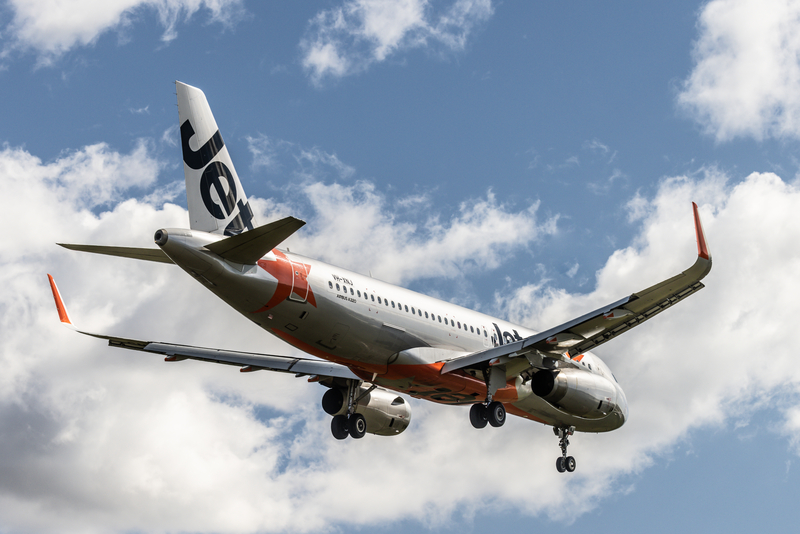
Jetstar will operate the first commercial passenger flight from Western Sydney International Airport (WSI) when the new airport opens to travelers on October 25, 2026.

The first departure will be flight JQ362 from Western Sydney International (WSI) to Gold Coast Airport (OOL).
The aircraft is scheduled to leave WSI at 11:00 a.m. local time.
Read our stories in your inbox
Two aviation newsletters. Zero fluff.
It will be a major milestone for Sydney and Australian aviation. Western Sydney International, officially named Western Sydney International (Nancy-Bird Walton) Airport, is Australia’s first major greenfield airport in more than 50 years.
It will also give Sydney something its existing main airport cannot offer: 24-hour operations.
Jetstar Gets The First Passenger Flight
Jetstar will be the first airline to carry commercial passengers from WSI.
The airline will start with three domestic routes: Gold Coast (OOL), Melbourne Airport (MEL), and Brisbane Airport (BNE).
The launch schedule is modest, but important.
Jetstar will operate up to 21 weekly flights from WSI at the start. That includes:
| Route | Frequency | Operating Days |
|---|---|---|
| WSI–MEL | Up to 14 weekly | Daily |
| WSI–OOL | 4 weekly | Mon, Wed, Fri, Sun |
| WSI–BNE | 3 weekly | Tue, Thu, Sat |
All three routes will be operated with Airbus A320 aircraft.
For Jetstar, WSI is a natural fit. The airport opens access to one of Australia’s fastest-growing regions. It also gives the low-cost carrier room to grow away from the slot and curfew limits at Sydney Kingsford Smith Airport (SYD).
The First Route Is A Smart Choice
Gold Coast (OOL) is a logical first destination.
It is one of Australia’s strongest leisure markets. It also fits Jetstar’s low-fare model well.
For Western Sydney passengers, the route offers a direct holiday link without the need to travel across the city to Sydney Kingsford Smith (SYD).
That is the main selling point of WSI.
Millions of people live closer to the new airport than to SYD. For many of them, WSI could mean shorter drives, easier parking, and less time spent crossing Sydney before a flight.
This will matter most for leisure routes, family travel, and price-sensitive passengers.
Qantas Will Follow In March 2027
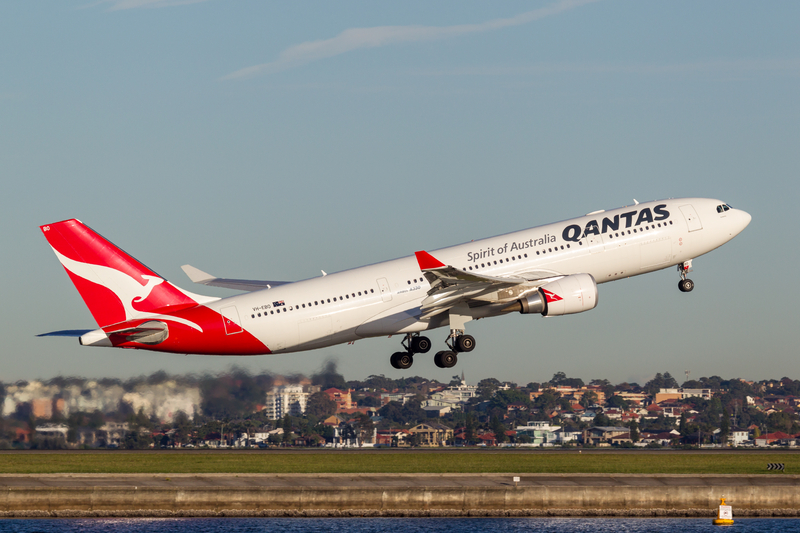
Qantas will begin passenger services from WSI on March 28, 2027.
The airline will operate flights through QantasLink, using Embraer E190 aircraft.
QantasLink will launch with two routes:
| Route | Frequency | Operating Days |
| WSI–MEL | 4 weekly | Mon, Wed, Fri, Sun |
| WSI–BNE | 4 weekly | Mon, Wed, Fri, Sun |
The E190 is a useful aircraft for a new airport launch.
It is smaller than a Boeing 737 or Airbus A320. That helps Qantas test demand without adding too much capacity too quickly.
QantasLink’s E190s also include Business Class, giving the airline a premium option from WSI from day one of its passenger operation.
Freight Starts Before Passenger Flights
Passenger flights will not be the first commercial operation at WSI.
Freight services are scheduled to begin earlier, on July 26, 2026.
Qantas Freight will begin regular operations from the airport’s 24-hour Cargo Precinct the following evening.
That is a key part of the WSI strategy.
Sydney Kingsford Smith (SYD) is limited by a night curfew. WSI is designed to operate around the clock. That makes it useful for air freight, especially express parcels, e-commerce, perishables, and time-sensitive cargo.
Qantas says its new freight terminal at WSI is expected to handle more than 850 tons of freight each week.
That gives the Qantas Group a new cargo platform in the Sydney basin.
A 24-Hour Airport For Sydney
The biggest difference between WSI and SYD is operating flexibility.
Sydney Kingsford Smith Airport (SYD) operates under a night curfew between 11:00 p.m. and 6:00 a.m., with limited exceptions.
Western Sydney International (WSI) is being built as a curfew-free airport.
That changes what airlines can do.
Late-night departures and early-morning arrivals become possible. Freight aircraft can move outside the SYD curfew window. Long-haul airlines can also schedule flights at times that better connect with Asian, Middle Eastern, and European networks.
This does not mean every airline will immediately move to WSI.
SYD will remain Sydney’s primary airport for many business and premium travelers. But WSI gives airlines another option in a market where airport capacity has long been constrained.
Built For 10 Million Passengers At Opening
WSI’s first stage is designed to handle up to 10 million passengers per year.
The airport will open with one 3.7-kilometer runway and a single integrated terminal for domestic, international, and freight operations.
That integrated terminal is important.
Domestic and international flights will operate from the same building. This should make transfers simpler than at airports where passengers must change terminals.
The airport is also designed for future growth. Long-term planning allows WSI to expand well beyond its opening size as demand increases.
For Western Sydney, that matters. The region is one of Australia’s fastest-growing population and economic areas.
Air New Zealand Comes Next
Air New Zealand will become one of the first international passenger airlines at WSI.
The airline will launch flights between Auckland Airport (AKL) and WSI on October 26, 2026.
The route will operate three times weekly on Mondays, Wednesdays, and Fridays.
Air New Zealand will use Airbus A320 and A321 aircraft.
The schedule is built around morning arrivals into Western Sydney and mid-morning departures back to Auckland. That should work well for visiting-friends-and-relatives traffic, tourism, and trans-Tasman business travel.
It also gives New Zealand travelers a new Sydney gateway.
Singapore Airlines Adds Long-Haul Connectivity
Singapore Airlines will launch daily nonstop flights between Singapore Changi Airport (SIN) and Western Sydney International (WSI) on November 23, 2026.
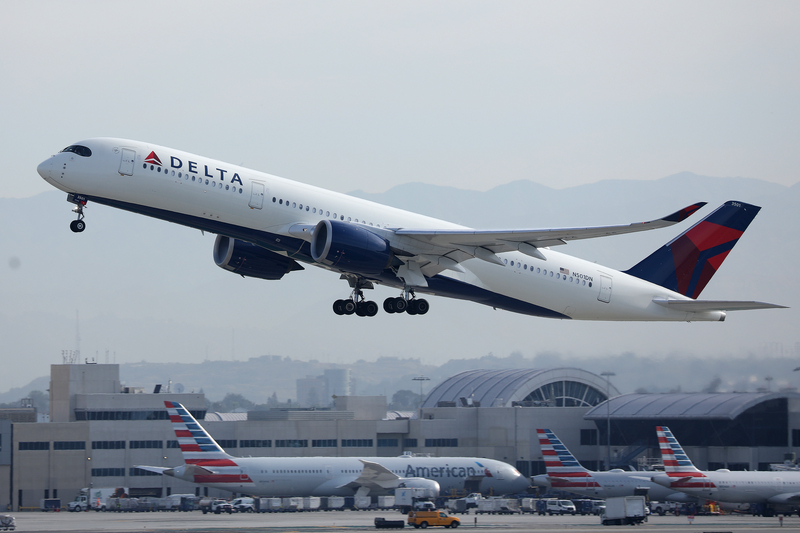
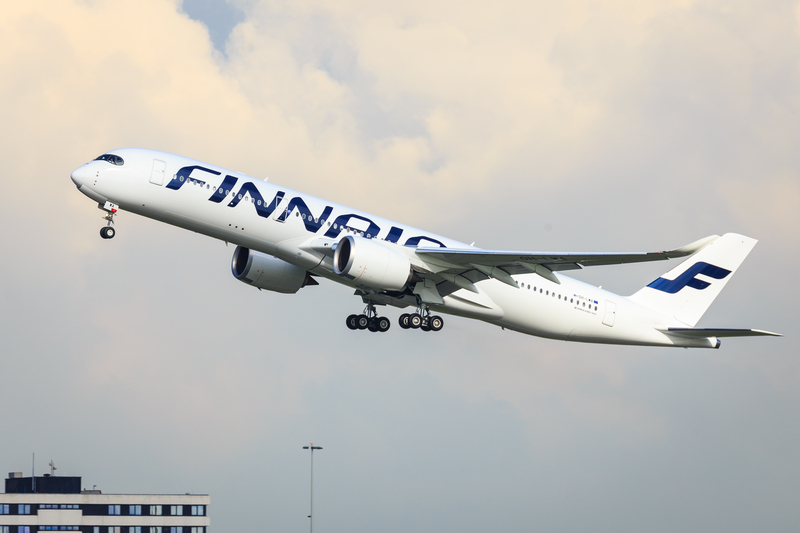
The airline plans to use the Airbus A350-900 on the route.
Singapore Airlines says the aircraft will have 303 seats: 40 in Business Class and 263 in Economy Class.
This is an important win for WSI.
A daily Singapore service gives the airport its first major long-haul network carrier. It also links Western Sydney to one of Asia’s largest connecting hubs.
For travelers, the route opens one-stop access from WSI to Southeast Asia, India, Europe, and other parts of the Singapore Airlines network.
WSI Will Not Replace SYD
Western Sydney International is not replacing Sydney Kingsford Smith.
The two airports will serve different roles.
SYD remains closer to central Sydney and will keep a strong position with business, premium, domestic, and international traffic.
WSI gives the region extra capacity. It also gives airlines a curfew-free airport and gives Western Sydney residents a closer departure point.
That is the bigger story.
Sydney is gaining a second major airport, not just a new terminal.
Over time, airlines may divide flying based on passenger demand, slot availability, freight needs, aircraft type, and schedule timing.
Why Jetstar Is A Good Launch Airline
Jetstar is a strong fit for the first phase.
Low-cost carriers can help build new airport demand quickly. They bring lower fares, simple domestic routes, and strong leisure traffic.
Jetstar’s A320 fleet is also right-sized for the opening schedule.
The Airbus A320 is one of the most widely used narrowbody aircraft in the world. Jetstar uses it across short- and medium-haul routes in Australia and the region.
For WSI’s first domestic flights, that makes sense.
The airline can start with familiar aircraft, proven routes, and manageable frequency.
Road And Rail Access Will Be Critical
The airport’s success will depend on ground access.
WSI is located at Badgerys Creek in Western Sydney. For many local residents, that will be more convenient than travelling to SYD.
The new M12 Motorway is designed to improve road access to the airport precinct. It connects the airport area with the wider motorway network.
A dedicated Sydney Metro – Western Sydney Airport rail line is also under development.
Until rail opens, road access will be especially important.
For airlines, passengers must be able to reach the airport easily. For freight operators, reliable road links are just as important.
A Big Moment For Australian Aviation
The launch of WSI is a rare event.
Australia has not opened a major new international airport for decades. Sydney has also spent years managing demand around SYD’s curfew, slot limits, and urban location.
WSI gives the market a new release valve.
It will not solve every capacity issue overnight. But it gives airlines, freight operators, and passengers a second large airport in Australia’s biggest city.
That is why the first Jetstar flight matters.
JQ362 to the Gold Coast is only one domestic departure. But it will mark the start of a new airport era for Sydney.
Bottom Line
Jetstar will operate the first commercial passenger flight from Western Sydney International (Nancy-Bird Walton) Airport (WSI) on October 25, 2026.
Flight JQ362 will depart WSI for Gold Coast Airport (OOL) at 11:00 a.m. Jetstar will also launch flights to Melbourne (MEL) and Brisbane (BNE), using Airbus A320 aircraft.
QantasLink will follow on March 28, 2027, with Embraer E190 flights from WSI to Melbourne (MEL) and Brisbane (BNE).
Freight operations will begin earlier, on July 26, with Qantas Freight using the airport’s 24-hour Cargo Precinct.
Air New Zealand will launch Auckland (AKL) flights on October 26, and Singapore Airlines will begin daily Singapore (SIN) service on November 23.
For Sydney, this is more than a new airport opening. WSI gives Australia’s largest city extra capacity, 24-hour operations, a new freight platform, and a closer airport for millions of Western Sydney residents.
For Jetstar, it is a chance to make history. For passengers, it means more choice in one of Australia’s most important air travel markets.
Keep reading FlyMag
Get the Daily Brief in the morning or the Route Watch weekly recap on Fridays. Or both.