Air Canada is expanding its winter 2026–27 network in a way that says a lot about where the airline sees near-term leisure and premium demand.

The carrier is adding nonstop service to Tenerife South Airport (TFS) from both Montréal–Trudeau International Airport (YUL) and Toronto Pearson International Airport (YYZ), while also launching four new Latin American destinations: Roatán (RTB) in Honduras, Santo Domingo (SDQ) in the Dominican Republic, Mérida (MID) in Mexico, and Mazatlán (MZT) in Mexico.
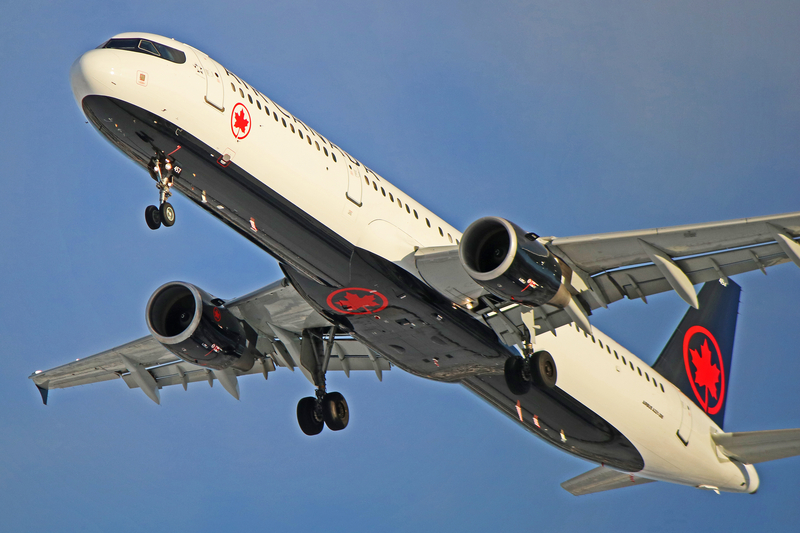
What makes the move especially notable is the aircraft. These routes will be operated by Air Canada’s Airbus A321XLR, which is quickly becoming one of the most important tools in the airline’s network strategy.
Read our stories in your inbox
Two aviation newsletters. Zero fluff.
Tenerife Is The Standout Addition
The Tenerife launch is the headline route for a reason.
Air Canada is positioning these flights as the only nonstop service from North America to Tenerife, giving the airline a distinctive winter market that avoids direct competition on the route itself. That matters because Tenerife is not a conventional North American leisure destination in the way Cancún, Punta Cana, or Montego Bay are. It is a more unusual long-haul sun market, which gives Air Canada a chance to stand out rather than simply add capacity into an already crowded space.
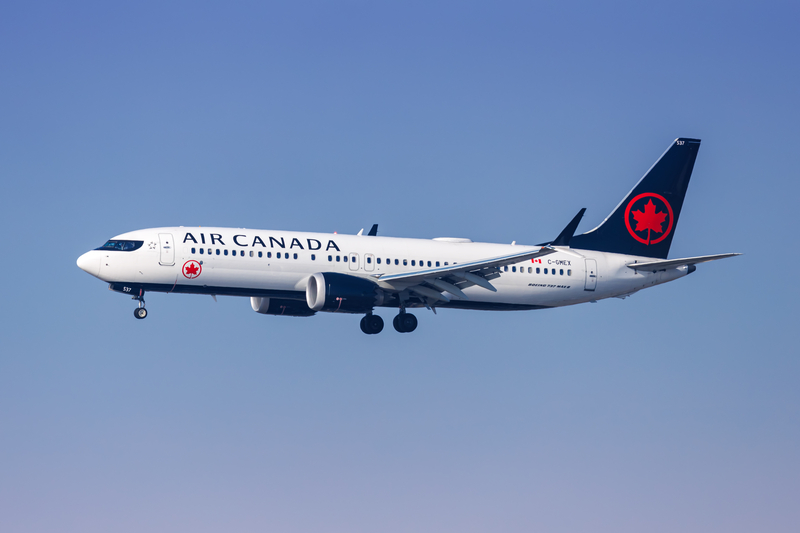
The service will operate from both Toronto Pearson Airport (YYZ) and Montréal (YUL), making Tenerife a two-gateway play rather than a single-city experiment.
The Schedule Shows Air Canada Is Targeting Winter-Leisure Demand Precisely
The timing is highly specific.
From Toronto (YYZ), flights to Tenerife South Airport (TFS) are scheduled twice weekly, while Montréal (YUL) gets once-weekly service. The pattern is clearly built around winter-sun demand rather than broad year-round network relevance.
That is a sensible approach. Tenerife is an attractive destination in the European winter season, but this is still a niche long-haul market from Canada. Air Canada is giving the route enough frequency to be useful while keeping the capacity disciplined.
This is not a broad-based European expansion. It is a carefully chosen winter-sun bet.
The A321XLR Is What Makes These Routes Possible
The Airbus A321XLR is the enabling tool behind the whole strategy.
Air Canada is using the aircraft not just to add routes, but to add the right kind of routes: thinner long-haul sectors that would be difficult to justify with a larger widebody. Tenerife is a perfect example of that. So are several of the new Latin American additions.
The A321XLR gives the airline long range, relatively low trip cost, and a premium-capable cabin without the seat risk of a Boeing 787 or Airbus A330. That matters because these are markets where demand may be strong, but not necessarily at the scale required for a widebody to work consistently.

In other words, this expansion is as much about aircraft strategy as it is about route strategy.
Latin America Is Getting Four New Destinations
The airline’s Latin American growth is broader than the Tenerife headline may suggest.
Air Canada is adding service to:
- Roatán International Airport (RTB) in Honduras
- Las Américas International Airport (SDQ) in Santo Domingo
- Mérida International Airport (MID) in Mexico
- Mazatlán International Airport (MZT) in Mexico
These additions fit neatly into a wider pattern. Air Canada is clearly leaning harder into leisure-oriented and visiting-friends-and-relatives markets where Canadian demand remains solid during the winter season.
That is especially relevant in the Caribbean and Mexico, where Canadian travelers continue to be among the most important inbound visitor segments.
This Is A Sun-Market Expansion, But Not A Generic One
The choice of destinations is worth noting.
Santo Domingo (SDQ) is a major Caribbean market with strong diaspora and leisure appeal. Roatán (RTB) is more specialized, with strong resort and tourism demand. Mérida (MID) and Mazatlán (MZT) give Air Canada deeper reach into Mexico beyond the more obvious beach gateways.
This is what makes the expansion more interesting than a basic “more winter sun” story. Air Canada is not just adding capacity to the most obvious places. It is broadening its winter network into destinations that are either underserved, differentiated, or commercially useful in a more nuanced way.
Air Canada Is Also Using This To Strengthen Its Hubs
The route choices also reinforce the role of Toronto Pearson Airport (YYZ) and Montréal (YUL) as the airline’s main international gateways.
Toronto gets a particularly important role because the A321XLR is increasingly tied to that hub’s growth logic. But Montréal also remains critical, especially for leisure and Francophone demand patterns that often differ from those seen in Toronto.
That hub structure matters because Air Canada is not just adding destinations. It is adding destinations in a way that reinforces the different strengths of its two largest eastern gateways.
This Is A Network Strategy Shift, Not Just A Seasonal Tweak
What ties all of this together is the broader strategy.
Air Canada is using the A321XLR to go after routes that sit between traditional short-haul leisure flying and classic widebody long-haul service. These are destinations that are too far, too thin, or too specialized for the old model, but increasingly viable with the right narrowbody.
That is why Tenerife and the new Latin America destinations matter. They are part of a bigger shift in how Air Canada can grow: not only by adding more capacity to established trunk routes, but by opening new point-to-point markets that previously sat outside the airline’s practical reach.
Bottom Line
Air Canada’s winter 2026–27 expansion to Tenerife and four new Latin American destinations is more than a sun-market refresh. It is a demonstration of how the airline intends to use the Airbus A321XLR to unlock thinner, more specialized long-haul routes.
Tenerife South Airport (TFS) stands out as the most distinctive addition, especially with nonstop flights from both Toronto Pearson (YYZ) and Montréal (YUL). But the broader move into Roatán (RTB), Santo Domingo (SDQ), Mérida (MID), and Mazatlán (MZT) shows a carrier leaning harder into winter leisure and diaspora demand while preserving efficiency.
Keep reading FlyMag
Get the Daily Brief in the morning or the Route Watch weekly recap on Fridays. Or both.