Air Canada has removed its seasonal nonstop service between Halifax (YHZ) and Brussels (BRU) from its summer 2027 schedule, ending the route after one season.



The airline continues to sell Halifax-Brussels journeys through its online booking channel, but the summer 2027 options now require a connection. Halifax Stanfield’s current nonstop destination listing also shows Brussels only for the completed 2026 season, while displaying 2027 operating periods for several other routes.
The withdrawal removes a second summer of nonstop service that had been planned at three flights per week. It also takes Brussels out of Air Canada’s Halifax network before the route could develop beyond its inaugural season.
Read our stories in your inbox
Two aviation newsletters. Zero fluff.
The Route Operated for One Summer
Air Canada launched Halifax-Brussels on June 18, 2026. The outbound flight operated on Tuesdays, Thursdays and Saturdays through September 5, with the return service leaving Belgium on Wednesdays, Fridays and Sundays through September 6.

The carrier had announced the route in November 2025 as part of a broader European expansion that also included new services from Montreal and Toronto. At the time, Air Canada positioned Brussels as both a destination and a connecting point through Star Alliance partner Brussels Airlines.
The approximately six-hour eastbound sector gave Air Canada a second European destination from Halifax alongside its year-round London Heathrow (LHR) service. The airline also marketed one-stop access through Brussels to destinations across Europe, Africa and the Middle East.
Halifax Stanfield marked the first departure with an inaugural event on June 18. In its launch announcement, the airport emphasized the commercial and institutional links between Atlantic Canada and Belgium, including Halifax’s defense, aerospace, ocean technology and trade sectors.
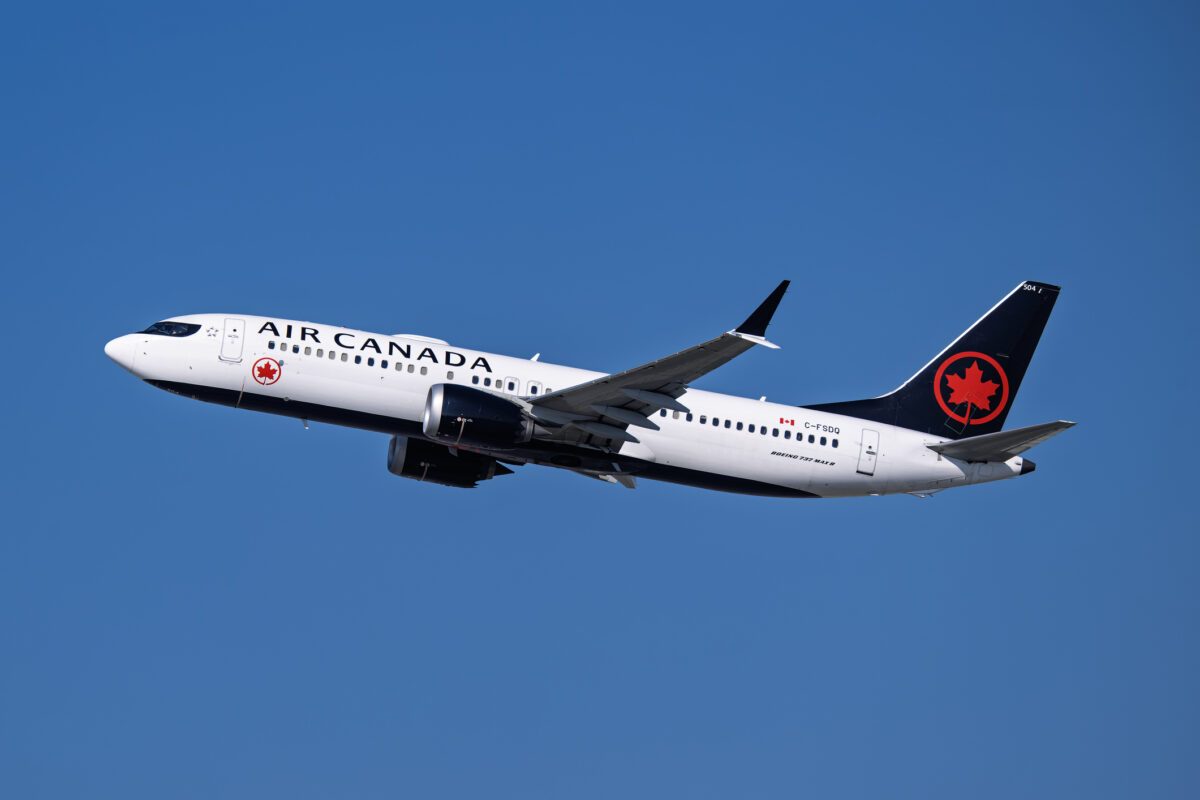
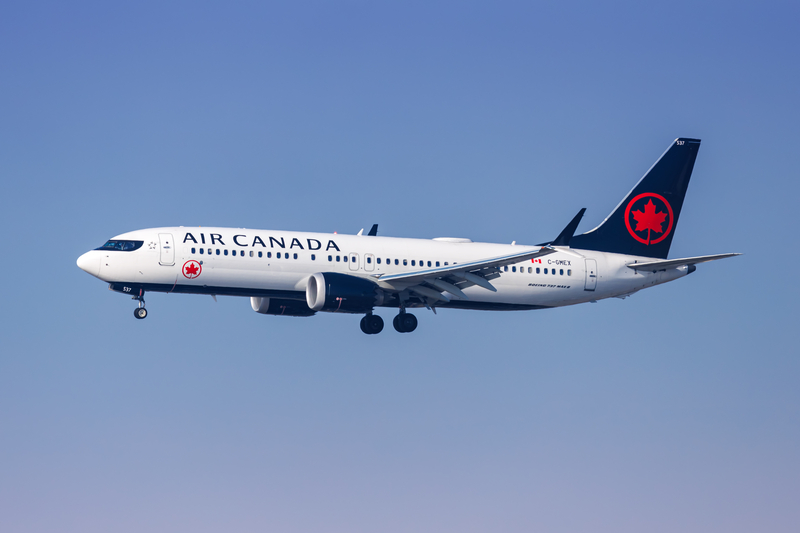
The route operated with the Boeing 737 MAX 8, an aircraft that allows Air Canada to serve thinner transatlantic markets without committing widebody capacity. Boeing lists a range of up to 3,500 nautical miles for the 737-8, placing the roughly 3,060-mile Halifax-Brussels sector within the type’s intended long-range narrowbody mission profile. The aircraft’s economics make it suitable for seasonal routes where three weekly frequencies can combine local traffic with connecting demand.
Brussels Loses Its Atlantic Canada Link
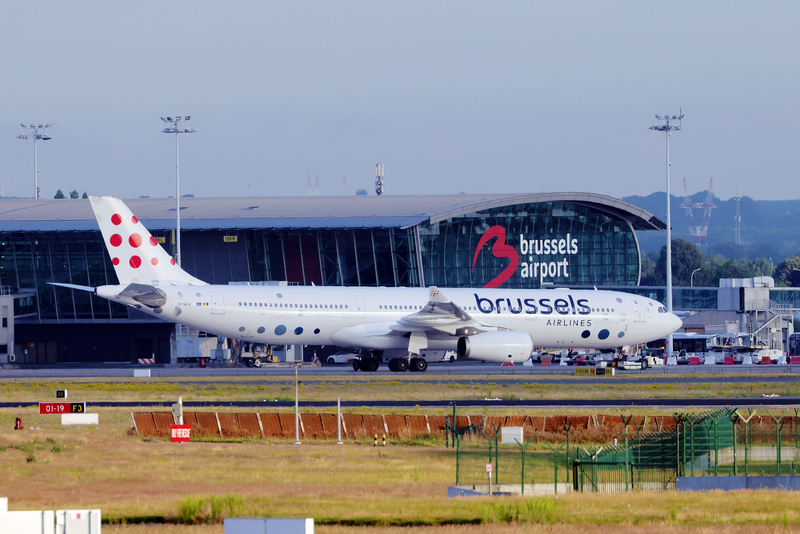
Brussels offered more than a point-to-point market. Air Canada specifically built the route around connectivity with Brussels Airlines, whose hub provides onward access across continental Europe and into Africa. That differentiated BRU from several of the leisure-heavy European destinations served from Halifax by other carriers.
The service also gave Belgian and connecting passengers direct access to Nova Scotia without backtracking through Toronto Pearson (YYZ), Montreal (YUL) or another European gateway. Its removal restores that extra stop for passengers traveling between Atlantic Canada and Belgium.
Air Canada’s Halifax operation remains anchored by domestic service to its Canadian hubs and its daily London route. Heathrow gives the airline a larger local market and substantial Star Alliance connectivity, while Toronto and Montreal provide alternative routings to Brussels on Air Canada’s existing long-haul network.
The decision comes as Air Canada reshapes the division of flying between its mainline operation and Air Canada Rouge. The airline is transferring Boeing 737 MAX 8 aircraft into Rouge while moving Airbus A320-family aircraft toward mainline. Air Canada’s Rouge product information describes the MAX cabin as having 12 Business Class seats, seatback entertainment and onboard connectivity.
Air Canada’s current fleet listing shows the Boeing 737 MAX 8 operating in both the mainline and Rouge fleets. That flexibility gives the carrier several places to deploy the aircraft during the peak summer period, when transatlantic and domestic demand compete for the same narrowbody capacity.
A Smaller Air Canada European Schedule From Halifax
The cancellation leaves Air Canada with one nonstop European route from Halifax for summer 2027: London Heathrow. Other airlines have built a broader seasonal European portfolio at YHZ, but Air Canada’s own long-haul schedule will again center on the daily London operation.
For Brussels, Air Canada will continue serving BRU from its larger Canadian gateways. Halifax passengers can therefore remain within the airline’s network by connecting in Toronto or Montreal, although the loss of the nonstop weakens the schedule for travelers originating in Atlantic Canada.
The short life of the route illustrates the challenge of sustaining a specialized transatlantic market even with a lower-capacity narrowbody. Brussels provided useful alliance connectivity and a distinctive business proposition, but a three-times-weekly seasonal operation still needed to balance local demand, connecting passengers and aircraft utilization across both sides of the Atlantic.
Bottom Line
Halifax loses more than a seasonal city pair. Brussels provided a direct link to a Star Alliance hub with a different connecting footprint from London, particularly for parts of continental Europe and Africa. Air Canada can still carry those passengers over Toronto, Montreal or Heathrow, but each alternative adds time and reduces the advantage the airline sought when it opened BRU in 2026.
The withdrawal also shows that long-range narrowbodies do not remove the commercial risk from smaller transatlantic markets. The Boeing 737 MAX 8 lowers the capacity threshold compared with a widebody, yet the route still has to generate enough high-yield local and connecting traffic while competing for an aircraft that can be profitably used elsewhere during the northern summer peak.
Attention now turns to how Air Canada allocates its Halifax capacity for summer 2027. Additional feed into Toronto and Montreal would preserve network access, while any increase on London would consolidate the carrier around its strongest European gateway. For Halifax Stanfield, the task will be to maintain the breadth of its European schedule even as Air Canada retreats from Brussels.