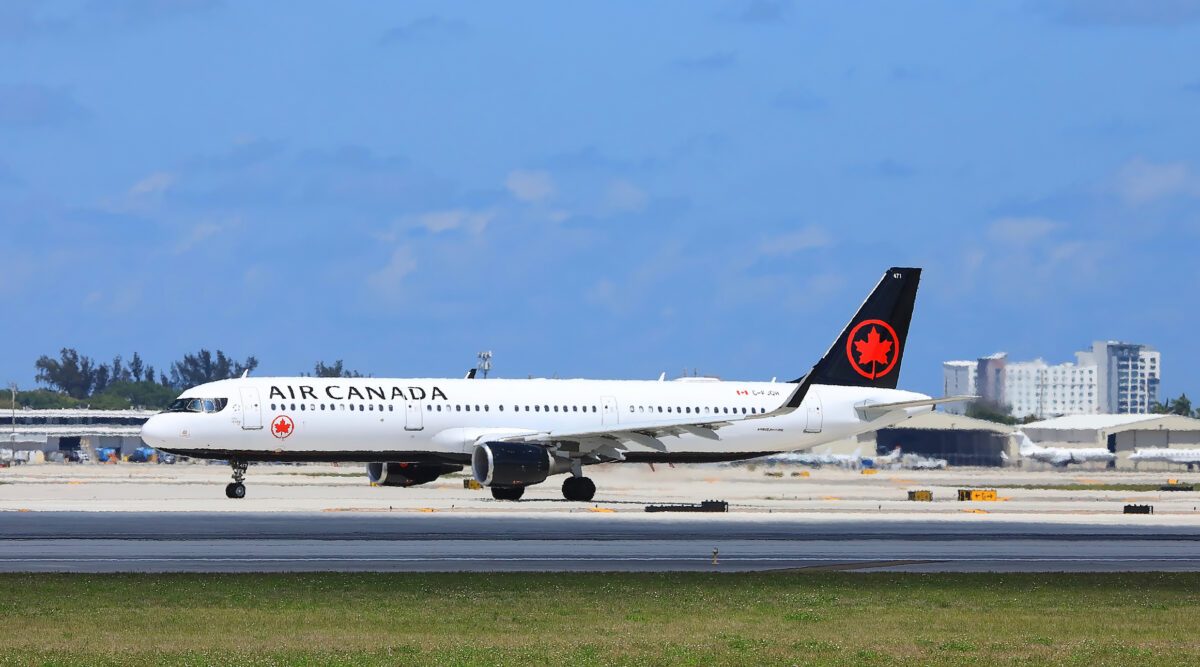
Air Canada is adding 14 nonstop European corridors across its 2026 and 2027 schedules, concentrating the expansion at its three principal gateways in eastern Canada.


Seven routes originate at Montréal–Trudeau (YUL), six at Toronto Pearson (YYZ) and one at Halifax (YHZ). The total includes summer seasonal services, a pair of winter links to Tenerife and the restoration of Toronto–Budapest rather than 14 entirely new destinations.
The program has been assembled through several network announcements. Air Canada first detailed new Mediterranean services and Budapest’s return in its summer 2026 international schedule, followed by additional routes to Berlin, Nantes, Ponta Delgada and Brussels. Tenerife joined the network for winter 2026-27, while five further European routes are scheduled for summer 2027.
Read our stories in your inbox
Two aviation newsletters. Zero fluff.
Seven European Routes From Montréal
Montréal receives the largest share of the expansion, reflecting YUL’s role as Air Canada’s primary transatlantic hub for French-speaking markets and thinner leisure destinations. The seven additions are:
- Catania (CTA): Three weekly flights from June 4 through October 22, 2026.
- Palma de Mallorca (PMI): Four weekly flights from June 17 through October 23, 2026.
- Nantes (NTE): Three weekly flights from June 10 through October 11, 2026.
- Berlin (BER): Three weekly flights from July 2 through October 10, 2026.
- Tenerife South (TFS): Initially one weekly flight from October 31, 2026, with the route subsequently extended to year-round operation.
- Dubrovnik (DBV): Three weekly flights from May 11 through October 23, 2027.
- Basel-Mulhouse (BSL): Four weekly flights from June 16 through October 23, 2027.
The mix is weighted toward markets that do not require daily widebody capacity. Nantes was announced with a narrowbody aircraft offering premium and economy cabins, while Berlin, Palma, Tenerife and Basel are applications for the Airbus A321XLR.
Dubrovnik is the exception among the 2027 Montréal additions. Air Canada plans to use a Boeing 787 Dreamliner with Signature Class, Premium Economy and Economy, placing substantially more capacity and belly-cargo capability into the Croatian market. Its May start also gives the route a longer operating season than several of the other additions.
The 2027 schedule announcement positions Basel differently. The four-weekly A321XLR service targets a commercially significant region spanning Switzerland, France and Germany while avoiding the capacity commitment of an Airbus A330 or Boeing 787.

Toronto Gains Six Routes
Toronto’s six additions combine restored Central European service, island leisure markets and three new summer 2027 destinations:
- Budapest (BUD): Four weekly flights from June 5 through October 23, 2026.
- Ponta Delgada (PDL): Three weekly flights from June 11 through September 5, 2026.
- Tenerife South (TFS): Twice-weekly flights from October 25, 2026, through April 29, 2027.
- Oslo (OSL): Four weekly flights from June 2 through October 10, 2027.
- Shannon (SNN): Three weekly flights from June 10 through October 2, 2027.
- Nice (NCE): Twice-weekly flights from June 16 through October 23, 2027.
Budapest is a restoration of a route previously flown by Air Canada Rouge. Its return gives Toronto another Central European spoke alongside the carrier’s existing services in the region, while Ponta Delgada is a relatively short transatlantic sector suited to narrowbody economics.
Oslo and Shannon will both use the Airbus A321XLR. Oslo is scheduled four times weekly and will make Air Canada the only North American airline operating nonstop to Norway. Shannon will complement the airline’s Dublin operation and provide a direct Canadian link to western Ireland.
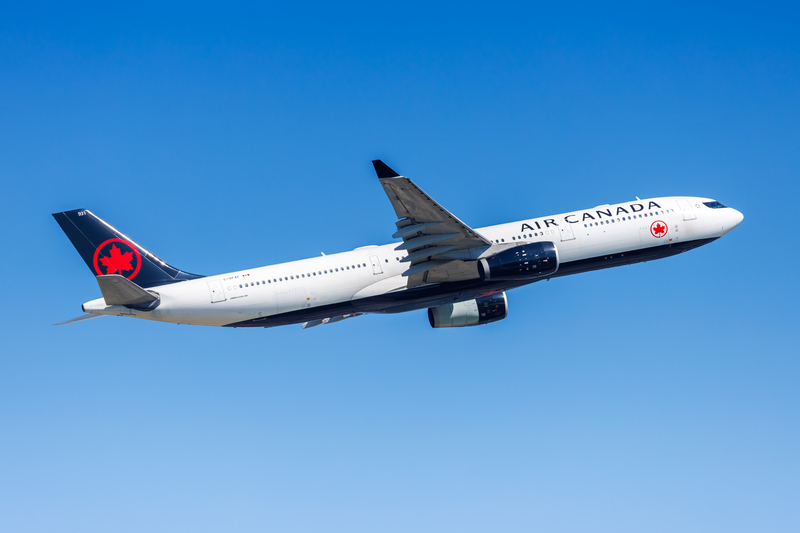
Nice will be served twice weekly by an Airbus A330-300 with Signature Class, Premium Economy and Economy. The route complements Air Canada’s established Montréal–Nice service, producing a combined daily operation from the airline’s two largest eastern hubs on the days the Toronto flight operates.

Halifax Returns to Brussels
Halifax’s contribution is a three-weekly seasonal service to Brussels (BRU), operated from June 18 through September 5, 2026. Air Canada scheduled a narrowbody aircraft with premium and economy cabins for the route.
The service made Brussels the airline’s second European destination from Halifax alongside London Heathrow. Brussels also adds connecting utility through Star Alliance partner Brussels Airlines, particularly for destinations in continental Europe and Africa.
Air Canada grouped Berlin, Nantes, Ponta Delgada and Brussels in a second summer 2026 expansion. All four were scheduled at three weekly frequencies, indicating a common strategy of building breadth without placing daily capacity into markets that are strongly seasonal.
The A321XLR Reshapes the Route Map
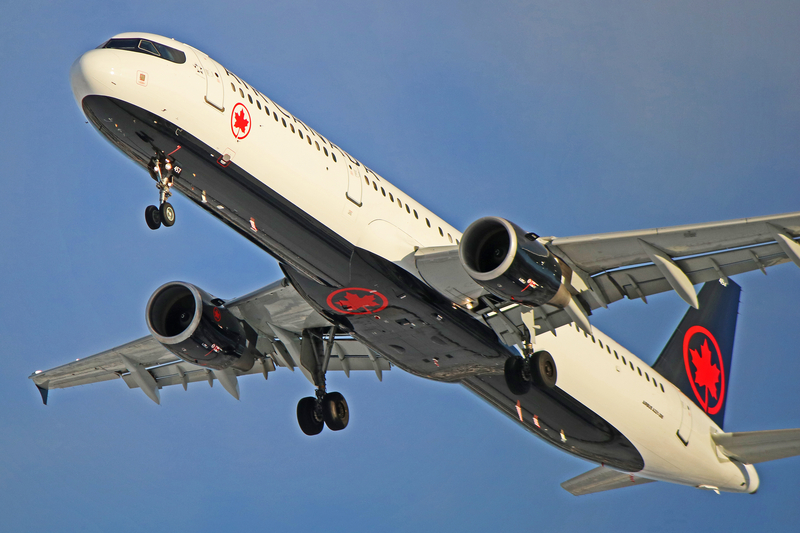
The Airbus A321XLR is central to the expansion. Air Canada’s aircraft carries 182 passengers, divided between 14 lie-flat Signature Class seats and 168 Economy seats. Every seat has a seatback entertainment screen, while the two-cabin layout gives the airline a credible premium product without the trip cost of a widebody.
Air Canada introduced the type into scheduled service in June 2026. The carrier has commitments for 30 A321XLRs, split between leased aircraft and direct purchases from Airbus.
Its combination of transatlantic range and narrowbody capacity is particularly relevant to routes such as Berlin, Tenerife, Oslo, Shannon and Basel. These markets can support nonstop service during defined seasonal peaks but may not consistently absorb the larger seat count of an A330 or 787.
The two Tenerife routes demonstrate the same principle in winter. The initial winter schedule assigns one weekly flight from Montréal and two from Toronto, allowing Air Canada to establish the Canary Islands without launching with high frequency. Montréal–Tenerife has since been designated for year-round service.
Bottom Line
The immediate beneficiary is Montréal, where the A321XLR lets Air Canada add geographic breadth without depending on large local markets or committing a widebody to every destination. Basel, Nantes and Tenerife fit that model particularly well: each can draw local traffic while also taking connections from the carrier’s Canadian and U.S. network.
Toronto’s additions are more varied. Oslo and Shannon show the same narrowbody strategy, while Nice receives an A330 and Budapest restores a market with an established traffic base. Halifax–Brussels is a smaller but strategically useful spoke because Brussels Airlines can distribute passengers beyond Belgium.
The next measure will be how many of these services progress from short seasonal runs to longer seasons or year-round operation. Montréal–Tenerife has already made that step. As more A321XLRs arrive, Air Canada will have greater freedom to test secondary European cities at limited frequency, then add capacity where local demand, connections and premium revenue justify it.