African airlines are reacting quickly to a sharp rise in jet fuel costs, and the first visible response is now showing up in ticket prices.
Across several markets, carriers are introducing fuel surcharges or raising fares to protect schedules without immediately cutting flights. That distinction matters. The current crisis is not primarily about physical shortages shutting airports down. It is about airlines trying to absorb a sudden cost shock in a region where fuel already accounts for an unusually large share of operating expenses.
For aviation professionals, that is the real story. African carriers are not yet facing a broad operational collapse from lack of supply. They are facing a pricing crisis severe enough to threaten route economics, cash flow, and fare stability almost overnight.
Read our stories in your inbox
Two aviation newsletters. Zero fluff.
The Core Problem Is Price, Not A Continent-Wide Fuel Outage
The first point worth making clearly is that Africa’s aviation problem is currently more about fuel cost than fuel availability.
There have been localized concerns over stock levels and delivery timing in some markets, but the broader issue is that jet fuel prices have climbed sharply following disruption tied to the Middle East conflict and shipping pressure through the Strait of Hormuz. For African airlines, that is especially painful because many countries on the continent remain heavily dependent on imported refined fuel.
That means even when tanks are not empty, airline economics can deteriorate very quickly.
Airlines Are Choosing Surcharges Before Schedule Cuts
So far, many carriers are responding in the least disruptive way available: adding fuel surcharges or increasing fares rather than immediately canceling routes.
That is a rational first move. If an airline can pass at least part of the increase on to passengers, it buys time. It preserves aircraft utilization, protects crew schedules, and avoids the reputational damage that comes with abrupt flight cuts.
But it also means travelers are seeing the cost shock directly. In practical terms, airlines are trying to keep their networks intact by asking the market to absorb some of the pain.

That is always easier on paper than in reality, especially in price-sensitive markets.
Nigeria Shows How Quickly Fuel Costs Can Become A National Aviation Issue
Nigeria has become one of the clearest examples of the pressure this creates.
Domestic carriers there came close to suspending operations altogether after warning that fuel costs had become unsustainable. The government stepped in to prevent an immediate shutdown, with talks on debt relief and fuel pricing used to stabilize the situation.
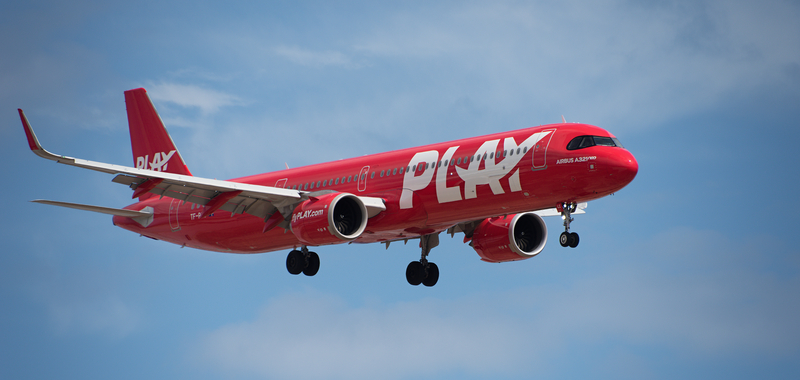
That alone shows how serious the issue has become. When airlines threaten a coordinated halt not because aircraft are unavailable or demand has collapsed, but because jet fuel has become too expensive to keep flying, the problem is no longer a normal fare adjustment issue. It becomes a national transport policy problem.
In Nigeria’s case, the response has been to negotiate, hold the network together, and avoid a sudden stop. But the underlying pressure has not disappeared.
East Africa Is Already Seeing Fare Increases
In East Africa, the effect is also becoming visible in pricing.
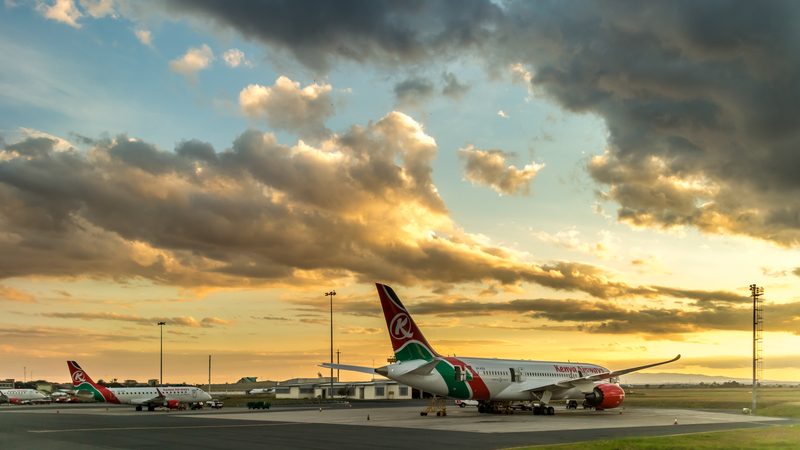
Kenyan carriers have already started increasing fares or applying explicit fuel surcharges. This is particularly visible among domestic and regional operators, where margins are often thinner and fare flexibility is limited. Smaller carriers usually feel these shocks sooner because they have less balance-sheet room to absorb volatility and fewer ways to spread costs across large networks.
That is important because it suggests the impact is not confined to one national market. It is spreading through different parts of the continent in different forms.
South Africa Looks More Stable On Supply, But Not On Cost
South Africa appears somewhat more stable from a near-term supply perspective, but that should not be mistaken for immunity.
Airlines there are still dealing with the same pricing pressure, even if immediate stock availability is less acute than in some other markets. The distinction is important. A carrier can have enough Jet A-1 to keep operating and still face a serious commercial problem if every gallon is suddenly much more expensive.
For operators, that means the short-term focus shifts from “Can we get fuel?” to “Can we keep flying profitably at this fuel price?”
Those are very different questions, but both can produce higher fares.
Fuel Is A Bigger Cost Burden In Africa Than In Many Other Regions
One reason the situation is so severe is that fuel already consumes a larger share of airline operating costs in Africa than in many other parts of the world.
That leaves carriers with less room to maneuver when prices jump. In a more forgiving cost environment, an airline might absorb a short-term spike and wait for the market to settle. In much of Africa, that is harder to do. Fuel costs can already make up a very large portion of the total expense base even before a crisis.
So when prices move sharply, the impact is not incremental. It is structural.
The Region’s Refining Dependence Makes The Risk Harder To Escape
This episode also exposes a wider vulnerability in African aviation.
Many African countries rely heavily on imported refined aviation fuel rather than deep local refining capacity. That makes airlines especially exposed to global shipping disruptions, geopolitical shocks, and currency pressure. Even if local demand remains stable and airports continue functioning normally, external shocks can still hit carriers very hard through imported cost inflation.
This is one reason African airlines often face sharper fare pressure in fuel crises than some carriers elsewhere. The region’s exposure is built into the supply chain.
What Happens Next Depends On How Long Prices Stay Elevated
If fuel prices stabilize, many of these surcharges may remain a temporary cost-recovery measure.
If they stay elevated for longer, the next phase is more serious. Airlines may begin trimming frequencies, reducing marginal routes, or consolidating schedules where demand cannot support the higher cost base. That is when the problem shifts from expensive tickets to reduced connectivity.
For now, most carriers appear to be trying to avoid that outcome. They are still flying, still selling, and still trying to preserve network integrity. But that strategy only works if the pricing shock becomes manageable before cash pressure becomes unworkable.
Bottom Line
African airlines are not yet facing a broad continent-wide shutdown from fuel shortages, but they are facing a severe cost shock that is already feeding directly into higher ticket prices and fuel surcharges. Nigeria has come closest to a visible operational crisis, East African carriers are already passing on higher costs, and South African operators remain exposed even where supply is more stable.
The key issue is not whether fuel exists. It is whether airlines can afford to keep buying it at current prices without damaging their networks or finances. That is the fuel math African aviation is now trying to survive.
Keep reading FlyMag
Get the Daily Brief in the morning or the Route Watch weekly recap on Fridays. Or both.