Iran’s Airlines Could Rejoin The Aircraft Market If U.S. Sanctions Deal Holds
Iran’s airlines may be approaching their most important opening in years.
A reported U.S.–Iran framework would eventually lift sanctions on the Islamic Republic of Iran if a final agreement is reached. That could have major consequences for Iranian aviation.
The key word is “eventually.”
Read our stories in your inbox
Two aviation newsletters. Zero fluff.
The text of the reported U.S.–Iran memorandum of understanding says the United States would terminate all types of sanctions on an agreed schedule as part of a final deal.
That would include primary and secondary U.S. sanctions. It would also include wider international measures connected to the final agreement.
But the sanctions are not disappearing overnight.
The reported MOU creates a 60-day negotiation window. During that period, the two sides are expected to work toward a final deal.
For Iranian airlines, that distinction matters.
Aviation Would Be One Of The Biggest Winners
Iran’s aviation sector has been shaped by sanctions for decades.
Iranian airlines operate one of the world’s most difficult fleet environments. They need aircraft, engines, spare parts, software support, maintenance services, insurance, financing, and training.
Sanctions have made all of that harder.
The impact is not limited to buying new aircraft. It also affects routine maintenance, aircraft leasing, component sourcing, payments, refueling, ticketing, and international partnerships.
If sanctions relief becomes real, aviation could be one of the sectors that changes fastest.

Iran has a large population, several major cities, and strong demand for domestic and international travel. It also has an aging airline fleet that has needed renewal for years.
That creates obvious demand for new and used aircraft.
This Is Not Immediate Sanctions Relief For Airlines
The reported deal should not be read as an instant green light for aircraft sales.
The U.S. Treasury Department’s OFAC Iran sanctions page remains the controlling compliance reference until sanctions are formally changed.
The reported MOU includes immediate waivers for Iranian crude oil exports and related services. That is different from immediate aviation relief.
For aircraft, parts, maintenance, leasing, and financing, companies will need clear legal authority.
That could mean new OFAC licenses, formal removals from sanctions lists, updated regulations, and guidance for banks, lessors, insurers, manufacturers, and maintenance providers.
Until that happens, most major aviation companies will remain cautious.
Iranian Airlines Remain Heavily Restricted
Many Iranian airlines are still subject to U.S. sanctions.
The OFAC civil aviation advisory names several designated carriers and warns the aviation industry about dealings involving them.
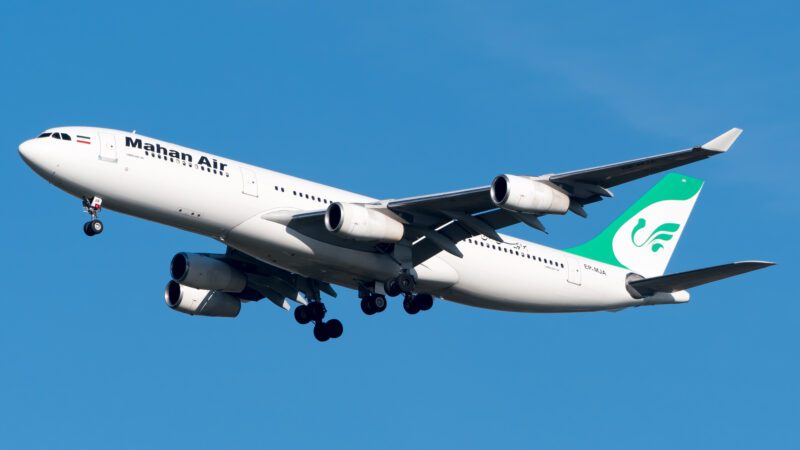
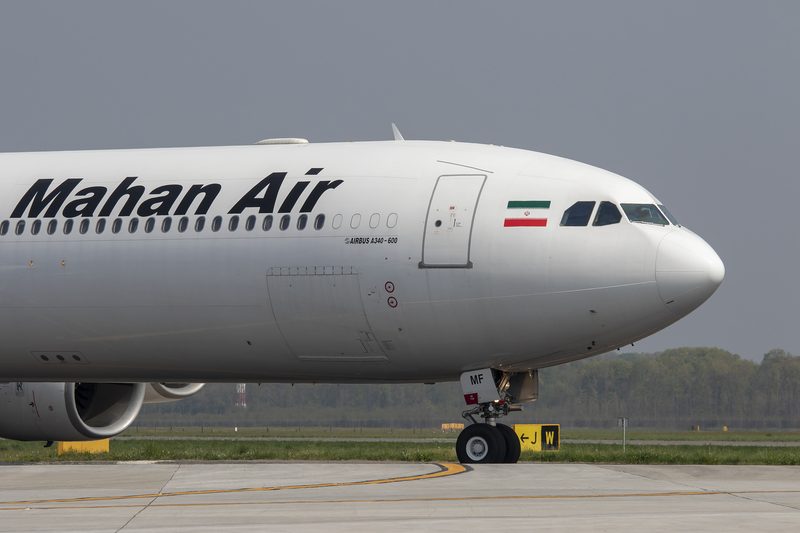
Those include Iran Air, Mahan Air, Caspian Air, Meraj Air, Pouya Air, Dena Airways, and Qeshm Fars Air, among others.
In recent years, U.S. measures have also targeted newer or connected aviation entities, including Yazd International Airways.
The impact is broad.
Sanctions exposure can affect financial services, reservations, ticketing, freight handling, aircraft parts, maintenance, catering, ground handling, refueling, interline agreements, and codeshares.
That is why sanctions relief would be so significant.
It would not only allow airlines to buy aircraft. It could reopen the whole support system around airline operations.
The 10% U.S. Content Rule Is Crucial
Iran cannot simply avoid U.S. aircraft by buying European jets.
That is because many non-U.S. aircraft contain U.S.-origin technology, components, avionics, engines, or software.
This issue was clear during the 2016 fleet deals.
When Airbus finalized its Iran Air order, it said OFAC export licenses were required for products containing 10% or more U.S. technology content.
That rule matters because modern aircraft are global products.
An Airbus A320, A330, or A350 may be assembled in Europe, but it can still contain enough U.S.-controlled content to require U.S. authorization for export to Iran.
That is why any future fleet renewal will depend heavily on U.S. sanctions policy.
Without U.S. approval, large-scale aircraft purchases remain extremely difficult.
The JCPOA Fleet Boom Never Fully Happened
There is a clear precedent.
After the 2015 Joint Comprehensive Plan of Action, known as the JCPOA, Iran briefly regained access to the Western aircraft market.
In January 2016, OFAC issued guidance and a licensing policy for commercial passenger aircraft and related parts and services.
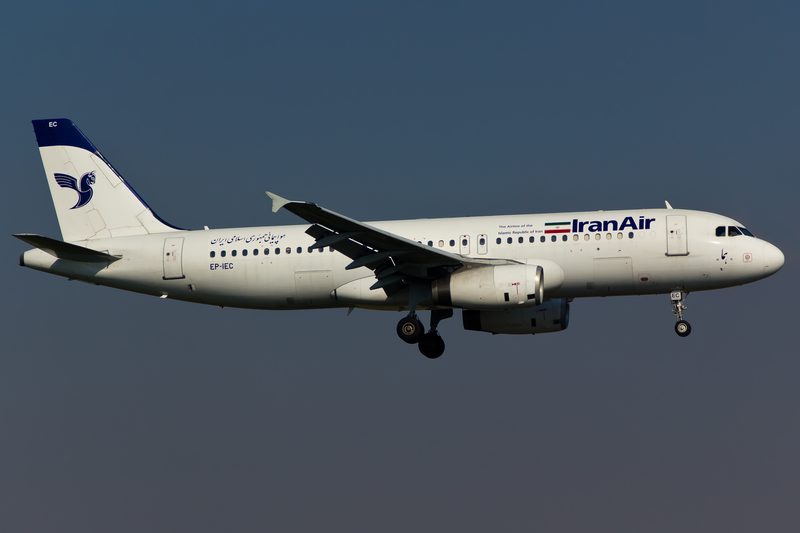
Iran Air then placed huge orders.
Airbus signed a firm contract for 100 aircraft. The order covered 46 A320-family aircraft, 38 A330-family aircraft, and 16 A350 XWB aircraft.
Boeing announced an agreement for 80 aircraft. That included 50 737 MAX 8s, 15 777-300ERs, and 15 777-9s.
ATR also signed a deal with Iran Air for 20 ATR 72-600 turboprops, plus 20 options.
The promise was enormous.
The result was much smaller.
Only a limited number of aircraft were delivered before U.S. sanctions returned in 2018. Airbus delivered a small number of jets, including an A321 and A330-200 aircraft. ATR delivered 13 of its 20 firm turboprops. Boeing delivered none.
That history will shape how manufacturers approach any new opening.
Manufacturers Will Be Cautious
If sanctions relief is confirmed, Iran will again be a tempting market.
It needs aircraft across several categories.
Iranian airlines would likely need narrowbodies for domestic and regional routes. They would also need widebodies for long-haul flights to Europe, Asia, and the Middle East.
Aircraft such as the Airbus A320neo family, Airbus A330neo, Airbus A350, Boeing 737 MAX, Boeing 787 Dreamliner, and regional turboprops could all be relevant.
But manufacturers will not rush blindly.
They will want durable licenses, financing clarity, payment channels, insurer support, political stability, and confidence that sanctions will not snap back quickly.
The 2016–2018 experience is a warning.
Aircraft deals take years to deliver. Political windows can close faster than production slots arrive.
Lessors May Move Before Manufacturers
Aircraft lessors could become important before big new orders happen.
Iranian airlines may need capacity quickly. New aircraft delivery slots are limited, and both Airbus and Boeing have long backlogs.
Used aircraft may therefore be more realistic at first.
That could include Airbus A320-family aircraft, older A330s, Boeing 737NGs, Boeing 777s, or regional aircraft.
However, lessors will face the same compliance questions.
They will need sanctions clarity, payment channels, insurance, export approvals, and confidence that aircraft can be repossessed if needed.
They will also need to know whether the aircraft contains U.S.-controlled content requiring authorization.
That makes any leasing comeback possible, but complex.
Maintenance Access May Matter Most
Fleet renewal gets the headlines. Maintenance may matter more in the short term.
Iranian airlines have long struggled to source approved parts and services.
OFAC has repeatedly warned that Iran has used third-country intermediaries and deceptive practices to obtain U.S.-origin aircraft parts.
If sanctions are lifted, airlines could regain legal access to parts, maintenance, repair services, software updates, engine support, and technical documentation.
That could improve safety and reliability even before large numbers of new aircraft arrive.
For Iran’s existing fleet, access to parts could be transformative.
Aircraft that are parked for lack of components may become easier to return to service. Airlines could also reduce reliance on unofficial supply channels.
That would be one of the most immediate aviation benefits of real sanctions relief.
International Routes Could Recover
Sanctions relief could also reshape international networks.
Iran Air and other Iranian airlines have long maintained limited international flying, especially to nearby markets and selected European points.
But sanctions have affected refueling, ground handling, sales, banking, aircraft insurance, and overflight-related services.
If those restrictions ease, Iranian airlines could rebuild more routes.
European service could be an early focus. Regional flights to the Gulf, Turkey, Central Asia, South Asia, and the Caucasus could also grow.
Foreign airlines may also reassess Tehran service.
Major European carriers returned after the JCPOA period, but many later withdrew as sanctions returned and commercial conditions worsened.
If the political environment stabilizes, foreign airline interest could return.
Banks And Insurers Will Decide The Pace
Aircraft cannot move without finance and insurance.
Even if sanctions are lifted on paper, banks and insurers may remain cautious.
They will need to know exactly which entities are delisted. They will also need clear guidance on permitted transactions.
This matters because aviation is capital-intensive.
Aircraft purchases, leases, engines, spares, maintenance programs, and airport services all require international payments.
If banks remain reluctant, aviation recovery will be slower.
That was one of the lessons of the JCPOA period. Legal openings do not always translate into easy commercial execution.
A Final Deal Is Still Required
The reported MOU is only the beginning.
The text gives the United States and Iran up to 60 days to negotiate a final agreement, extendable by mutual consent.
According to The Guardian, senior U.S. officials described broad sanctions relief as tied to the nuclear settlement.
That means Iran’s aviation sector may not see full relief unless the final deal holds.
The risk is obvious.
If talks fail, sanctions could remain in place or tighten again. If talks succeed, airlines, manufacturers, lessors, banks, and airports could move quickly to reassess Iran.
For now, the aviation industry will be watching the legal details.
The Opportunity Is Huge, But So Is The Risk
Iran’s airline market is large.
The country has around 90 million people, major cities, long domestic distances, and strong demand for international travel.
Its aircraft needs are also substantial.
Years of sanctions have left many airlines with older fleets and limited access to reliable maintenance channels.
That creates a major opportunity for aircraft manufacturers, lessors, MRO providers, engine companies, and parts suppliers.
But the risk remains high.
Any deal must survive politics in Washington and Tehran. It must also survive regional security issues, banking caution, and the possibility of future sanctions snapback.
Aviation companies will not forget what happened after 2018.
Bottom Line
A reported U.S.–Iran framework could eventually reopen one of the world’s most constrained aviation markets.
If a final deal is reached, Iranian airlines may regain legal access to aircraft, spare parts, maintenance support, financing, insurance, and international partnerships.
That would be a major shift for airlines such as Iran Air, which has been heavily restricted since U.S. sanctions were reimposed in 2018.
But nothing changes fully yet.
The reported MOU creates a path toward broad sanctions termination. It does not instantly remove every aviation restriction.
For aircraft manufacturers and lessors, the opportunity is large. Iran needs fleet renewal, and its airline market has been underserved for years.
For now, the industry will wait for the final text, OFAC guidance, licensing details, and formal sanctions-list changes.
If those pieces arrive, Iranian aviation could begin its biggest reopening since the JCPOA. If they do not, the current restrictions will continue to define the market.
Keep reading FlyMag
Get the Daily Brief in the morning or the Route Watch weekly recap on Fridays. Or both.