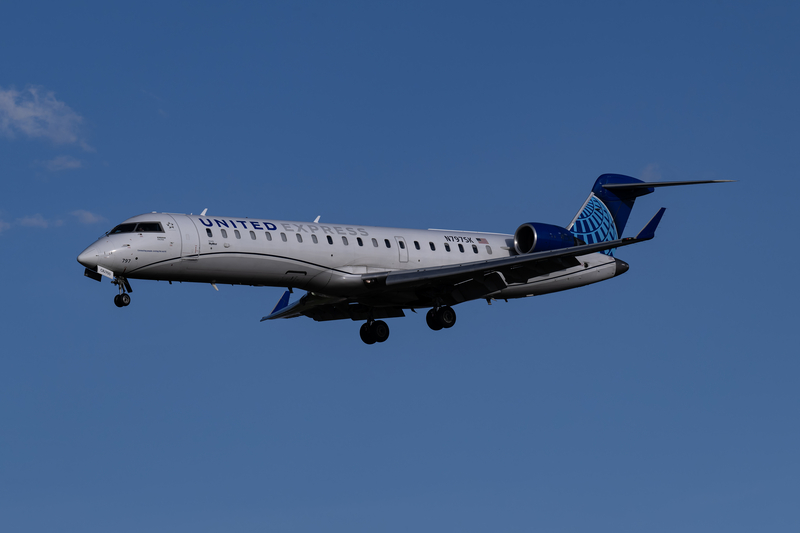
United Airlines may have just given itself a structural option it has lacked for years: the ability to create or acquire a controlled regional airline to operate under the United Express banner.

The key point is that this is not a formal launch announcement. It is a contractual opening embedded in United’s new tentative agreement with the Association of Flight Attendants-CWA. If ratified, the deal would allow the Chicago-based carrier to own or control a regional operator in a way it does not today.
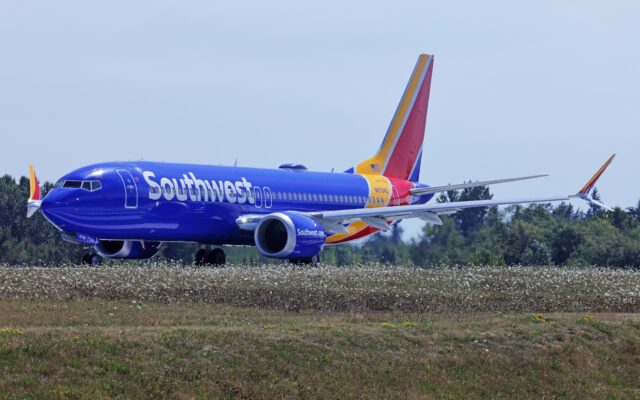
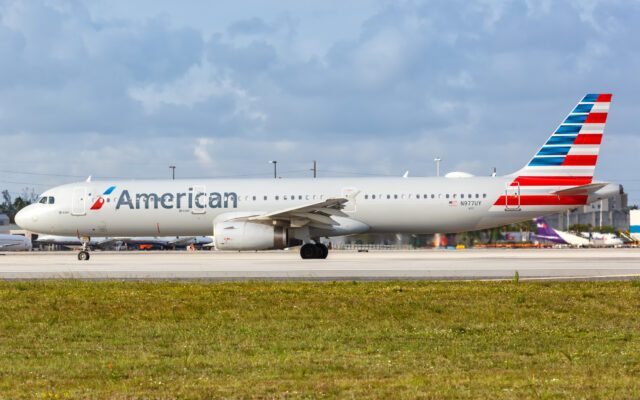
That matters because United has long stood apart from its two biggest domestic rivals on this front. Delta Air Lines owns Endeavor Air. American Airlines has Envoy Air, Piedmont Airlines, and PSA Airlines. United, by contrast, has relied on independently owned United Express partners rather than a wholly owned in-house regional platform.
Read our stories in your inbox
Two aviation newsletters. Zero fluff.
The Provision Matters More Than the Headline Suggests
At first glance, this may look like an obscure labor-contract detail. It is not.
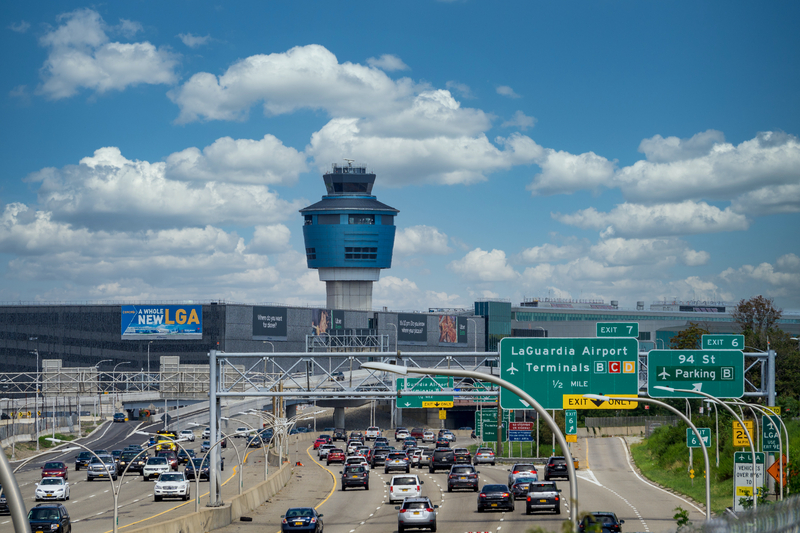
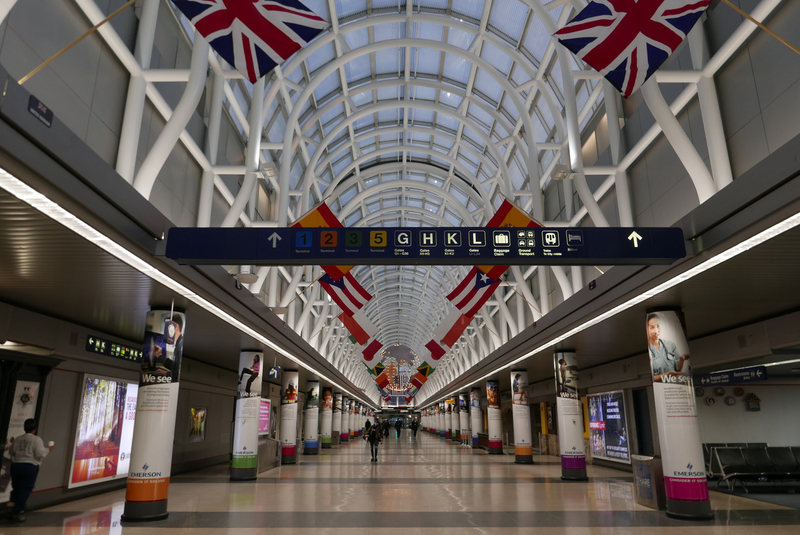
Regional airlines remain a critical part of the network architecture for large U.S. carriers, especially at hubs such as Chicago O’Hare International Airport (ORD), Denver International Airport (DEN), Newark Liberty International Airport (EWR), Washington Dulles International Airport (IAD), and Houston George Bush Intercontinental Airport (IAH). That is where smaller regional jets feed traffic into the larger mainline system and help maintain service to thinner markets.
For United, not owning a regional carrier has always meant less direct control over one of the more delicate parts of its network. The airline can contract, invest, and influence. But ownership is different. Ownership offers deeper control over staffing, fleet planning, operational standards, and long-term strategic direction.
That is why this clause is important even if United never uses it. It gives management another option at a time when regional flying in the United States remains operationally tight and strategically valuable.
This Does Not Mean United Is About to Launch a New Airline
The most important correction to the supplied framing is this: the agreement does not prove that United is actively building a new subsidiary right now.
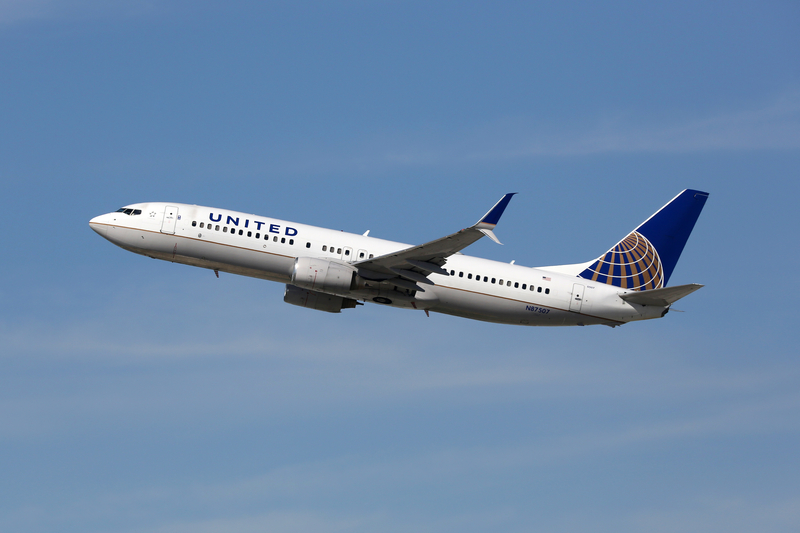
What it does is remove a barrier that previously limited that possibility. United has not publicly announced a plan to create or buy a wholly owned regional airline. No fleet, launch timeline, or acquisition target has been identified. So the honest framing is that United now appears to have the contractual right to do it, not that it has committed to doing it.
That distinction matters, especially in aviation, where labor-agreement language often creates optionality years before management decides whether to use it.
Pilot Scope Still Remains the Real Governor
There is another nuance that makes this more interesting.
According to the flight attendants’ own contract materials, the new language does not expand the total amount of regional flying United can do. That remains controlled primarily by the pilot scope clause, which sets limits on how much United Express flying can exist, what aircraft sizes can be used, and where that flying can be deployed.
In other words, this is not a backdoor way to flood the network with more outsourced or lower-cost regional capacity. It is more about changing who could own and control that flying within the boundaries that already exist.
That is an important point for industry readers. The strategic value here is not unlimited expansion. It is tighter organizational control over regional capacity that United is already allowed to have.
United Express Is Already a Patchwork Operation
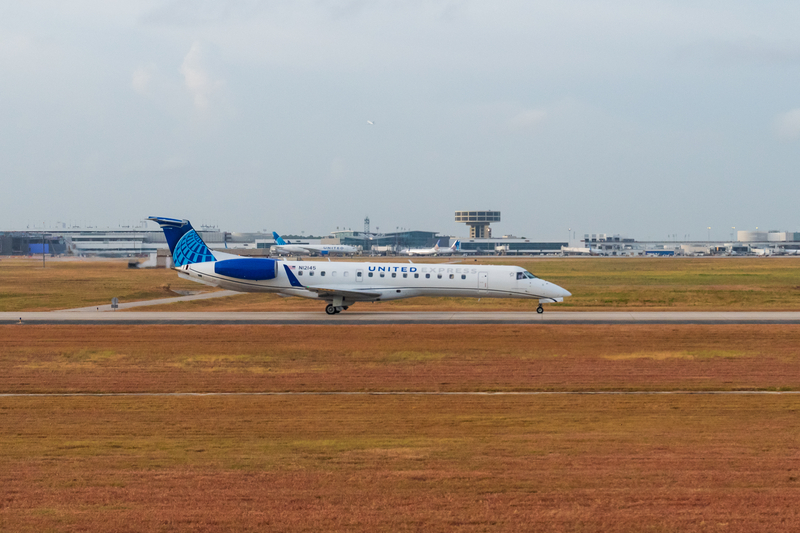
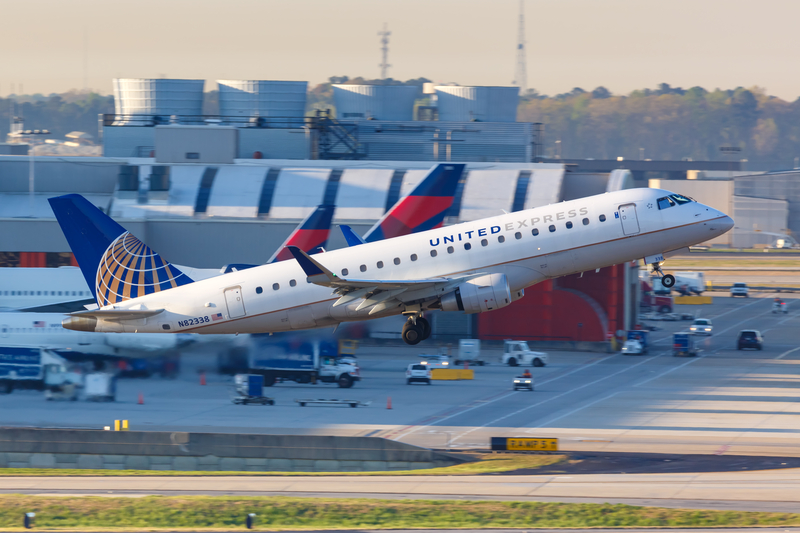
Today, United Express is operated by a mix of independent regional partners, including CommuteAir, GoJet Airlines, Mesa Airlines, Republic Airways, and SkyWest Airlines.
That model has worked, but it also creates complexity. Different operators mean different labor structures, different fleet subtypes, different training pipelines, and varying operational performance. In a regional market already shaped by pilot shortages, crew imbalances, and tight economics, that can be a hard system to optimize perfectly.
The fleet itself shows why the segment still matters. United Express flying includes aircraft such as the Embraer ERJ145, CRJ550, and Embraer 175. These are not glamorous airplanes, but they remain essential tools for feeding smaller cities into the broader United network.
A wholly owned regional carrier would not eliminate that complexity overnight, but it could give United a cleaner way to manage a larger share of it.
The Ownership Picture Is Also More Nuanced Than It First Appears
One part of the original draft also needed tightening.
It is true that United already has minority investments in parts of its regional ecosystem, but those stakes are not the same as control. United owns 40% of CommuteAir, which is significant but not a majority position. And after the Republic-Mesa merger, United’s stake in Republic rose to roughly 22.3%, which is materially higher than simply “over 10%.”
Those holdings show that United has already been moving closer to the regional side of the business without actually bringing it in-house. This new labor provision therefore looks less like a radical change of direction and more like the next logical step in a strategy that had already been inching toward greater influence.
Why United Might Want This Option Now
The broader strategic case is fairly easy to see.
Regional flying has become harder to secure, harder to staff, and harder to operate consistently than it was a decade ago. At the same time, United has been trying to sharpen its hub structure, grow in smaller Midwestern and secondary markets, and keep United Express aligned with the rest of the airline’s network ambitions.
A wholly owned regional carrier could help on several fronts. It could give United more direct oversight of reliability, more leverage over fleet and crew deployment, and a potentially stronger hand in shaping its feeder network over the long term.
That does not automatically mean it would be cheaper. In fact, ownership can bring its own costs and labor sensitivities. But it does mean United could have more control at a time when control has become more valuable.
Bottom Line
United’s new tentative flight attendant agreement does not announce a new regional airline. But it does quietly create the possibility for one.
That is the real significance. If the agreement is ratified, United would have the contractual room to create or acquire a controlled regional carrier for United Express flying, something it has long lacked compared with Delta and American.
For now, it is best understood as strategic optionality, not an imminent launch. But in airline planning, optionality often matters almost as much as action. And in this case, United has just given itself a new one.
Keep reading FlyMag
Get the Daily Brief in the morning or the Route Watch weekly recap on Fridays. Or both.