EU Bans Air Express Algeria As Kyrgyz Airlines Return From 20-Year Blacklist
The European Commission has updated the EU Air Safety List, adding one Algerian carrier while removing all airlines certified in Kyrgyzstan.
The latest update creates two very different outcomes.
Air Express Algeria has been banned from operating to, from, within, or over the European Union. At the same time, Kyrgyzstan’s airlines have been removed from the list after nearly 20 years of restrictions.
Read our stories in your inbox
Two aviation newsletters. Zero fluff.
The decision shows how the EU blacklist works. It can block individual airlines when inspectors find serious concerns. It can also remove a whole country when safety oversight improves.
Air Express Algeria Added To The EU Blacklist
Air Express Algeria is the newest airline on the EU Air Safety List.
The European Commission said the carrier can no longer operate in the EU. The decision followed assessments by EU aviation safety experts.
According to the Commission, those assessments found “serious safety concerns.” They also identified shortcomings in the airline’s compliance with international safety standards.
The EU did not publish every technical finding behind the decision. That is normal for this type of safety action. Regulators often release the result, not the full inspection file.
Still, the outcome is clear. Air Express Algeria is now barred from EU airspace.
This Is Not A Ban On Algeria
The scope of the decision is important.
This is not a blanket ban on Algeria’s aviation sector. It applies specifically to Air Express Algeria.
That means the action does not affect other Algerian operators, such as Air Algérie, which continues to operate scheduled international passenger flights.
Air Express Algeria is also a very different type of airline from a national flag carrier. The company describes itself as an aviation provider for Algeria’s oil and gas industry.

Its services include personnel transport, medical evacuation, VIP transport, and light cargo. It is based around Hassi Messaoud, with operations tied closely to Algeria’s energy sector.
That makes this a targeted safety measure, not a broad action against Algerian commercial aviation.
A Small Operator With A Specialized Role
Air Express Algeria is not a large scheduled passenger airline.
The company has focused on specialized operations, including charter work and support for oil and gas companies. Its activity is linked to remote industrial regions where air transport is often essential.
That type of operation can involve different aircraft from the jets used by scheduled passenger airlines.
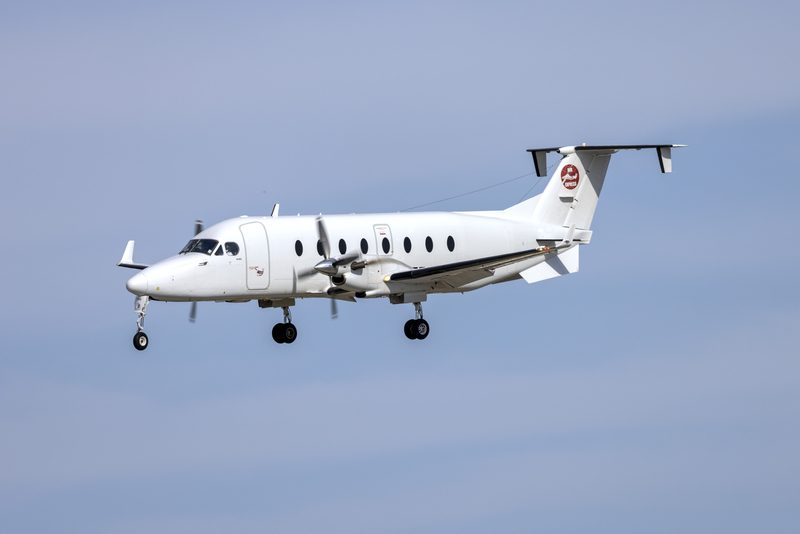
Public fleet references have previously linked Air Express Algeria with utility aircraft such as the Beechcraft 1900D and Let L-410 family. These are smaller turboprop aircraft designed for regional, remote, or short-field operations.
Those aircraft types make sense for the carrier’s business model. They can serve smaller airports and industrial sites more easily than larger jets.
The EU ban does not say that a specific aircraft type caused the problem. The issue is the airline’s safety compliance as assessed by EU aviation experts.
Kyrgyz Airlines Removed After Two Decades
The update also brings major good news for Kyrgyzstan.
All air carriers certified in Kyrgyzstan have been removed from the EU Air Safety List. The country’s airlines had been restricted for years because of concerns about national aviation safety oversight.
The European Commission said the removal recognizes Kyrgyzstan’s progress in strengthening aviation safety supervision over the past 20 years.
That is a major milestone.
Kyrgyzstan is a mountainous country where air transport plays an important role. Domestic and regional flying helps connect communities that are separated by difficult terrain.
The decision could also improve the international standing of Kyrgyz carriers such as Aero Nomad Airlines, Asman Airlines, Avia Traffic Company, and TezJet.
Removal Does Not Mean Instant Europe Flights
The removal is important, but it does not automatically create new routes to Europe.
Kyrgyz airlines are no longer banned by the EU Air Safety List. However, any airline that wants to operate commercial service to the EU must still meet normal European requirements.
That includes route rights, airport slots, aircraft availability, and commercial demand. It also includes EASA Third Country Operator authorization where required.
In other words, Kyrgyz carriers now have a path forward. But they still need approvals before launching flights to EU airports.
This is still a major change. For nearly two decades, that path was effectively blocked.
Why The EU Air Safety List Matters
The EU Air Safety List is one of the world’s most visible aviation safety tools.
It was first published in 2006. It identifies airlines that are banned or restricted because they do not meet international safety standards.
The list applies to airlines operating to, from, within, or over EU territory. It can also include airlines that do not currently fly to Europe.
That last point matters. The list is not only about current EU routes. It also warns passengers about airlines that regulators believe do not meet the required safety level.
The European Union Aviation Safety Agency supports the process. EU Member State aviation safety experts also review the evidence through the EU Air Safety Committee.
Country-Wide Bans And Airline-Specific Bans
The EU list has two main types of action.
First, the EU can ban all airlines certified in a particular country. That usually happens when regulators believe the national aviation authority cannot provide proper safety oversight.
Second, the EU can ban a specific airline. That happens when concerns are tied to one carrier rather than a whole country.
Air Express Algeria falls into the second category. The action targets one airline.
Kyrgyzstan’s removal is the opposite. It reflects progress at the national oversight level, which allowed all Kyrgyz-certified airlines to come off the list.
That contrast is what makes this update important.
More Than 150 Airlines Remain Banned
Even after Kyrgyzstan’s removal, the list remains large.
The European Commission says 154 airlines are currently banned from EU skies. That includes 126 airlines certified in 16 states where regulators found inadequate safety oversight.
It also includes 22 airlines certified in Russia. In addition, six individual airlines from other countries are banned because of serious safety deficiencies.
Those individual airlines now include Air Express Algeria.
Two other carriers face partial restrictions rather than full bans. Iran Air and Air Koryo may operate to the EU only with specific approved aircraft types.
That distinction is important. Not every airline on the EU list faces the same restriction.
A Safety Tool With Commercial Impact
Being added to the EU Air Safety List has serious commercial consequences.
A banned airline cannot operate its own aircraft into EU airspace. It also suffers reputational damage, even if it does not fly many European routes.
For charter, cargo, and specialized operators, the impact can still be significant. Some customers may require access to Europe or may view an EU ban as a major compliance concern.
Removal from the list can have the opposite effect.
For Kyrgyzstan, the decision improves the country’s aviation reputation. It may also help attract airline investment, leasing interest, tourism demand, and future route development.
However, it will take time before that regulatory progress turns into new European flights.
Bottom Line
The European Commission’s latest Air Safety List update brings one ban and one breakthrough.
Air Express Algeria has been added to the list and can no longer operate in EU airspace. The Commission says the decision followed serious safety concerns found during expert assessments.
At the same time, all airlines certified in Kyrgyzstan have been removed from the list. That ends nearly two decades of EU restrictions and marks a major step forward for the country’s aviation sector.
The update also shows how the EU system is designed to work.
It can punish airlines that fail to meet international safety standards. But it can also reward countries that improve oversight and rebuild regulatory confidence.
For Air Express Algeria, the next step is clear: address the safety concerns and satisfy regulators. For Kyrgyzstan, the door to Europe is open again, but airlines will still need aircraft, approvals, and commercial demand before new EU routes become reality.
Keep reading FlyMag
Get the Daily Brief in the morning or the Route Watch weekly recap on Fridays. Or both.