Qantas Returns Final Stored Airbus A380 To Service After Six-Year Hiatus
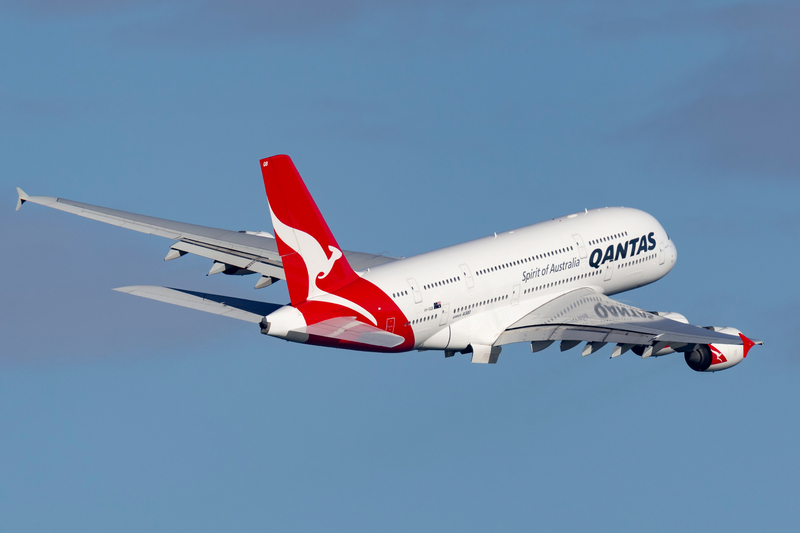
Qantas has brought its last stored Airbus A380 back into service, nearly six years after it was parked at the start of the pandemic. The aircraft, registered VH-OQC and named “Paul McGinness” after one of the airline’s founders, will initially act as an operational spare before taking up regular duties on the carrier’s ultra-long-haul Sydney–Dallas/Fort Worth route next year.

Getting the jet flying again has been a huge engineering milestone for the airline, requiring what Qantas describes as the most extensive maintenance check in its 105-year history, with more than 100,000 labor hours invested. With VH-OQC’s return, all 10 remaining A380s in the Qantas fleet are now back in commercial service.
Final Qantas A380 Comes Home
Flight tracking data from Flightradar24 shows VH-OQC touching down at Sydney Kingsford Smith Airport (SYD) on Friday morning, marking its first time back in Australia in almost 2,000 days.
Read our stories in your inbox
Two aviation newsletters. Zero fluff.
The aircraft was withdrawn from service in early 2020 as international travel collapsed, initially sent to Victorville (VCV) in the California desert before being moved into long-term storage in Abu Dhabi (AUH).
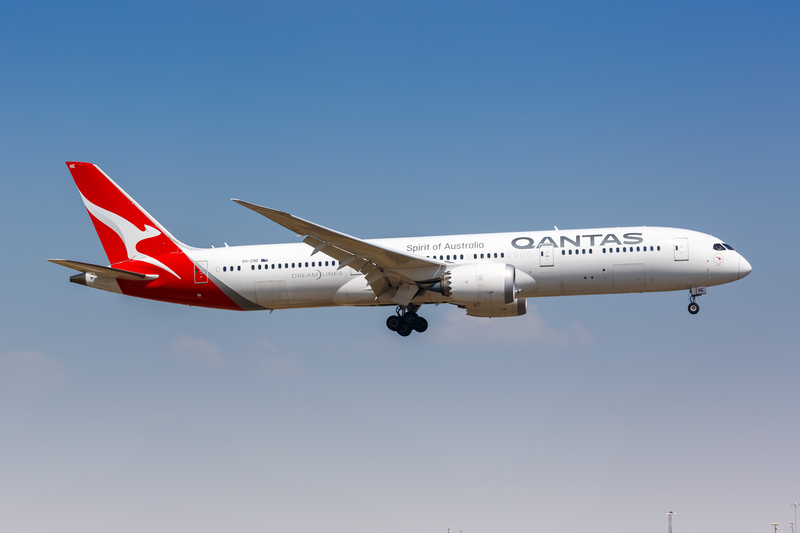
Delivered to Qantas in December 2008 as the airline’s third A380, VH-OQC:
-
Is powered by four Rolls-Royce Trent 900 engines
-
Has accumulated over 50,000 flight hours
-
Has completed around 4,400 flight cycles, according to ch-aviation
Qantas CEO Cam Wallace highlighted the aircraft’s importance to the network, stating:
“We know our customers love our A380 aircraft and last year our superjumbo fleet carried over 1 million people on our international network. The return of our final A380 means we can offer even more seats on popular long-haul routes to destinations like Dallas, Singapore and Johannesburg.”
Qantas’ Biggest-Ever Maintenance Check
Bringing VH-OQC back from deep storage was far more than a routine heavy check. After nearly six years out of service, engineers needed to:
-
Complete an extensive structural and systems inspection
-
Replace major items including landing gear
-
Fully refurbish the cabin to Qantas’ latest A380 interior standard
In total, Qantas says more than 100,000 hours of work went into the project, making it the single largest maintenance event in the airline’s history.
The airline originally operated 12 A380s, but only 10 have been returned to service. The remaining two aircraft — VH-OQE and VH-OQF — have been stripped for parts, an important source of components now that A380 production ended in 2021 and spares are harder to come by.
Updated Cabin & Configuration
Like the rest of the reactivated A380 fleet, VH-OQC now features Qantas’ refreshed four-class layout and upgraded interiors, including an enhanced upper-deck lounge. The current configuration offers:
-
14 First
-
70 Business
-
60 Premium Economy
-
341 Economy
This represents a notable shift toward more premium seats compared to the original layout, reflecting strong demand on long-haul routes and the airline’s strategy to grow high-yield cabins.
What’s Next For VH-OQC?
In the short term, VH-OQC will act as an operational spare, giving Qantas more flexibility over the busy Christmas and southern summer travel period. From January 2026, the aircraft will slot into regular rotation and allow Qantas to operate the Sydney–Dallas/Fort Worth (SYD–DFW) route with the A380 on a daily basis.
The SYD–DFW pairing is currently the world’s longest A380 route by block time, with the return leg from Dallas scheduled at around 17 hours 25 minutes. Alongside Dallas, Qantas also regularly deploys its A380s to Johannesburg, London, Los Angeles, and Singapore.
Despite their age and four-engine fuel burn, Qantas’ superjumbos still have a long runway ahead. Under the airline’s current fleet plan, the A380s are expected to remain in service into the next decade, with gradual retirements beginning around 2032. For now, the type remains central to Qantas’ highest-demand, long-haul routes — and VH-OQC’s return means the full A380 fleet is finally back where many passengers like it best: in the air.
Keep reading FlyMag
Get the Daily Brief in the morning or the Route Watch weekly recap on Fridays. Or both.