United Airlines will have to keep defending a proposed class action over “window seats” that allegedly did not have windows, after a federal judge rejected the carrier’s attempt to dismiss the case.

The ruling, issued by U.S. District Judge James Donato in San Francisco, does not mean United Airlines has been found liable. It means the plaintiffs have alleged enough for key breach claims to move forward. That distinction matters. This is still an early-stage legal fight, but it is one with broader implications for airline seat maps, ancillary fees, aircraft cabin layouts, and how clearly airlines must describe the products they sell.
The case centers on a deceptively simple question: when an airline sells a seat as a “window” seat, is it promising only that the seat is next to the cabin wall, or is it also promising that the passenger will have an actual exterior window?
Read our stories in your inbox
Two aviation newsletters. Zero fluff.
United argued that “window” describes the seat’s position in the cabin, not a guaranteed view. Judge Donato was not prepared to accept that argument at the dismissal stage. According to Reuters, he pointed to United’s ticketing terms, boarding passes, and reservation screens, which the plaintiffs say represented the seats as window seats. The judge concluded that was enough for the breach claims to proceed.
Why This Case Matters Beyond One Bad Seat
The lawsuit is about more than a passenger being disappointed by a blank sidewall.
Modern airlines increasingly sell the cabin in pieces. The base fare gets the passenger on the aircraft. The better seat, earlier boarding, larger carry-on allowance, extra legroom, checked bag, lounge visit, Wi-Fi, and premium cabin upgrade are often monetized separately. That system works only if customers understand what they are buying.
That is why a “windowless window seat” becomes a larger consumer issue. If a passenger pays extra for a seat labeled “window,” the plaintiffs argue that the seat should reasonably include a window. United’s defense is that the label describes the seat’s side-of-aircraft position rather than a view outside.
For airline professionals, the case touches a central tension in ancillary revenue: airlines want flexibility in how they price and package seats, but the more granular the product becomes, the more precise the disclosure has to be.
The Aircraft Behind the Dispute
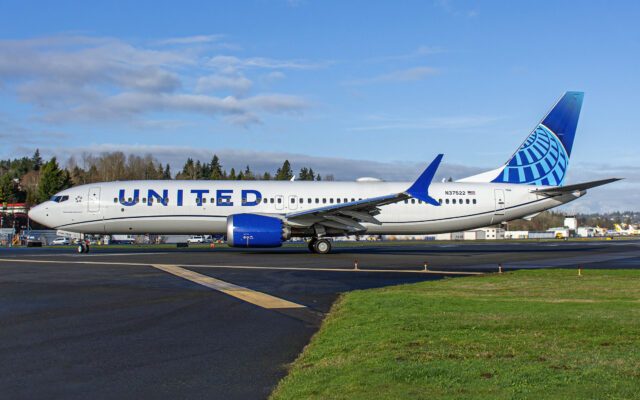
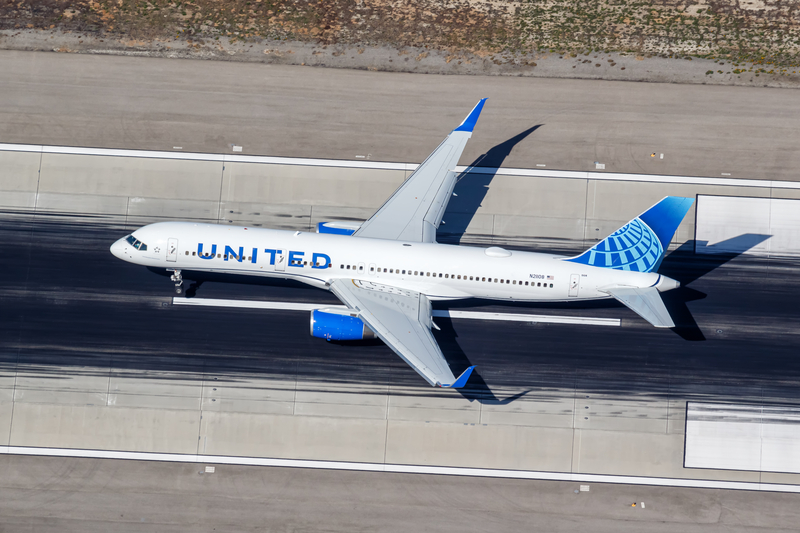
The aircraft types named in the broader litigation are familiar workhorses of U.S. domestic and short-haul international flying: the Boeing 737, Boeing 757, and Airbus A321 families. Reuters reported that the lawsuits against United and Delta involve seats on Boeing 737, Boeing 757, and Airbus A321 aircraft where passengers allegedly found themselves next to a blank cabin wall rather than a window.
That does not mean these aircraft are flawed or unsafe. It reflects a cabin-design reality. Windows are built into the fuselage structure, while seat rows are installed according to each airline’s cabin layout, seat pitch, exits, ducts, lavatories, galleys, and other interior systems. When those elements do not line up perfectly, a wall-adjacent seat can end up between windows or next to a section of sidewall where no window exists.
The complaint against United points specifically to air conditioning duct placement on some Boeing 737 configurations and to mid-cabin overwing exit areas or door-plug areas on certain Airbus A321-family layouts. It alleges that seats such as 10A, 11A, or 12A can be affected depending on the aircraft configuration.
Why Boeing 737 Windowless Seats Exist
The Boeing 737 issue is especially well known among frequent flyers. The complaint cites the explanation given by Alaska Airlines: on 737 aircraft, one row on the left side can lack a window because Boeing places air conditioning riser ducts behind the cabin sidewall, preventing a window from being installed in that row.
That is an important technical point. The missing window is not usually the result of a broken aircraft or a last-minute substitution. It is often baked into the aircraft’s cabin architecture and system routing. The airline knows, or should be able to know, which rows lack windows on each aircraft layout.

United publishes aircraft-specific seat maps for types such as the Airbus A321neo, Boeing 737-900, and Boeing 757-200. The legal question is not whether United has seat maps. It is whether the booking process clearly told passengers when a paid “window” seat did not actually have a window.
The Fees Are Not Trivial
The complaint alleges that passengers may pay extra cash, use rewards-program value, apply credit-card benefits, or buy higher fare bundles to select a preferred seat. It also claims United’s app displayed some “window” seat selections with fees shown in the tens or even more than $100, depending on the itinerary and seat type.
That is why the case has gained attention. A window seat is not always a free preference anymore. It can be part of a paid seat-selection transaction, especially in United Economy Plus, preferred seating, or bundled fare products.
From an airline revenue perspective, seat selection is valuable because it turns cabin geography into revenue. Aisles, windows, exit rows, bulkheads, extra-legroom rows, and forward-cabin economy seats can all carry premiums. From a passenger perspective, once that geography is monetized, the label becomes material.
A passenger paying for a window seat may be doing so for many reasons: the view, natural light, motion-sickness management, anxiety, claustrophobia, child entertainment, photography, or simply personal preference. Reuters reported that the lawsuits cite several of those reasons.
United’s Argument Did Not End the Case
United’s central argument was that “window seat” refers to location: a seat next to the cabin wall rather than an aisle or middle seat. The airline also argued that it had not contractually promised an exterior view.
Judge Donato rejected that position for now. He also rejected United’s argument that federal law preempted the passengers’ claims. That preemption issue matters because airlines often argue that state-law claims related to fares, routes, or services are barred by the Airline Deregulation Act. In this case, the judge allowed the breach claims to continue.
That is not a final ruling on the merits. United can still defend the case, challenge class certification, dispute damages, argue the reasonableness of its disclosures, and contest whether particular passengers were actually harmed. But the airline did not get the quick dismissal it wanted.
United Says It Has Added More Seat Detail
United declined to comment directly on the lawsuit, but told Reuters it has added more detail to its seat-selection process so customers have more information when choosing seats.
That may be the most commercially important development regardless of how the litigation ends. If United now marks or explains windowless window seats more clearly, the practical outcome could be better disclosure across the booking path.
Other airlines have already moved in that direction. The United complaint alleges that competitors including American Airlines and Alaska Airlines disclose when a wall-adjacent seat has “no window view.”
For the industry, this is the low-cost fix: keep selling the seat, but label it accurately. A passenger may still choose a wall-adjacent seat with no view if it has extra legroom, is near the front, keeps a family together, or is the only non-middle option left. The problem arises when the passenger discovers the missing window only after boarding.
Delta Is Facing a Similar Fight
United is not alone. Delta Air Lines was sued in a separate proposed class action in New York over similar allegations. Reuters reported that Delta is seeking dismissal of its case, while the United case is moving forward in San Francisco.
That parallel litigation matters because this is not a one-airline cabin quirk. Windowless window seats exist across multiple fleets because of aircraft design, interior configuration, and airline-specific seating layouts.
Delta, United, American, Alaska, Ryanair, and other carriers operate aircraft where some wall-adjacent seats may not align with windows. The difference is how clearly that information is presented before the customer pays or chooses the seat.
If courts decide that airlines must be more explicit, the impact could spread beyond United and Delta. Seat-map disclosures could become more detailed across the industry, especially for paid seat selection.
The Bigger Issue: Seat Maps Are Now Sales Tools
A seat map used to be mostly informational. Today, it is a sales interface.
Every color, icon, label, and price on that map matters. A blue seat, a preferred seat, an extra-legroom seat, a window seat, a bundle-eligible seat, or a premium-cabin seat is not just a location. It is a product representation.
That is why this case has significance for airlines beyond the dollar amount of a seat-selection fee. If a carrier sells seat attributes individually, it may need to disclose the limitations of those attributes individually as well.
A “window seat” with no window is not necessarily worthless. It may still be better than a middle seat. It may still offer privacy from aisle traffic. It may still be in an extra-legroom row. But it is materially different from a window seat with an actual view, and that difference is exactly what the lawsuit is about.
Why Airlines Should Care Even If United Ultimately Wins
United may still win later. The case could fail at class certification, settle, narrow, or be decided in the airline’s favor. But the reputational issue is already clear.
Passengers understand aircraft substitutions, operational constraints, and cabin quirks when they are explained. They are less forgiving when they believe they paid for one thing and received another. In a market where airlines continue to grow ancillary revenue, transparency is not just a legal defense. It is a commercial necessity.
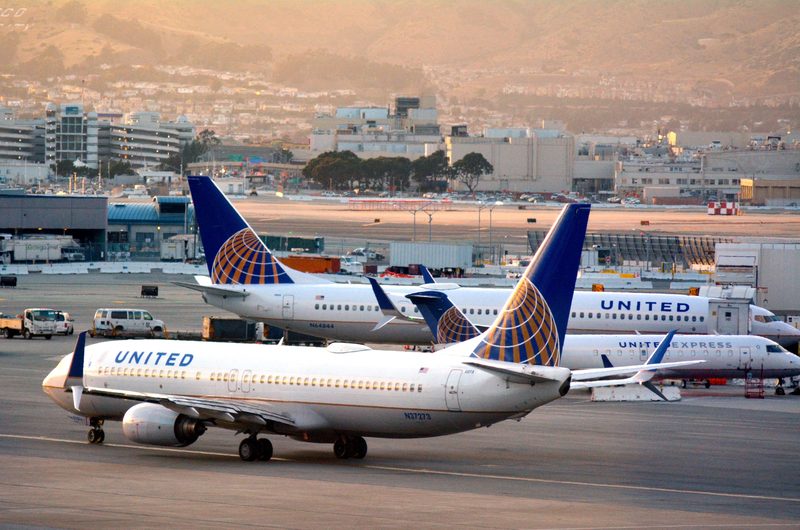
That is especially true at large United hubs such as Chicago O’Hare International Airport (ORD), Denver International Airport (DEN), Newark Liberty International Airport (EWR), Houston George Bush Intercontinental Airport (IAH), and San Francisco International Airport (SFO), where high-frequency domestic operations rely heavily on Boeing 737-family aircraft and other narrowbodies.
The more often passengers encounter paid seat maps, the more important clear seat information becomes.
Bottom Line
United’s “windowless window seat” lawsuit is moving forward because the court was not willing to accept, at the dismissal stage, that a paid “window” seat only means a seat next to the cabin wall. Judge James Donato allowed the breach claims to proceed, pointing to United’s booking and ticketing materials as enough to keep the case alive for now.
The case is still far from a final judgment. United has not been found liable, and the plaintiffs still have to prove their claims. But the ruling puts a spotlight on a real airline-industry issue: seat selection has become a paid product, and passengers expect the labels on that product to mean what they appear to mean.
For airlines, the easiest answer may be the simplest one. If a seat is next to the wall but has no window, say so before the passenger pays.
Keep reading FlyMag
Get the Daily Brief in the morning or the Route Watch weekly recap on Fridays. Or both.