United Airlines is returning to Venezuela after nearly a decade away, restoring nonstop service between George Bush Intercontinental Airport (IAH) and Simón Bolívar International Airport (CCS) in a move that is as much about strategy as it is about route restoration.

The service is scheduled to begin on August 11, 2026, and will operate daily. For United, this is not just another Latin America route launch. It is a re-entry into a market the airline once served for more than 20 years, and one that still carries strong commercial value because of its links to the energy sector, business travel, and cross-border ties between Texas and Venezuela.
Houston Is The Logical City
If United was going to return to Venezuela, Houston was always the most obvious place to do it.
Read our stories in your inbox
Two aviation newsletters. Zero fluff.
Houston is one of the world’s major energy capitals, and that gives the route a much stronger commercial logic than a purely leisure market would have. Venezuela’s oil sector remains the clearest driver behind the service, and that makes IAH–CCS a route with a more specific business rationale than many other Latin American additions.
That does not mean leisure and family traffic will not matter. It just means this route has a clearer business foundation than most.
The Schedule Is Built Around A Long-Haul Narrowbody Mission
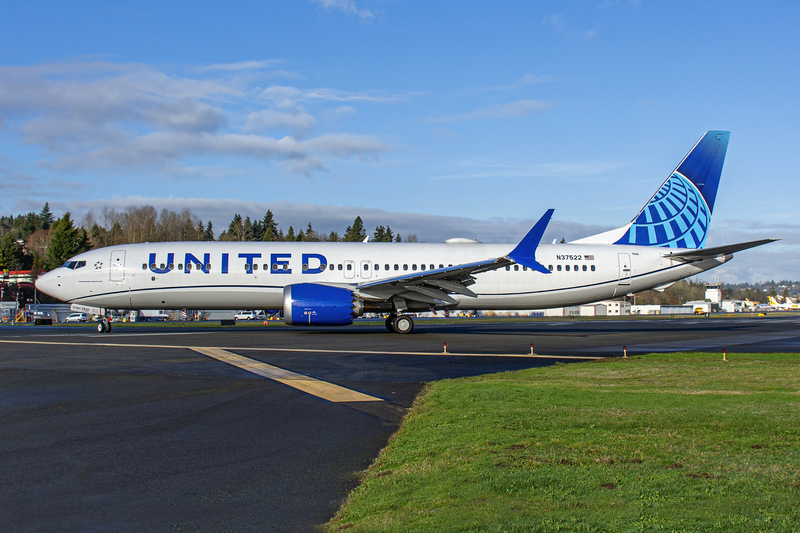
United plans to operate the route with a Boeing 737 MAX 8, using the following schedule:
- UA1046 Houston to Caracas: departs 11:45 p.m., arrives 5:30 a.m.
- UA1045 Caracas to Houston: departs 8:00 a.m., arrives 12:30 p.m.
That is a significant choice. Using the 737 MAX 8 rather than a widebody shows that United sees the market as important, but still best served with disciplined capacity. The aircraft gives the airline the range to operate the route while keeping the economics tighter than a larger jet would require.
It also means the route is being treated as a focused, right-sized international operation rather than a prestige-heavy relaunch.
This Is United’s First Venezuela Service Since 2017
United last flew to Venezuela in June 2017, ending a long run of service that had lasted for more than two decades.
That gap matters because it reflects just how dramatically the U.S.–Venezuela air travel market changed over the past decade. Political instability, security concerns, and later the broader suspension of U.S. commercial passenger flights to Venezuela took the country off the map for U.S. carriers for years.
Now, with that market reopening, United is becoming the second U.S. airline to return after American resumed service from Miami.
American Was Always First — But United Is Following A Different Logic
It is not surprising that American returned before United.
American’s strength in Latin America and its huge Miami presence made it the natural first mover, especially given the scale of Venezuelan demand in South Florida. But United’s return is built around a different kind of logic.
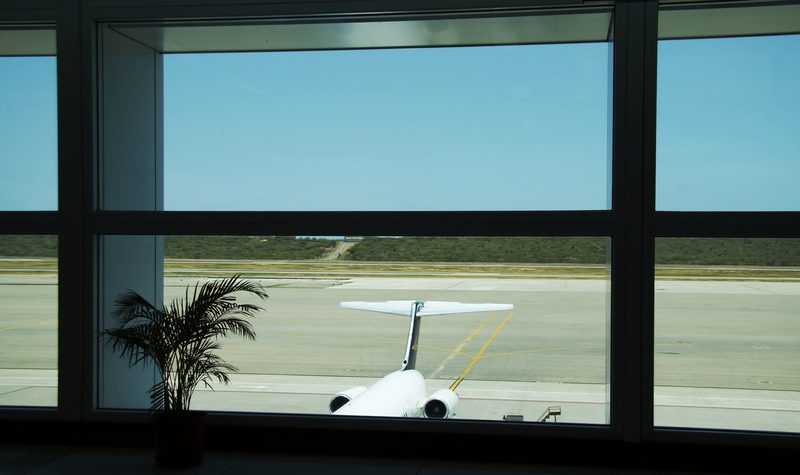
This is not Miami-style Venezuela service. This is Houston–Caracas service, and that means oil, corporate travel, and Texas–Venezuela links are at the heart of the route. In that sense, the market profile is different even if the country endpoint is the same.
Regulatory Approval Still Matters
One important point is that the service remains subject to final government approval.
That is not unusual for a route like this, especially in a market that has only recently reopened to U.S. airline service. But it does mean the launch, while announced and scheduled, still sits inside a regulatory framework that must fully clear before the operation becomes routine.
For now, though, the strategic intent is very clear: United wants back into Venezuela.
Bottom Line
United’s return to Venezuela with daily Houston–Caracas flights from August 11, 2026 is a significant route relaunch, and one that makes the most sense through Houston’s position as a major energy hub. Operated by the Boeing 737 MAX 8, the route is designed less as a broad leisure play and more as a commercially targeted link between two oil-centered markets.
After nearly nine years away, United is back — and this time, the route’s importance is not just historical. It is strategic.