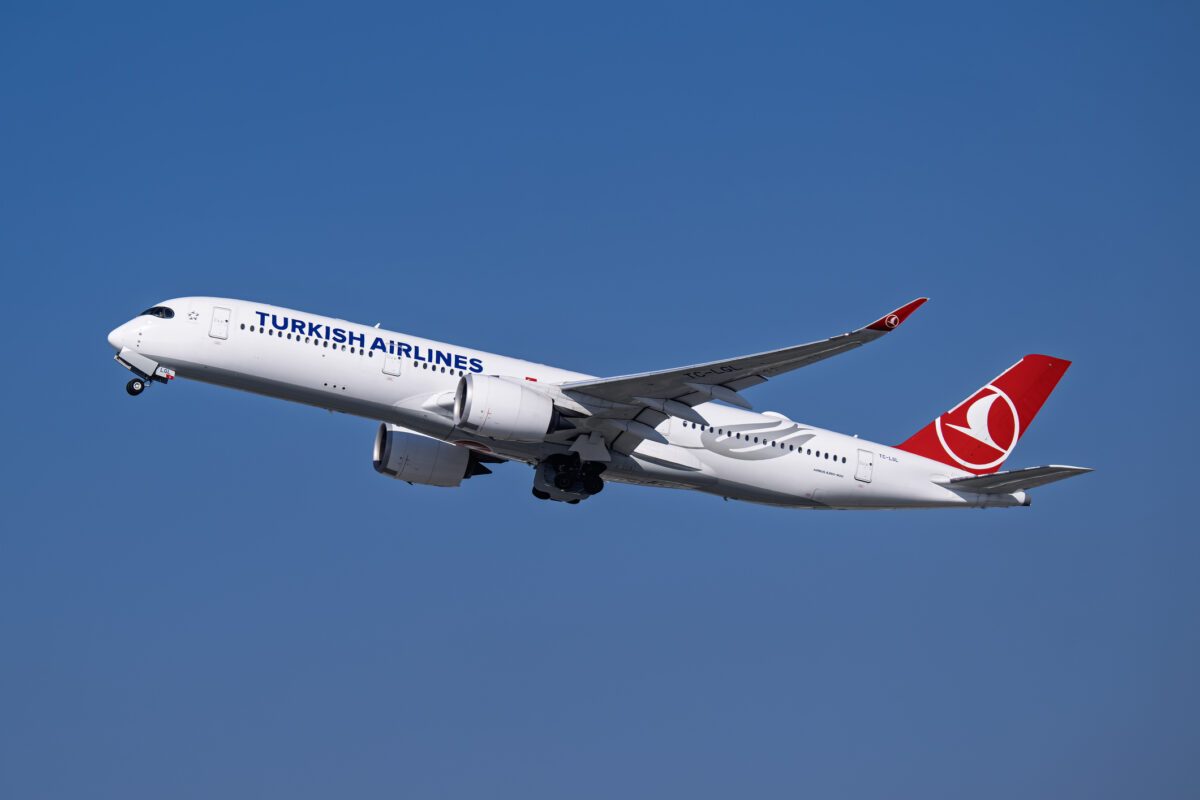
Turkish Airlines has identified Brisbane and Perth as candidates for the next stage of its Australian expansion, although neither city has reached the route-launch stage.
Speaking during an interview at the 2026 Farnborough International Airshow, Turkish Airlines Chairman Murat Şeker pointed to potential demand for nonstop service involving as many as three Australian cities, with Brisbane (BNE) and Perth (PER) among the possibilities.
The comments place both airports in the carrier’s longer-term network planning, rather than its published schedule. Turkish Airlines has not announced frequencies, start dates or an operating sequence for either route. Its immediate Australian priority remains converting its existing Sydney and Melbourne services from one-stop operations to nonstop flights from Istanbul (IST).
Read our stories in your inbox
Two aviation newsletters. Zero fluff.
Australia has moved from experiment to long-term market
Turkish Airlines entered Australia in March 2024 with three weekly flights to Melbourne (MEL) via Singapore (SIN). The Melbourne launch added the sixth inhabited continent to the carrier’s passenger network and gave Turkish Airlines a way to begin building Australian sales without waiting for an aircraft optimized for the full Istanbul sector.
Sydney (SYD) followed in November 2024 through Kuala Lumpur (KUL). The initial service used an Airbus A350-900 configured with 329 seats: 32 in Business Class and 297 in Economy. Sydney Airport said at the route’s inauguration that the one-stop operation was intended to become Australia’s first nonstop link to Türkiye once suitable aircraft entered the fleet.
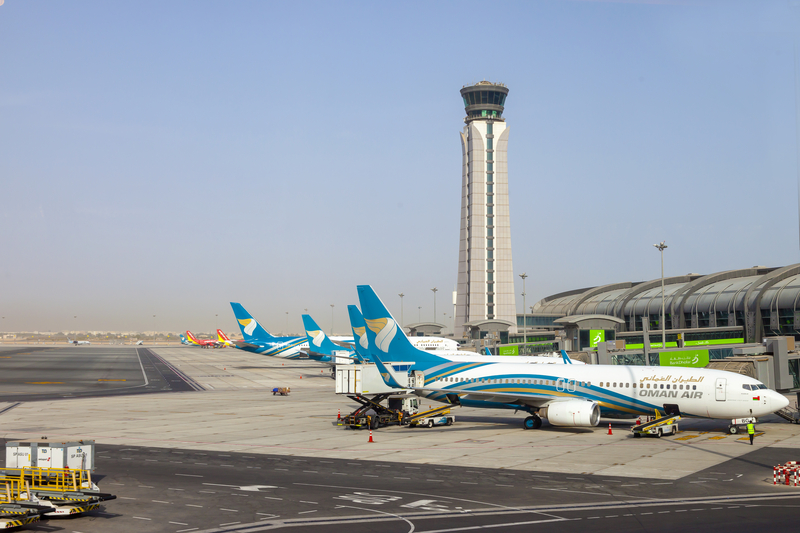
The intermediate stops have allowed Turkish Airlines to establish distribution, corporate accounts and connecting traffic before committing specialized aircraft to sectors lasting roughly 17 to 19 hours. They also reduce the payload and fuel constraints that would affect an east-coast Australia flight operated by the airline’s current widebody fleet.
Brisbane and Perth would broaden that strategy beyond Australia’s two largest international gateways. Perth offers the more manageable stage length because of its position on Australia’s west coast. Brisbane presents a different opportunity: direct access to the Queensland market, but with an ultra-long-haul mission more comparable to Sydney and Melbourne.
The A350-1000 is central to the plan
Turkish Airlines intends to operate its nonstop Australian services with a dedicated group of Airbus A350-1000s. Şeker said six aircraft from the airline’s order would be assigned to ultra-long-haul flying.
The carrier ordered 15 A350-1000s as part of a broader agreement announced in December 2023. The Airbus order also covered 50 A350-900s, five A350 freighters and 150 A321-family aircraft, giving Turkish Airlines a large pipeline of both long-haul and short-haul capacity.
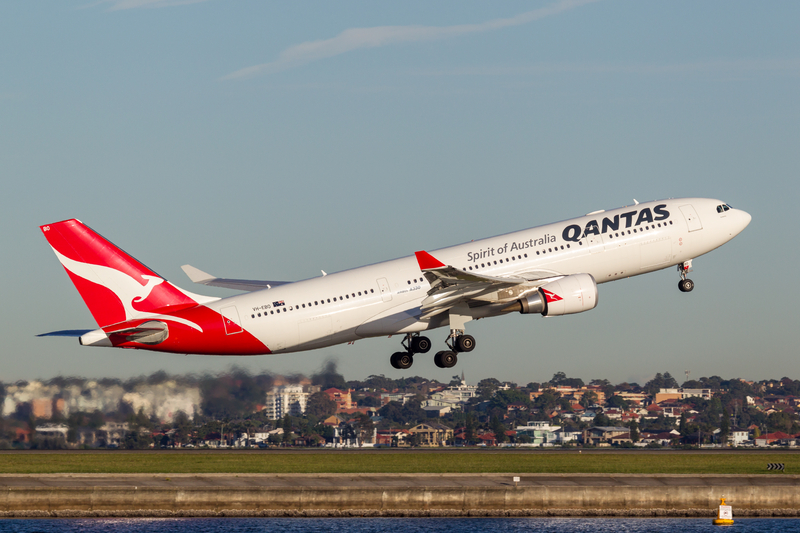
Airbus lists the current A350-1000 with a range of up to 9,100 nautical miles and typical three-class seating for 375 to 400 passengers. The type combines a 324-metric-ton maximum takeoff weight with 168,300 liters of fuel capacity, according to the manufacturer’s published A350-1000 specifications.
A Turkish Airlines aircraft assigned to Australia is unlikely to resemble a standard high-capacity A350-1000. Ultra-long-haul economics favor fewer seats, greater premium capacity and sufficient payload margin for seasonal winds, diversion fuel and cargo. Şeker has also said the airline plans to introduce Premium Economy on the A350-1000 from 2028, restoring an intermediate cabin more than a decade after Turkish Airlines retired its Comfort Class product.
The aircraft choice matters beyond nominal range. A nonstop Istanbul-Australia mission must work throughout the year without frequent payload restrictions that dilute cargo revenue or force seats to be blocked. That requirement explains why Turkish Airlines is waiting for a specialized subfleet rather than attempting regular nonstop service with its existing A350-900s or Boeing 787-9s.
Perth and Brisbane present different cases
Perth is the less demanding technical proposition. Its western location cuts a substantial amount of flying compared with Australia’s east coast, improving the prospects for carrying passengers, baggage and cargo without the penalties associated with a Sydney or Melbourne mission.
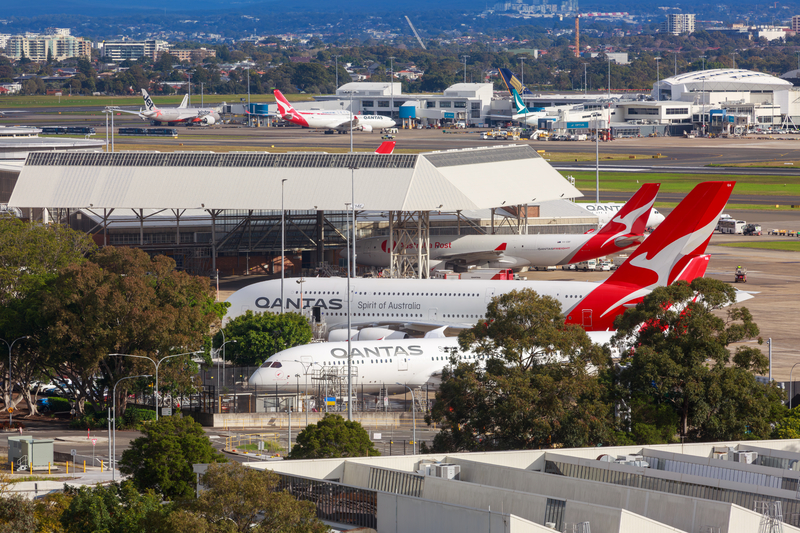
Commercially, Perth would give Turkish Airlines a presence in a market already accustomed to nonstop and one-stop travel to Europe through competing hubs. An Istanbul service would offer connections across Türkiye, southern and eastern Europe, the Balkans, Central Asia, the Middle East and Africa without requiring Western Australian passengers to begin their journey with an eastbound domestic sector.
Brisbane would be a longer and more aircraft-intensive operation. Its attraction is the size of Queensland’s outbound and inbound travel markets, along with the ability to collect traffic locally rather than asking passengers to connect through Sydney or Melbourne. The route would also give Turkish Airlines a third major eastern Australian gateway if it is added after Sydney and Melbourne.
Traffic rights leave room for either development. The Australia-Türkiye bilateral was expanded to permit as many as 35 weekly passenger services covering Sydney, Melbourne, Brisbane, Perth and Western Sydney. Australian government documents describing the agreement also record expanded fifth-freedom and freight opportunities.
The bilateral therefore is not the principal constraint. Fleet availability, premium demand and the opportunity cost of assigning a scarce A350-1000 to one of aviation’s longest missions will determine whether Brisbane, Perth or both advance to a formal launch.
Sydney and Melbourne remain first in line
Şeker’s comments indicate that Sydney will lead Turkish Airlines’ nonstop Australian program, with Melbourne following. Those conversions will give the airline operating and commercial evidence before it commits to another city.
That sequence leaves Brisbane and Perth as later candidates rather than imminent additions. The carrier first needs its A350-1000 deliveries, a finalized ultra-long-haul cabin and enough aircraft to operate a resilient schedule with maintenance cover. A route that consumes an aircraft for well over a day on each rotation also requires more than strong headline demand; it needs dependable year-round yields and connecting flows through IST.
Turkish Airlines has nevertheless moved beyond treating Australia as a two-city experiment. Brisbane and Perth are now part of the discussion over how widely the airline can extend its Istanbul hub once the aircraft designed for that strategy arrive.
Bottom Line
Perth has the clearest technical argument for becoming Turkish Airlines’ third Australian destination. The shorter sector would preserve more payload and scheduling flexibility than an east-coast route, while giving the airline access to a market where passengers already pay for direct or efficiently connected travel to Europe. If Turkish Airlines wants to expand before its full ultra-long-haul fleet is available, Perth is the more forgiving option.
Brisbane offers the larger test of Turkish Airlines’ hub model. Success would depend less on Türkiye-origin traffic than on the airline’s ability to aggregate Queensland passengers bound for dozens of European, African and Central Asian cities. That is precisely the type of connecting proposition IST was built to support, but the route would compete directly for aircraft with Sydney, Melbourne and other high-value long-haul markets.
The next signals will come from the A350-1000 delivery schedule and the cabin Turkish Airlines selects for its Australian subfleet. A premium-heavy layout, firm nonstop dates for Sydney and Melbourne, and additional aircraft assigned to ultra-long-haul operations would make Brisbane and Perth credible route launches. Until then, they remain strategically logical candidates competing for a small and valuable pool of aircraft.
Keep reading FlyMag
Get the Daily Brief in the morning or the Route Watch weekly recap on Fridays. Or both.