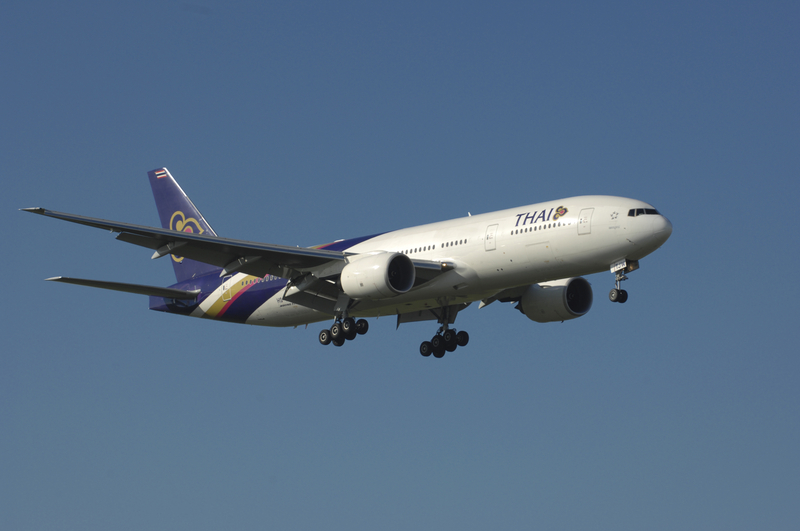
Thai Airways is moving ahead with European expansion despite one of the most difficult operating backdrops long-haul airlines have faced in years.

The carrier says it still plans to grow its Europe network in the coming months, even as it monitors rising fuel costs, possible supply disruptions, and broader geopolitical instability linked to the Middle East conflict. That is a notable choice. Most airlines in this environment are either slowing growth, trimming flying, or talking much more cautiously about expansion. Thai is doing the opposite — but with clear limits.
For aviation readers, the most important point is that this is not reckless optimism. It is selective growth paired with active risk management.
Read our stories in your inbox
Two aviation newsletters. Zero fluff.
Amsterdam Is The clearest Sign Of The Strategy
The most concrete expansion move is the return of daily Bangkok–Amsterdam service from July 1, 2026.
That matters because Amsterdam is not just another European city on the map. It is a major long-haul market, a strong premium and leisure destination, and an important connecting point for wider Europe. If Thai Airways is willing to restore daily service there in this environment, it suggests management still sees enough strength in Europe-bound demand to justify meaningful capacity.
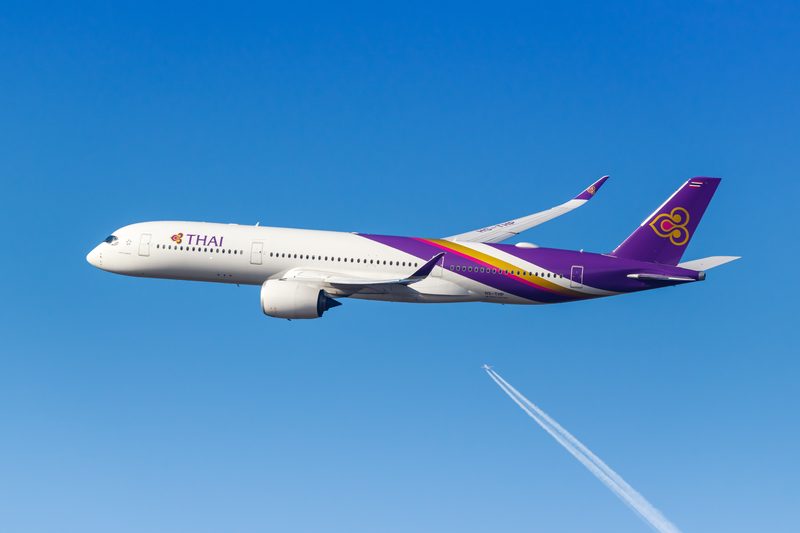
This is not the kind of route an airline restarts casually when fuel and geopolitical risks are still high.
Thai Is Framing Growth Around Lower-Risk, Higher-Demand Markets
One of the more revealing parts of the airline’s messaging is how it describes its own decision-making.
Thai says it is prioritizing high-demand, lower-risk markets while adjusting frequencies and routes as conditions evolve. That tells you everything you need to know about the current strategy. The airline is not trying to expand broadly across every possible long-haul market. It is choosing routes where it believes demand is strong enough and the commercial case resilient enough to withstand a more volatile cost environment.
That makes the Europe push look more disciplined than the headline alone might suggest.
Fuel Risk Is Real, Even If Flights Continue
The airline is also right to take the fuel issue seriously.
Warnings from IATA and the wider market have focused on the possibility of short-term jet fuel pressure and ongoing supply uncertainty, especially in Europe and across routes affected by the Middle East crisis. Even where supply does not fully break down, price spikes alone can significantly damage long-haul route economics.
For a carrier still rebuilding its financial position, that matters enormously. A route can look healthy in revenue terms and still become unattractive if the fuel cost environment moves against it quickly enough.
The Airline Is Trying To Protect Itself Financially
Thai says it is managing the risk through a combination of:
- fuel hedging
- efficiency improvements
- dynamic pricing
- network adjustments
- delayed or suspended non-essential investment
That is a familiar but important playbook. Airlines facing high fuel uncertainty usually have only a few real levers. They can raise fares where possible, shift aircraft toward stronger routes, trim weaker flying, and conserve cash elsewhere. Thai appears to be doing all of those things at once.
That is a sign of a carrier that wants to grow, but also understands that the wrong kind of growth could be dangerous.
The Financial Picture Is Better — But Still Fragile
Thai Airways’ first-quarter 2026 results reportedly showed slightly lower revenue but higher net profit year on year, helped by lower finance costs and one-off gains.
That gives the airline some breathing room, but it should not be overread. One quarter of improved net profit does not eliminate the structural risk of operating long-haul flights in a high-fuel, geopolitically unstable environment. It does, however, suggest the carrier has enough confidence to keep building where it thinks the market can support it.
In that sense, the European expansion looks less like a gamble and more like a managed test of resilience.
This Is A Recovery Story, But Also A Discipline Story
The bigger picture is that Thai Airways is still rebuilding.
Europe remains one of the most important proving grounds for that recovery because it offers a mix of premium long-haul traffic, strong leisure demand, and high visibility. Restarting and strengthening European service is therefore strategically valuable. But doing it while fuel risk remains elevated requires a much more careful network philosophy than airlines could rely on in calmer years.
Thai seems to understand that. The growth is real, but it is not indiscriminate.
Bottom Line
Thai Airways is still pushing ahead with European expansion despite fuel supply concerns and geopolitical instability, with the clearest step being the return of daily Bangkok–Amsterdam flights from July 1, 2026.
That does not mean the airline is ignoring the risks. It means Thai believes some European markets remain strong enough to justify growth if managed carefully. The airline’s strategy now appears to be straightforward: expand where demand is strongest, hedge where possible, preserve liquidity, and stay flexible enough to cut back if conditions worsen.
Keep reading FlyMag
Get the Daily Brief in the morning or the Route Watch weekly recap on Fridays. Or both.