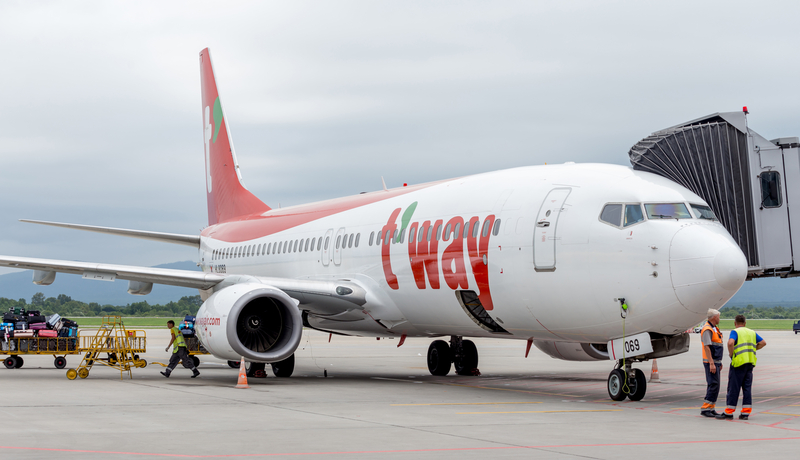
South Korea’s transport ministry has now cleared an important hurdle in t’way Air’s planned rebrand to Trinity Airways, but the airline is not changing names in practical terms just yet.

The carrier has received a revised domestic operating licence, which gives regulatory approval inside South Korea for the name change. That is significant because it moves the rebrand beyond shareholder intent and into formal aviation oversight. But it is only one step in the process. Until the airline secures all necessary approvals from foreign regulators, it will continue flying as t’way Air under its existing TW code.
For aviation readers, that makes this less a completed rebrand than a controlled transition.
Read our stories in your inbox
Two aviation newsletters. Zero fluff.
Domestic Approval Is In Place, But International Approval Still Matters
The most important point is that South Korea has approved the name change domestically, not globally.
That matters because airlines do not operate only under their home regulator’s view of the world. They also need acceptance from foreign authorities in the markets they serve. Since t’way operates internationally, the new name cannot be used cleanly across the network until those approvals are in place.
That is why the ministry attached conditions to the revised licence. The airline must avoid passenger confusion, maintain safe operations during the transition, and complete foreign regulatory procedures before the new brand can actually enter service.
The Airline Will Keep Flying As T’way For Now
In practical terms, travelers should expect no immediate operational change.
The airline will continue to operate as t’way Air, using its current TW airline code and existing flight-number structure until the overseas approval process is finished. That is important because rebrands in aviation can easily create confusion if ticketing, airport displays, interline systems, or regulatory records shift at different speeds.
The ministry’s conditions suggest regulators are keenly aware of that risk and want the transition handled carefully rather than theatrically.
This Is The First Serious Regulatory Step After Shareholder Approval
The rebrand itself was already approved by shareholders in March 2026, so this latest development is the first major regulatory follow-through.
That matters because shareholder approval alone does not change an airline. It only authorizes the plan. A revised operating licence, by contrast, is a real aviation milestone. It means the authorities are now willing to let the company move toward a new operating identity, subject to conditions.
So while Trinity Airways is not airborne yet as a brand, it is now materially closer.
The Slow Pace Is Normal For Airline Rebrands
This may feel drawn out, but it is actually fairly typical.
Airline name changes affect far more than paint and logos. They touch slot records, bilateral traffic rights, airport systems, booking channels, codeshare and alliance coordination, insurance, crew documentation, and international regulatory recognition. That is why even a straightforward rebrand can take months to complete once the public announcement has already been made.
In this case, the ministry is effectively saying yes — but only if everything else is aligned properly first.
Bottom Line
t’way Air has now secured South Korean regulatory approval for its planned rebrand to Trinity Airways, but the airline is not changing over operationally yet. Until all required foreign approvals are completed, it will continue flying as t’way Air with its existing TW code.
So the rebrand is real, but not active. The name has legal momentum now. The actual airline passengers see is still the old one, at least for the moment.
Keep reading FlyMag
Get the Daily Brief in the morning or the Route Watch weekly recap on Fridays. Or both.