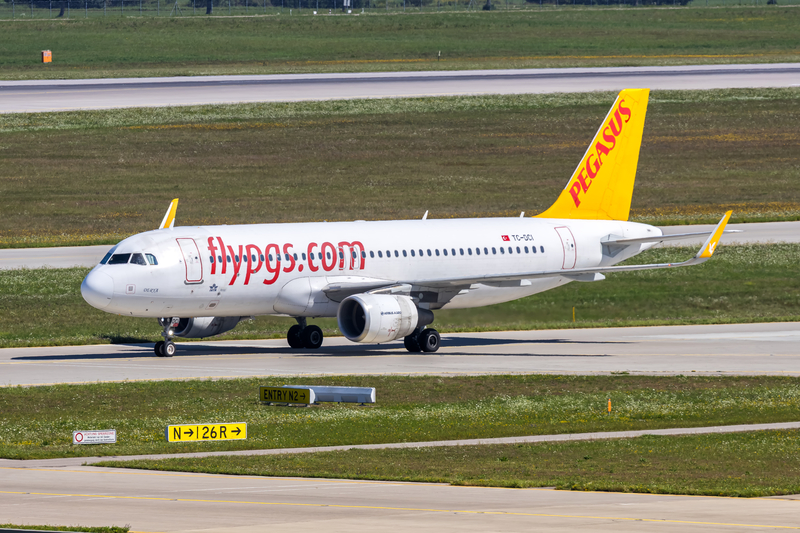
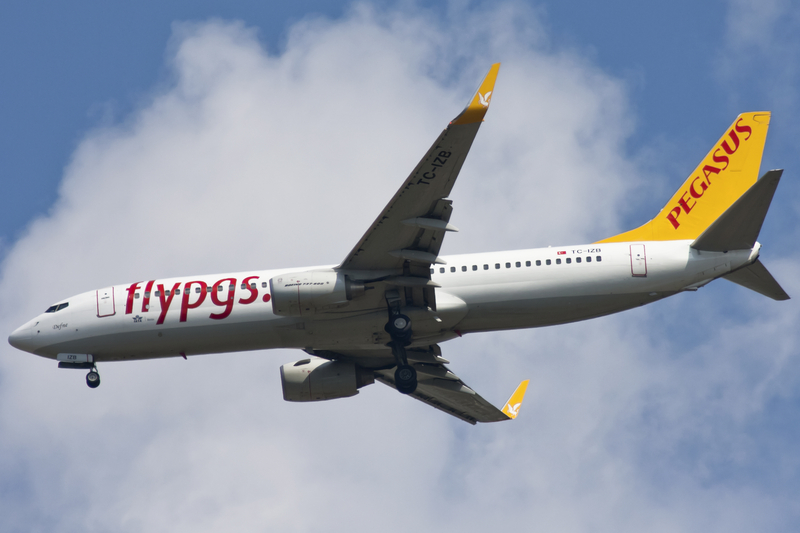
London Gatwick Airport (LGW) is set to add Pegasus Airlines to its summer 2026 lineup, with daily flights to Istanbul Sabiha Gökçen Airport (SAW) from June 15. That matters for more than one reason. It gives Gatwick a ninth new airline for the year, adds a second Istanbul airport to the route map, and strengthens the airport’s position as the London gateway where growth carriers can still scale without Heathrow’s slot squeeze.
The route is especially interesting because it does not duplicate what Gatwick already has. Turkish Airlines already links LGW with Istanbul Airport (IST), the city’s primary global hub. Pegasus instead will serve SAW, the lower-cost airport on Istanbul’s Asian side and the core base from which it has built one of Europe’s most aggressive short-haul networks. For passengers, that means a different part of the city and a different airline model. For Gatwick, it means broader market coverage rather than simple overlap.
Why Sabiha Gökçen Matters
SAW is not a secondary airport in the weak sense of the term. It is a major airport in its own right, and for Pegasus it is the center of the airline’s operating system. That makes the new LGW-SAW link commercially stronger than a casual reading might suggest.
Read our stories in your inbox
Two aviation newsletters. Zero fluff.
Pegasus is increasingly built around the Airbus A321neo, which has become the airline’s core growth aircraft. In Pegasus configuration, the A321neo seats 239 passengers, giving the carrier dense, low-cost capacity on medium-haul sectors where fares matter but volume is still essential. That is exactly the kind of aircraft economics that fits Gatwick’s current positioning: scale, cost discipline, and routes that can perform without full-service hub pricing.
Even where exact aircraft assignments can shift, the broader fleet story is clear. Pegasus is moving deeper into neo-family economics, and Gatwick is attracting more airlines whose business models are built around newer-generation narrowbodies rather than legacy short-haul structures.
Gatwick’s 2026 Story Is Bigger Than One Route
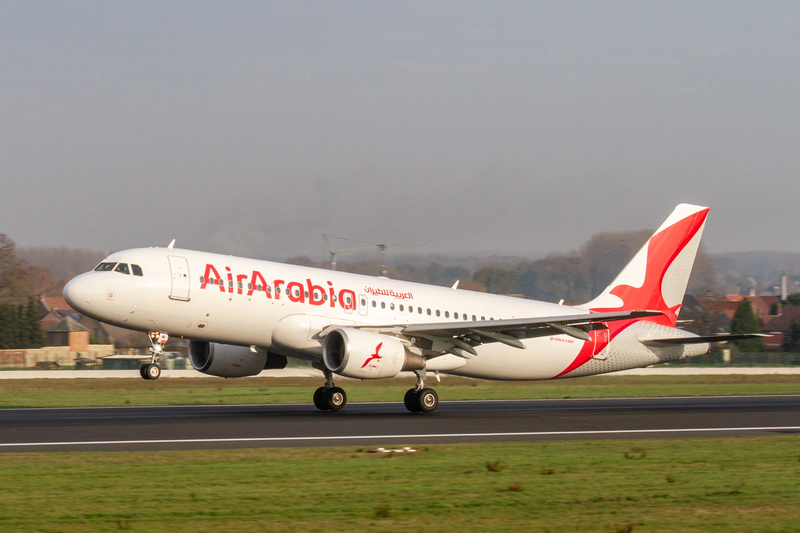
The more important point is that Pegasus is arriving at an airport already in the middle of a surprisingly broad expansion cycle. Gatwick said in February that eight new airlines would join its summer 2026 schedule: Jet2, AirAsia X, Condor, Air Arabia, Air France, Eurowings, Animawings, and Beijing Capital Airlines. Pegasus takes that tally to nine and adds another layer of variety to the list.
That variety is the real story. Gatwick is not just collecting more low-cost names or more leisure routes. It is adding a mix of business-focused, long-haul, hybrid, and holiday operators, which is a healthier sign for an airport than growth built around any one segment alone.
Air France’s return to LGW from Paris Charles de Gaulle Airport (CDG), Condor’s entry from Frankfurt Airport (FRA), AirAsia X’s long-haul Kuala Lumpur service, and Air Arabia’s Sharjah flights all point in the same direction. Gatwick is becoming more diverse at the same time as it becomes busier.
Jet2 Shows the Scale of the Shift
If there is one airline that best captures Gatwick’s 2026 momentum, it is Jet2. The carrier has launched its new LGW base with 29 summer routes and six based aircraft, including five brand-new Airbus A321neo jets. That is not a token expansion. It is the kind of base opening that changes the shape of an airport’s short-haul schedule.
The aircraft choice matters here too. Jet2’s A321neo offers more than 20% lower fuel burn and CO2 emissions per seat than the aircraft it replaces, while also cutting noise. In practical terms, that means Gatwick’s growth is not just about adding frequency. It is increasingly being supported by newer, more efficient aircraft across multiple airline models.
That is why Pegasus fits the broader pattern so neatly. It is another airline whose growth is closely tied to next-generation narrowbody economics, and another sign that Gatwick’s expansion is being built on more than just spare slots.
Gatwick Is Leaning Into Its Own Competitive Identity
There is a larger strategic point underneath all of this. Gatwick is not trying to become Heathrow. It is leaning harder into the things that make it commercially distinct: strong leisure demand, meaningful long-haul reach, simpler airport economics for airlines, and access to a huge catchment south of London.
That formula appears to be working. Gatwick handled 42.8 million passengers in 2025, welcomed a record number of airlines, and is heading into summer 2026 with more than 230 destinations on offer. Pegasus does not transform that picture on its own, but it sharpens it. A daily SAW link adds depth to one of Europe’s strongest city markets while reinforcing Gatwick’s appeal to carriers that want London relevance without Heathrow’s operating constraints.
Bottom Line
Pegasus Airlines’ move into London Gatwick Airport (LGW) is more important than the addition of one more route. It gives Gatwick access to Istanbul Sabiha Gökçen Airport (SAW), adds a ninth new airline to the airport’s 2026 roster, and slots neatly into a broader summer expansion that is unusually varied by London airport standards.
For aviation readers, that is the key takeaway. Gatwick’s growth is not just a volume story. It is an airline-mix story, an aircraft-economics story, and increasingly a network-positioning story. Pegasus strengthens all three.
Keep reading FlyMag
Get the Daily Brief in the morning or the Route Watch weekly recap on Fridays. Or both.