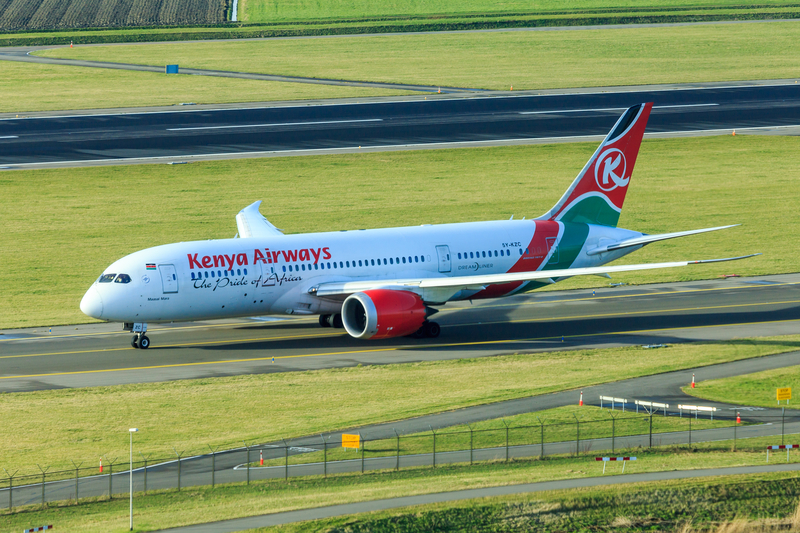
Kenya’s government is preparing to take Kenya Airways (KQ) into the international market for a strategic equity partner—one with both deep pockets and airline-operating credibility. Speaking in Nairobi on February 11, 2026, Finance Minister John Mbadi said the state will issue an international expression of interest for an investor expected to inject a minimum of $1.2 billion and up to $2 billion into the carrier.

For Kenya Airways, this is more than a capital raise. It’s a reset attempt designed to stabilize the balance sheet, unlock fleet and network decisions that have been postponed for years, and protect Nairobi’s role as a connecting hub at Jomo Kenyatta International Airport (NBO).
Not Just Money: Kenya Wants an Airline Operator, Not a Passive Backer
Mbadi’s messaging was unusually explicit for a state-led recapitalization: Kenya is not looking for a partner that simply writes a check. The government wants an investor that can import “best practices”—the practical mechanics of running a profitable network carrier in a volatile, cost-sensitive region.
Read our stories in your inbox
Two aviation newsletters. Zero fluff.
That language matters because KQ’s challenges are not purely financial. Even with fresh capital, the carrier still needs a credible plan for fleet deployment, schedule integrity, and unit-cost control across a mixed network of trunk regional routes and long-haul services. In other words, the government is effectively signaling that this is a turnaround partnership—not a bailout.
Debt Taken On by the State: Converting KES 63.1 Billion Into Equity
Mbadi also said the government has taken over and is servicing KES 63.1 billion (about $489 million) of Kenya Airways debt. The stated plan is to convert that debt into equity once a strategic investor is onboarded—essentially cleaning up the capital structure so an incoming partner isn’t buying into a tangle of legacy obligations.
Mechanically, this approach is common when governments want to make a carrier investable without rewriting every lease and creditor agreement. The conversion can improve headline leverage metrics and remove near-term repayment pressure, but it also reshapes ownership dynamics—because the state’s balance sheet support becomes equity ownership rather than ongoing debt service.
What the Turnaround Blueprint Focuses On: Network, Fleet, and Productivity
The government is positioning the restructuring as the “least disruptive option,” designed to operate within existing financial and lease frameworks. In practice, that suggests Kenya wants to avoid a disruptive liquidation-style reset and instead pursue a measured re-optimization:
-
Route rationalization: pruning or resizing underperforming markets while protecting the hub at NBO. For KQ, network “discipline” typically means tightening regional frequencies where yields are weak, while defending strategic long-haul lanes that provide cargo and high-value traffic.
-
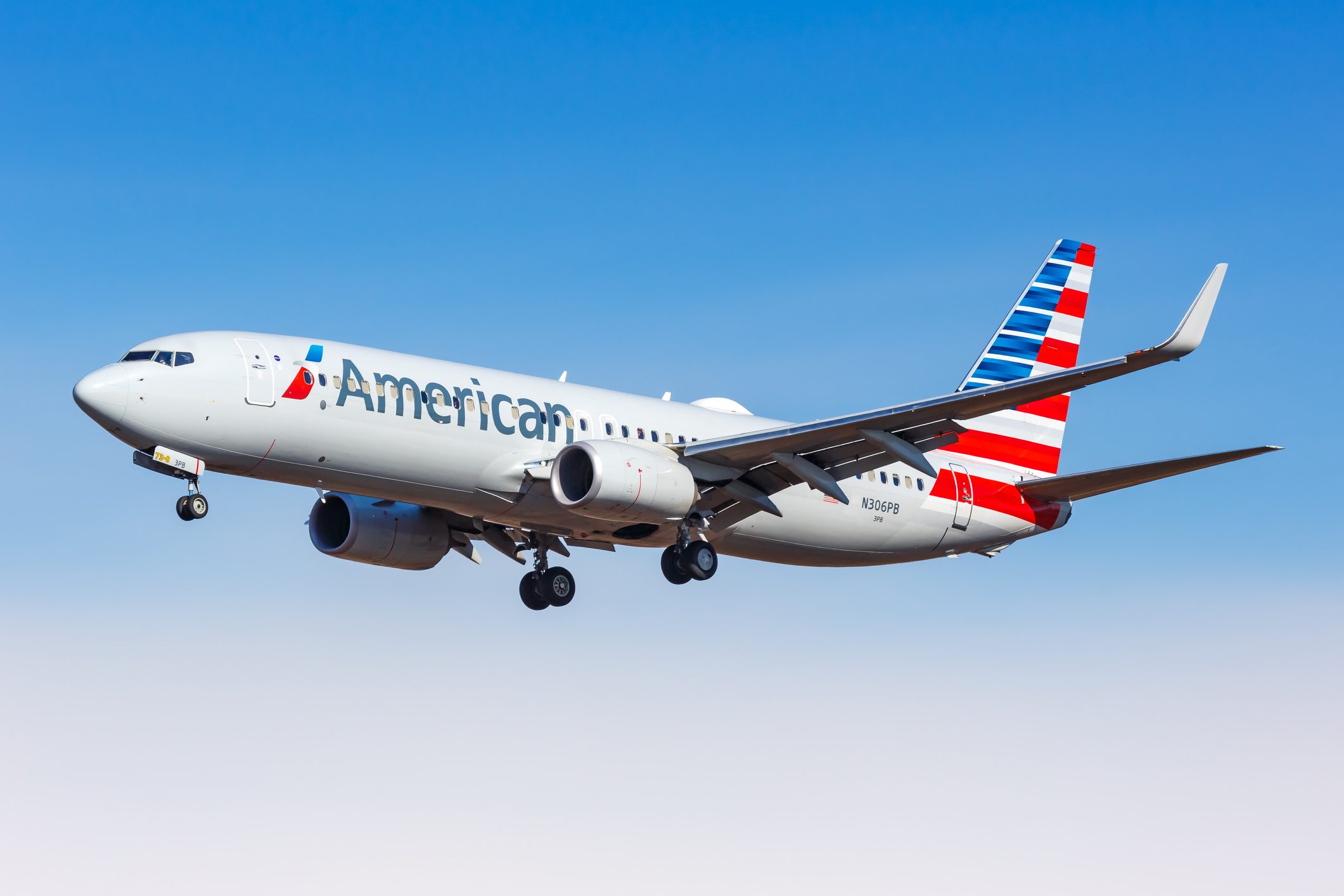
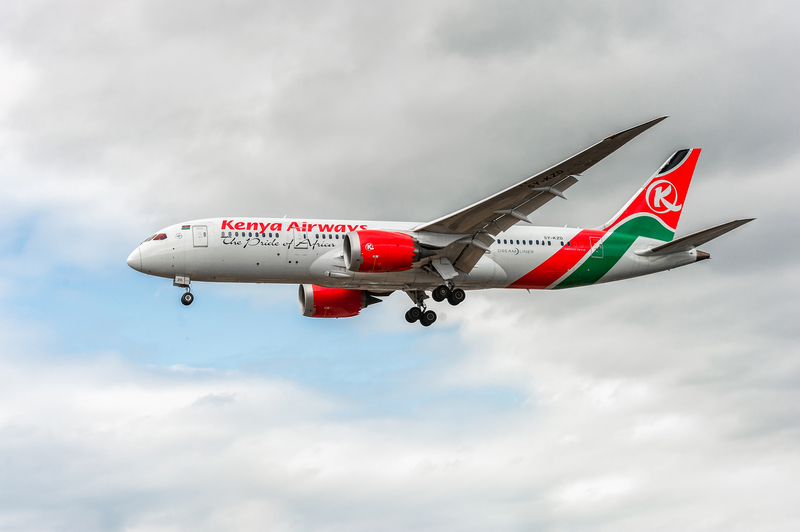
Fleet alignment: matching aircraft type to mission length and demand density. Kenya Airways’ core passenger fleet revolves around the Boeing 787-8 for long-haul, Boeing 737-800 for medium-haul and higher-density regional flying, and the Embraer E190 for thinner regional markets. Those types are operationally capable for a pan-African network—but only if utilization and maintenance planning are managed tightly.
-
Labor productivity: Mbadi flagged renegotiation of a collective bargaining agreement to meet “industry productivity targets,” a historically contentious issue. In airline terms, this typically touches crew scheduling flexibility, productivity blocks, and cost escalation controls—areas that can materially move unit cost without changing the network map.
Why NBO Is the Strategic Center of Gravity
Kenya Airways’ identity is inseparable from Nairobi (NBO) as a connecting point between East Africa, Southern Africa, the Gulf, Europe, and parts of Asia. The government’s emphasis on preserving NBO’s hub role is not just patriotic language—it’s economic policy. A functioning hub supports tourism flows, trade logistics, and corporate investment narratives in a way that point-to-point flying does not.
That is also why an operationally experienced strategic partner is so important. Hub carriers live and die by bank structure, minimum connecting times, and irregular-operations recovery. A partner with proven hub and network discipline can help KQ tighten those fundamentals—especially if the goal is to grow beyond “national carrier” into a true pan-African connector.
The Pan-African Alliance Idea Returns—With Kenya Airways as a Founding Anchor
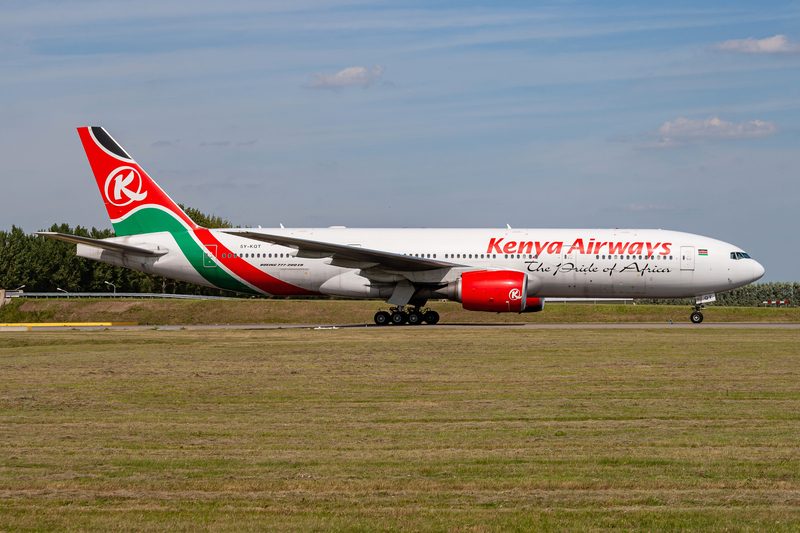
Mbadi indicated that Kenya still sees a future where a revitalized Kenya Airways could help form a pan-African airline group, while maintaining the KQ brand and national-carrier role. This is a familiar ambition in African aviation: consolidation and scale are the obvious answer to fragmented demand, but execution is difficult due to ownership, sovereignty, and regulatory realities.
If Kenya pursues this path, the strategic partner choice becomes pivotal. An airline group operator will evaluate whether KQ can be a platform—one capable of supporting shared procurement, coordinated schedules, and common operational standards. That requires more than capital; it requires repeatable operating processes and credible governance.
Bottom Line
Kenya is moving to launch an international tender for a strategic equity partner for Kenya Airways (KQ), seeking $1.2 billion to $2 billion in new capital plus hands-on airline expertise. The government says it has already taken on KES 63.1 billion of KQ debt and intends to convert it into equity once an investor is secured—aiming to present a cleaner balance sheet while executing a restructuring centered on network and fleet rationalization, labor productivity, and the protection of Nairobi (NBO) as a regional hub. If Kenya can land a partner with both capital and proven airline operating discipline, this becomes a credible pivot point for KQ’s long-running turnaround—and potentially a foundation for broader pan-African consolidation.
Keep reading FlyMag
Get the Daily Brief in the morning or the Route Watch weekly recap on Fridays. Or both.
Share this story
Composed for each network — click to share, or copy the composed text for your own timing.