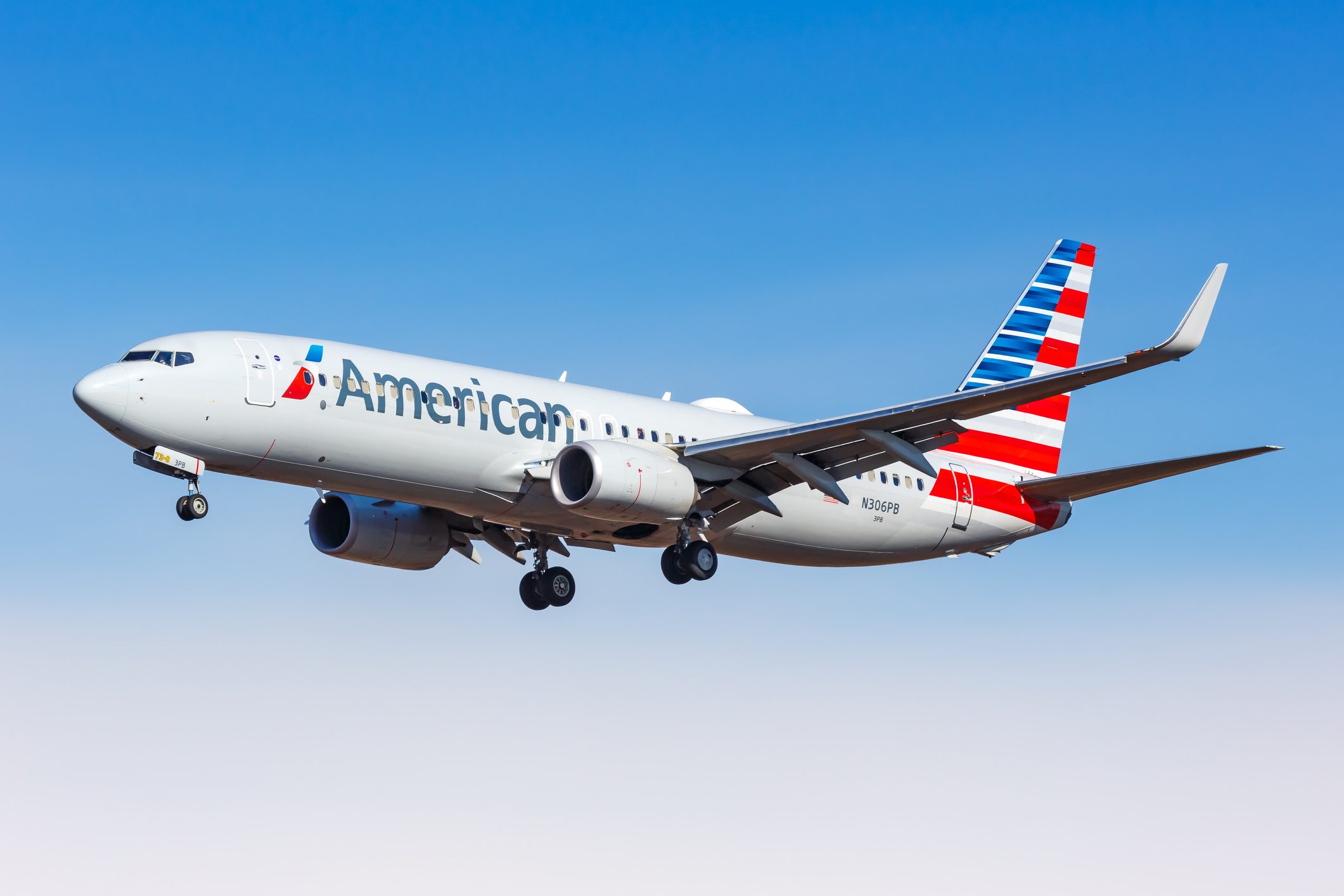
American Airlines is facing a proposed $255,000 FAA civil penalty over allegations that 12 flight attendants were allowed to return to safety-sensitive duties without completing all required follow-up drug and alcohol testing.
That distinction matters. The issue is not that the FAA says these crews were actively impaired while working. The allegation is that, after earlier positive drug or alcohol tests, American allowed them to resume duty without completing the full follow-up testing process required under federal rules.
In aviation, that is a serious compliance problem. Flight attendants are not just customer-service staff. They are safety-critical crew members responsible for emergency procedures, evacuations, and cabin security. Once the return-to-duty process is triggered, airlines are expected to manage it exactly as the rules require.
Read our stories in your inbox
Two aviation newsletters. Zero fluff.
What the FAA Says American Did Wrong
According to the FAA, the alleged violations occurred between May 2019 and December 2023. The regulator says American allowed 12 flight attendants who had tested positive on drug and alcohol tests to resume performing safety-sensitive duties without completing all required follow-up testing.
The substances cited by the FAA include alcohol, amphetamines, cocaine, marijuana, and methamphetamine. Those details give the case weight, but the core regulatory issue is procedural: once an employee fails a drug or alcohol test, the return-to-duty process does not end with a single clearance. It includes continued follow-up testing that must be completed properly.
That is why the proposed penalty matters. It suggests the FAA believes the problem was not an isolated administrative oversight, but a breakdown in how the airline handled a safety-sensitive compliance obligation over multiple years.
Why Follow-Up Testing Matters So Much
The return-to-duty system is designed to make sure a positive test is not treated as a one-time event that disappears after an employee is temporarily removed from service.
In practical terms, aviation regulators expect follow-up testing to remain part of the oversight process after a worker returns to duty. The system exists because airlines are dealing with employees in roles where a lapse in judgment or fitness can affect the safety of a full aircraft cabin.
For flight attendants, that matters every time an aircraft door is armed, an emergency briefing is given, or a cabin incident has to be managed under pressure. The regulatory expectation is not simply that the employee returns. It is that the airline demonstrates continued compliance after the return.
American’s Position Is Cautious So Far
American has not publicly accepted the FAA’s allegations. The carrier has said it is reviewing the agency’s notice and reiterated that the safety of customers and team members is paramount.
That is a typical first response at this stage. An FAA proposed civil penalty is not yet a final enforcement outcome. American now has 30 days after receiving the enforcement letter to respond, which means the case remains in the regulatory process rather than at a final conclusion.
Still, the size of the proposed fine is enough to make the matter noteworthy. A six-figure penalty tied to drug and alcohol testing is not the kind of case airlines want attached to their safety culture, even when the dispute is still in the response phase.
The Bigger Picture Is FAA Pressure Across the Industry
This also does not appear to be an isolated enforcement theme.
The FAA has recently proposed similar penalties against other operators over drug and alcohol testing compliance, which suggests the regulator is taking a harder line on follow-up oversight rather than treating these cases as one-off paperwork failures.
That is an important point for airline professionals. The FAA is not only policing intoxication itself. It is also policing the systems carriers use after a positive test has already occurred. In other words, the agency is looking closely at whether airlines are managing the full compliance chain, not just the initial event.
Bottom Line
The most important correction to the original framing is this: the FAA’s case against American is not best understood as “drug-positive crew cleared to fly” in the immediate sense. It is a follow-up testing case.
The regulator says American allowed 12 flight attendants to return to safety-sensitive duties without completing all required post-positive follow-up testing, and that is why it is seeking a $255,000 penalty.
That may sound procedural, but in aviation procedure is safety. And when the crew involved are flight attendants, the FAA is clearly signaling that it expects the same seriousness in cabin-safety compliance as it does anywhere else in the operation.