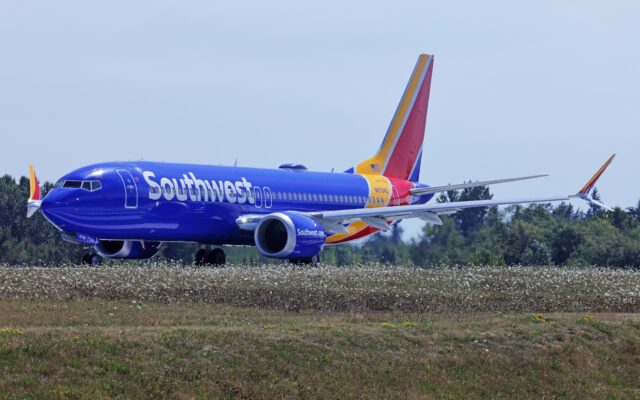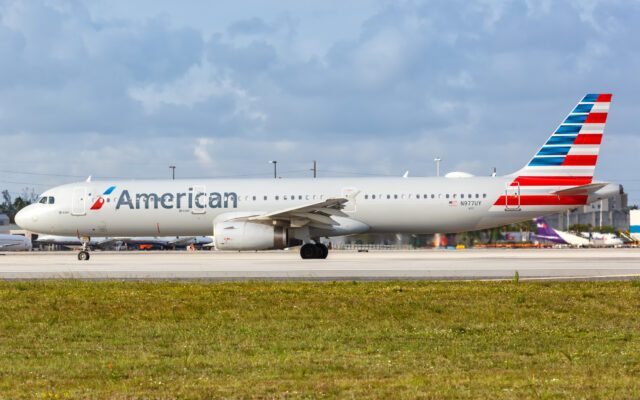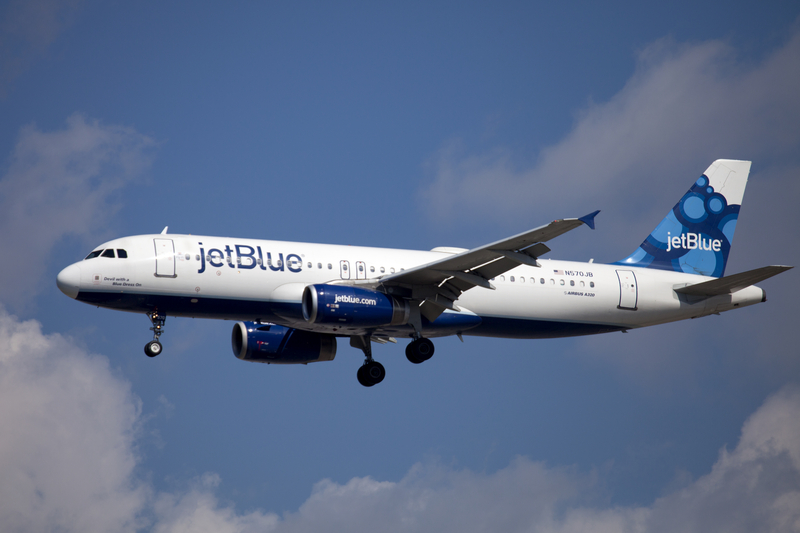
JetBlue (B6) and American Airlines (AA) can’t seem to fully close the book on the Northeast Alliance (NEA). A Texas judge has now ruled that American’s lawsuit seeking more than $100 million from JetBlue can move forward in Texas—rejecting JetBlue’s attempt to kick the dispute out of the state.

It’s the latest twist in a saga that started as a bold bid to challenge Delta and United in the New York–Boston arena, and ended with an antitrust loss that still reverberates through airline partnerships today.
The dispute in plain terms: American says JetBlue didn’t square up after the NEA ended
American’s claim is essentially contractual: after the NEA was dismantled, American says JetBlue failed to make required payments following an audit and reconciliation process tied to the partnership’s financial terms. JetBlue disputes the premise and has fought over where the case should be heard.
Read our stories in your inbox
Two aviation newsletters. Zero fluff.
This latest ruling doesn’t decide who’s right on the money. It only means the case stays alive—and stays in Texas—for now.
Why a Texas court is involved in a New York–Boston partnership
JetBlue argued the fight should be governed outside Texas, pointing to the NEA’s core geography and its operational center of gravity in the Northeast. But the judge determined the Texas Business Court has jurisdiction, citing American’s substantial business presence in Texas and the fact that thousands of flights were operated under NEA-era arrangements involving American’s Texas-based operations.

For airline professionals, this is less about maps and more about corporate footprint: American is headquartered in Fort Worth, and that matters when you’re arguing venue, contracts, and where a business dispute can be litigated.
Quick refresher: what the Northeast Alliance actually was
The NEA was launched to coordinate American and JetBlue across key Northeast airports:
It went far beyond casual codesharing. NEA included schedule coordination, revenue-sharing mechanics, and joint network planning in the region—effectively blending parts of two competing carriers’ strategies in the country’s most slot-constrained, high-yield markets.
In May 2023, a federal judge ruled the NEA violated antitrust law and ordered it unwound, ending the partnership in its original form.
What happens next: this is a contract fight, not a revival of the NEA
The key distinction: American’s lawsuit isn’t about bringing NEA back. It’s about what each side believes is still owed after the unwind.
Now that the venue fight has gone American’s way, the next steps likely center on:
-
how the contract defined post-termination payments and reconciliation,
-
what the audit process required,
-
what actions each side took (or didn’t take) to finalize accounts,
-
and whether damages rise above the $100 million level American is citing.
In other words: spreadsheets, clauses, and “who did what when,” not route maps.
The irony: JetBlue is building a new partnership while this lawsuit plays out
While JetBlue is still litigating the NEA’s financial aftermath, it’s also rolling out “Blue Sky,” its newer partnership with United Airlines (UA). That tie-up is designed around cross-selling flights in each other’s channels and loyalty integration, with additional features planned over time—including United’s planned growth at JFK (JFK) via access to JetBlue-supported capacity at the new Terminal 6, targeted for as early as 2027.
Different structure, different era, same underlying lesson: partnerships are now a major strategic lever for airlines trying to compete at constrained airports—but they also create long tails of legal and financial complexity when they unwind.
Bottom Line
American Airlines is pursuing $100 million+ from JetBlue over alleged unpaid obligations tied to the dismantled Northeast Alliance, and a Texas judge has ruled the case can proceed in Texas. The decision doesn’t determine who owes what—it simply keeps the lawsuit alive and sets the stage for a deeper fight over post-NEA audit and reconciliation payments. For the industry, it’s another reminder that high-impact commercial alliances—especially those built around JFK, LGA, EWR, and BOS—can generate legal aftershocks long after the schedules are separated and the codeshares disappear.
Keep reading FlyMag
Get the Daily Brief in the morning or the Route Watch weekly recap on Fridays. Or both.
Share this story
Composed for each network — click to share, or copy the composed text for your own timing.