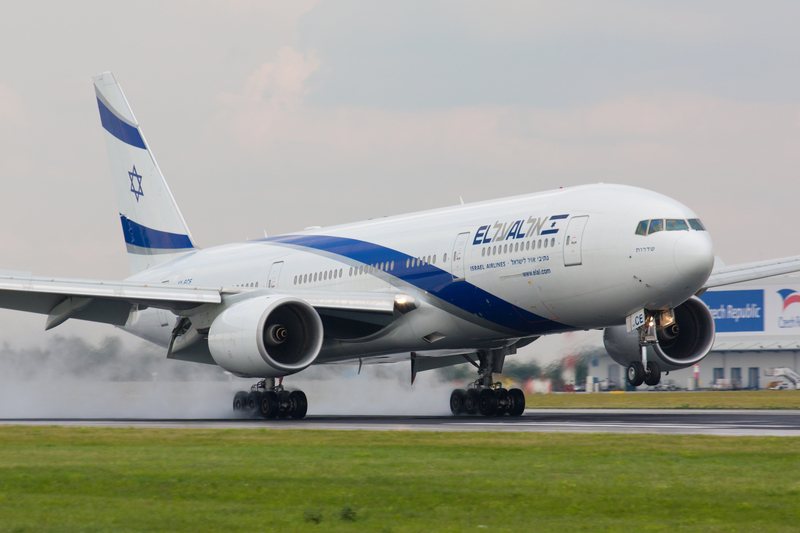
El Al Israel Airlines (LY) has shut off new flight bookings until at least March 21, 2026 as it pivots into a large-scale repatriation posture—prioritizing customers already holding tickets and preparing to fly them home the moment Israel’s aviation authorities reopen the skies over Tel Aviv Ben Gurion (TLV).

In plain terms: El Al is reserving every available seat it can for passengers already in the system, rather than selling fresh inventory it may not be able to honor while TLV remains closed and inbound schedules are still impossible to operate reliably.
El Al’s message to customers has been blunt: until existing ticket holders are rebooked (or operations stabilize), you should not expect to buy new seats for departures before March 21.
Read our stories in your inbox
Two aviation newsletters. Zero fluff.
Breaking Shabbat to protect the fleet
One of the most telling operational signals came earlier on Saturday, when El Al evacuated aircraft out of TLV—a move that broke Shabbat (the airline traditionally grounds operations from Friday sunset to Saturday nightfall).
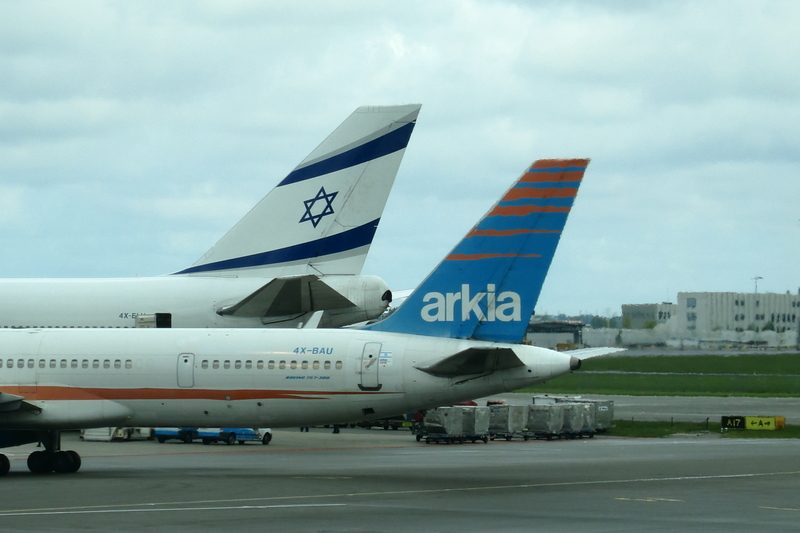
In airline risk terms, this was less about schedules and more about asset protection. When airports are under threat, the biggest danger to a carrier isn’t just cancellations—it’s aircraft trapped on the ground. Moving the fleet out of TLV preserves El Al’s ability to restart flying quickly once the airspace opens.
The evacuation included Boeing 787 Dreamliners and Boeing 737s, repositioned in a coordinated convoy to multiple European alternates, including:
These movements operated under nonstandard flight numbers and without paying passengers, reflecting the reality that they were aircraft ferry flights—designed to remove jets from risk, not move traffic.
What “ticket sales paused” really means in practice
El Al’s booking freeze is more than a PR move. It’s a capacity-control mechanism that gives the airline room to do three things in sequence:
-
Inventory triage: allocate the first available seats to stranded passengers already holding El Al tickets.
-
Fleet readiness: keep aircraft positioned at airports where they can be crewed, serviced, and dispatched quickly once approvals come through.
-
Operational recovery: rebuild a workable schedule out of TLV without compounding disruption by adding newly booked customers into an already overloaded reaccommodation queue.
This is a classic “protect the backlog” strategy. Airlines do it when the constraint isn’t demand—it’s the ability to operate safely and predictably.
TLV reopening remains uncertain
All El Al and Sun D’Or passenger operations remain suspended while Israel’s airspace restrictions continue. Early guidance indicated TLV might remain closed into the beginning of the week, but the timeline is fluid and subject to security assessments. The practical takeaway for travelers is the same either way: do not assume a quick snap-back to normal schedules once the airport reopens.
Even if TLV resumes limited operations, the restart won’t be instantaneous. Aircraft and crews have to be repositioned back to base, maintenance plans recalculated, duty-time and rest requirements reset, and departure/arrival banks rebuilt with whatever slots and airspace routings are available.
The bigger regional backdrop: Gulf hubs are also throttled
El Al’s response is unfolding during a wider Middle East aviation shock. Airspace restrictions and airport disruptions across the region have been forcing carriers to cancel, divert, or suspend operations—particularly through major transfer hubs such as Dubai (DXB) and Doha (DOH).
For passengers, that matters because many “get home” itineraries rely on those hubs. When they go offline, airlines lose the very routings they normally use to reroute stranded travelers. That turns a standard reaccommodation problem into something much harder: fewer seats, fewer viable paths, and longer recovery times.
Bottom Line
El Al is treating the TLV shutdown like a full-scale network emergency: it has frozen new ticket sales until at least March 21 and is prioritizing existing customers for future rescue flights. The airline has also evacuated 787s and 737s out of Tel Aviv (TLV)—an extraordinary operational move that required breaking Shabbat—to protect its fleet and preserve restart capability.
Until Israeli airspace reopens and schedules stabilize, expect repatriation to move in controlled waves, not a single “all clear” restart.
Keep reading FlyMag
Get the Daily Brief in the morning or the Route Watch weekly recap on Fridays. Or both.