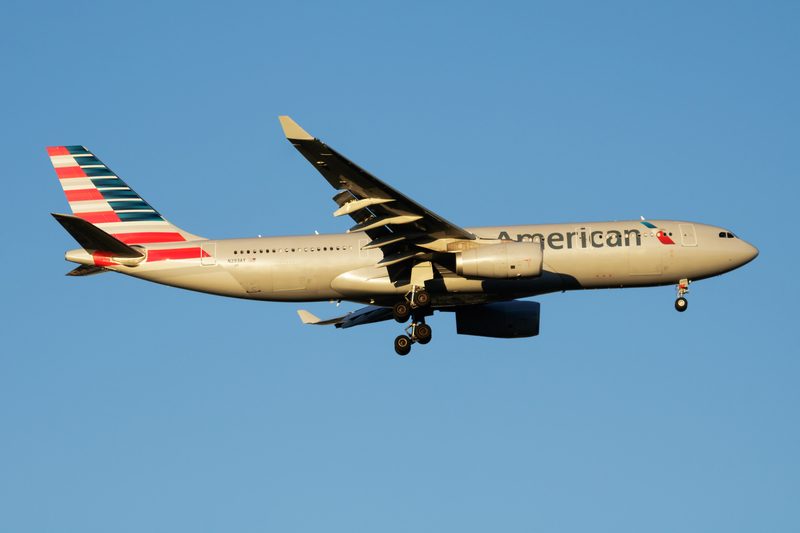
Eight former American Airlines Airbus A330-200s appear set for a second life in Vietnam, giving startup carrier Sun PhuQuoc Airways a rare shortcut into long-haul flying.

If the reported transfer proceeds as expected, the aircraft will move from long-term storage at Roswell Air Center (ROW) in New Mexico into the fleet of one of Asia’s newest airlines. For Sun PhuQuoc, that would be a major acceleration. Instead of waiting years for factory-fresh widebodies, the carrier would gain immediate access to proven long-haul aircraft with relatively modern premium cabins and enough range to support early international growth.
For aviation professionals, that is the real significance. This is not just a story about old airplanes leaving the desert. It is a story about how a young airline can buy time, capability, and market credibility in one move.
Read our stories in your inbox
Two aviation newsletters. Zero fluff.
These A330s Were Retired Unusually Early
The aircraft in question are Airbus A330-243s that originally flew for US Airways before moving to American Airlines after the merger.
What makes them notable is not just their type, but their age at retirement. American parked the A330 fleet in the early pandemic period, when these airframes were only around six or seven years old. In airline terms, that is very young for a long-haul widebody. Many A330s remain commercially useful for decades, which is why the decision always stood out across the industry.
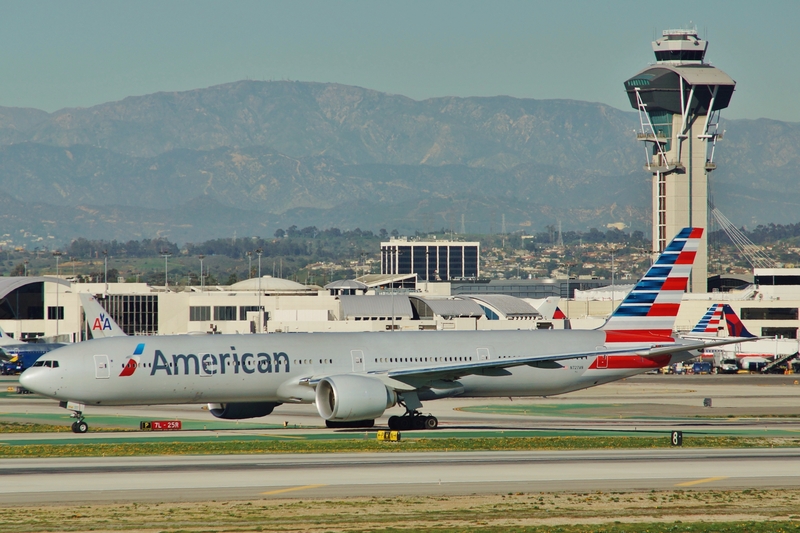
That history matters now because Sun PhuQuoc would not be taking on worn-out, end-of-life aircraft. It would be taking on relatively young widebodies whose early retirement had more to do with American’s strategic simplification than with the aircraft being obsolete.
Six Years In Storage Does Not Mean Six Years Of Neglect
The phrase “desert storage” can make aircraft sound dead and forgotten. In reality, long-term stored jets can remain valuable assets if they are preserved properly.
That appears to be the case here. The former American A330s have been parked at Roswell Air Center (ROW) since early 2020, but multiple reports indicate they were maintained in a condition that would allow reactivation. That is critical. A stored aircraft can be a bargain only if the return-to-service process is realistic in cost, time, and technical scope.
For Sun PhuQuoc, that means the appeal is not just the purchase price. It is the ability to get the aircraft back into commercial use quickly enough to matter.
The Cabin Product Is Part Of The Opportunity
One of the strongest features of these aircraft is the interior.
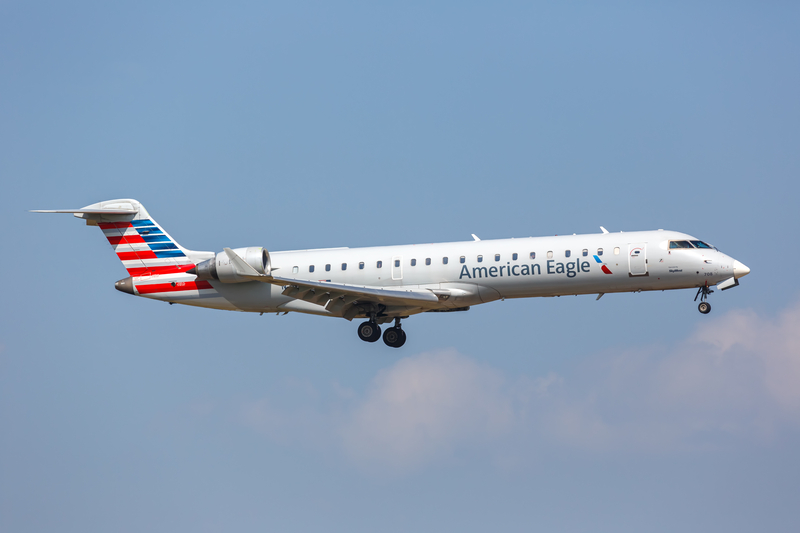
Before retirement, American had already refitted the A330-200 fleet with an upgraded premium product. The layout reportedly includes 20 lie-flat business class seats, 21 premium economy seats, and 206 economy seats, for a total of 247 passengers. That gives Sun PhuQuoc something many startups struggle to build quickly: a credible three-class long-haul product from day one.
That matters because long-haul flying is not just about range and seat count. It is also about yield. An airline that wants to serve Europe, Australia, or major Asian business and leisure markets needs more than a basic economy cabin. It needs a product that can appeal to premium travelers, tour operators, and higher-yield connecting traffic.
In that respect, these A330s are much more than temporary lift. They are a ready-made commercial platform.
This Looks Like A Bridge Fleet Strategy
The logic behind the move becomes much clearer when viewed alongside Sun PhuQuoc’s much bigger long-term plan.
The airline attracted international attention when it signed a major Boeing 787-9 agreement, but widebody deliveries on that scale are not going to solve near-term expansion needs. Even a well-funded startup cannot simply announce a future fleet and expect immediate long-haul relevance. It needs aircraft now.
That is where the A330s fit perfectly.
They give the airline an interim widebody fleet that can support international launches years before the 787 program could meaningfully reshape the operation. In airline strategy terms, that is a classic bridge-fleet play: use available second-life aircraft to establish the network and operating experience, then transition to newer-generation equipment later.
The American Airlines Angle Still Feels Striking
The transfer also revives a familiar debate about American’s decision to retire the A330 fleet so aggressively.
At the time, the move fit American’s desire to simplify the fleet and cut complexity during the pandemic. But from today’s perspective, it is hard to ignore how much useful life remained in those aircraft. A startup airline on the other side of the world now appears ready to build part of its international future around them.
That does not automatically make American’s decision wrong. Fleet simplification can be strategically sound even when aircraft still have value elsewhere. But it does underline how unusual those retirements were, and how much residual worth widebodies can retain when removed from service early.
The Bigger Risk Is Not The Aircraft, But The Airline’s Ambition
The aircraft themselves are probably the easiest part of the story to understand. The harder question is whether Sun PhuQuoc can use them wisely.
Long-haul expansion is expensive, complex, and unforgiving. A startup airline can acquire decent aircraft and still fail if its route choices are too ambitious, its premium strategy is unconvincing, or its commercial execution falls short. That is especially true in a market as competitive as Asia, where new long-haul entrants face strong incumbents, volatile demand, and high operating costs.
So while the A330 plan looks smart on paper, it is not a solution by itself. It is a tool. Its success will depend on where Sun PhuQuoc flies them, how quickly it builds scale, and whether it can turn a temporary bridge fleet into a profitable growth phase.
Why The Move Makes Sense For Vietnam
The broader market backdrop also helps explain why this strategy is plausible.
Vietnam remains one of the more dynamic aviation markets in Asia, with strong tourism potential, a growing middle class, and increasing international visibility. A long-haul fleet based around Phu Quoc International Airport (PQC) also fits the airline’s larger ambition of turning the island into a premium global destination rather than just a domestic or regional leisure point.
That makes the A330s strategically useful. They can help support that vision sooner, without forcing the airline to wait for brand-new widebody deliveries in a crowded global orderbook environment.
Bottom Line
If Sun PhuQuoc Airways does take eight former American Airlines Airbus A330-200s, it will be one of the more interesting second-life fleet stories in recent aviation memory.
The aircraft are relatively young, reportedly well preserved, and equipped with a premium cabin that would let the airline move into long-haul markets far faster than a startup normally could. More importantly, they would give Sun PhuQuoc a practical bridge between its current narrowbody operation and its much larger future Dreamliner ambitions.
The real story is not that old airplanes are flying again. It is that a new airline may have found a smart way to buy time, credibility, and long-haul capability all at once.