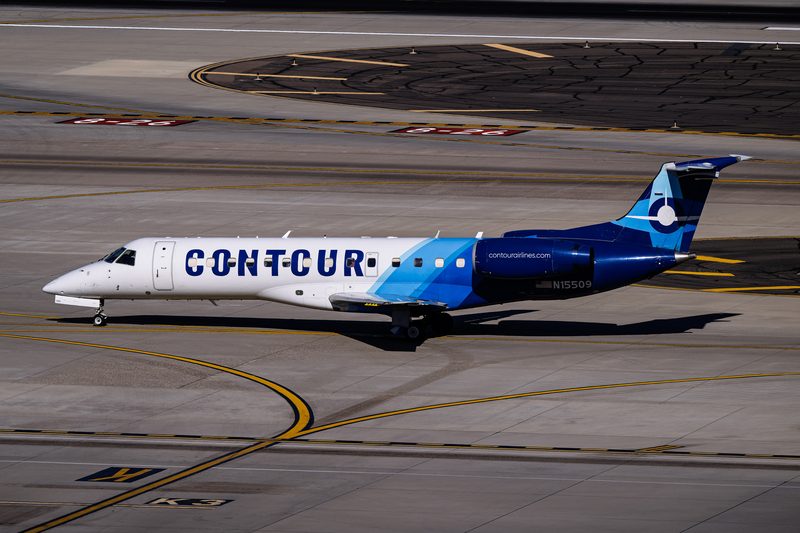
Contour Airlines is launching new nonstop service between Page Municipal Airport (PGA) and Harry Reid International Airport (LAS), with flights beginning July 2, 2026 and operating four times weekly on Mondays, Thursdays, Fridays, and Sundays.
At first glance, it is an easy route to describe as a tourism play. And that is certainly part of it. The new service links Las Vegas travelers directly to one of the Southwest’s most recognizable outdoor destinations, with Lake Powell, Horseshoe Bend, and Antelope Canyon all within reach of Page.
But the more interesting story is what the route does for Page itself.
Read our stories in your inbox
Two aviation newsletters. Zero fluff.
This Is A Connectivity Upgrade, Not Just A Visitor Route
For a smaller community like Page, direct service to Las Vegas (LAS) means far more than easier access to casinos and convention traffic.
LAS is one of the most useful domestic gateways in the western United States. It offers strong connecting potential, broad air service, and much deeper schedule options than Page Municipal Airport (PGA) could ever generate on its own. That gives Page residents a much more practical way to reach onward destinations while also improving access to healthcare, business travel, and general mobility.
WestJet Cuts 10 U.S. Routes From Winter 2026/27 Schedule as Vancouver Network Shrinks
That kind of route can be more valuable than its raw size suggests.
Smaller airports do not need dozens of daily departures to become more relevant. Sometimes one well-placed link to a major hub-like leisure gateway changes the airport’s usefulness dramatically.
Las Vegas Is A Smart Choice For Contour
Contour could have pursued a larger legacy hub, but Las Vegas makes strategic sense.
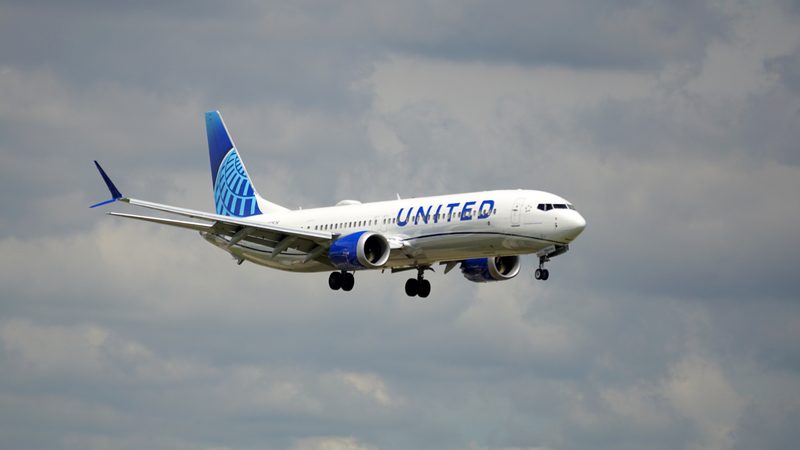
Harry Reid International Airport (LAS) is a high-demand destination in its own right, but it is also a convenient jumping-off point for domestic and some international onward travel. For passengers in Page, that means the route works on two levels: as a local destination and as a connection point.
For Contour, that dual purpose matters. The route does not need to rely entirely on one traffic segment. It can draw from local Page-origin demand, inbound leisure traffic to northern Arizona, and connecting passengers using LAS as a bridge.
That makes the market look more durable than a simple seasonal tourism route might.
The Aircraft Tells You This Is A Precision Play
Contour says it will use its 30-seat regional jet on the route, which is exactly the sort of aircraft this market needs.

A route like Page (PGA)–Las Vegas (LAS) is not about brute capacity. It is about right-sizing. The 30-seat jet gives Contour enough scale to open the market credibly while limiting the risk of oversupply. It also fits the kind of thinner regional demand patterns that larger airlines often ignore.
That matters because secondary-market growth works best when the aircraft matches the route rather than forcing the route to fit a larger aircraft.
Page Gains More Than Tourism Visibility
The obvious tourism upside is real. Direct air service from LAS should make Page easier to reach for visitors who want outdoor-focused travel without a long drive from a larger airport.
But the local benefit may ultimately matter more.
Air service from smaller communities often rises or falls on whether it serves residents consistently, not just whether it attracts visitors. In that sense, the new LAS link could prove important for Page because it improves real-world access to a much broader transport network.
That is often the difference between a route announcement that sounds nice and one that actually changes an airport’s role.
Bottom Line
Contour Airlines’ new Page (PGA)–Las Vegas (LAS) service is more significant than it may first appear.
Starting July 2, 2026, the four-times-weekly route gives northern Arizona a nonstop link to one of the West’s most connected major airports while also opening Page more directly to inbound tourism. Operated with a 30-seat regional jet, it is a carefully sized route that looks designed around practicality rather than publicity.
For aviation readers, the key takeaway is simple: this is not just a new leisure route. It is a meaningful regional connectivity win for Page.
Keep reading FlyMag
Get the Daily Brief in the morning or the Route Watch weekly recap on Fridays. Or both.