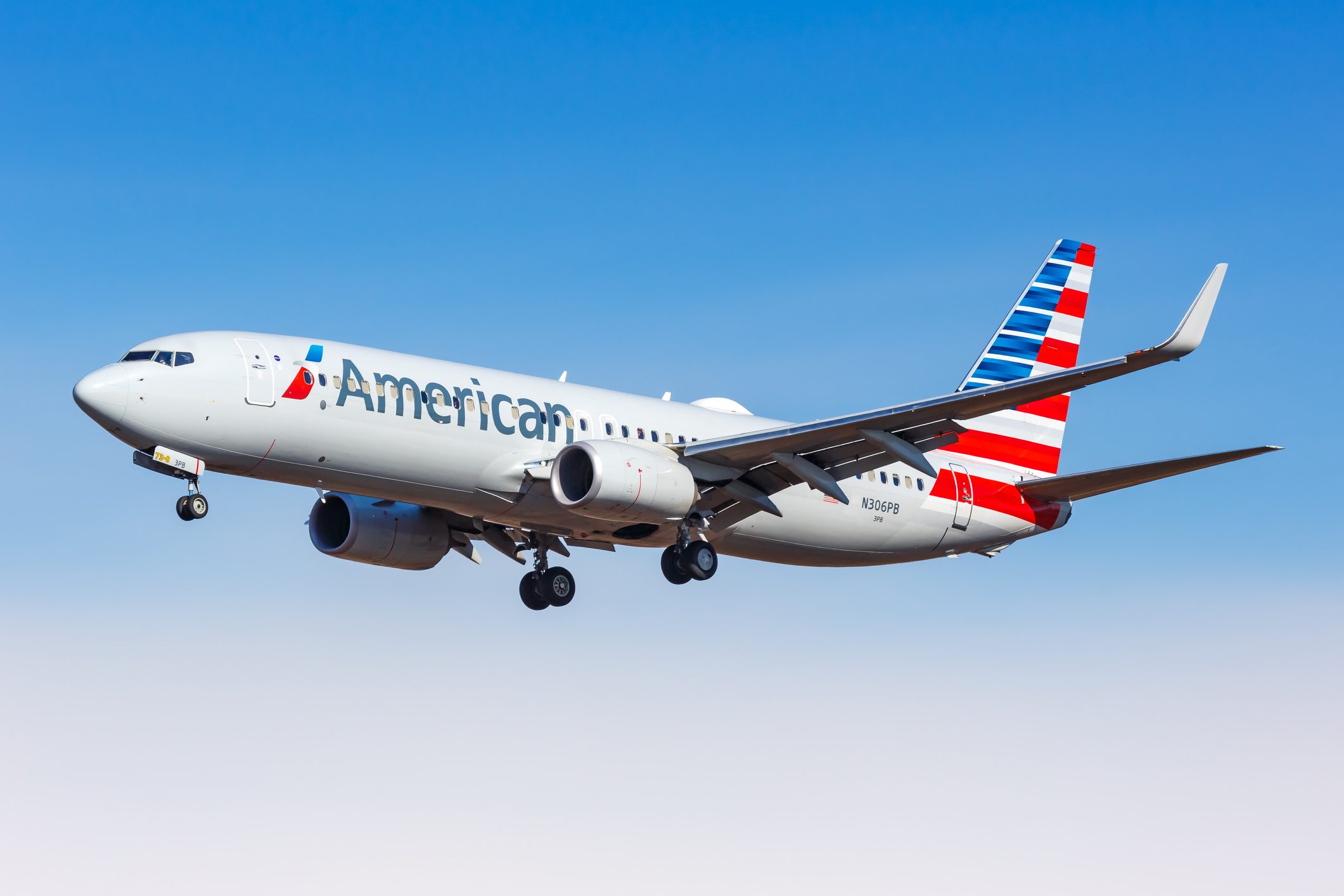
Avianca is scaling up in a very deliberate way for the 2026 World Cup, putting more than 3,000 flights and nearly 600,000 seats into the market to connect travelers with 10 of the tournament’s 16 host cities across North America.
That matters because this is not a one-route headline or a symbolic sponsorship tie-in. It is a network move. Avianca is using the depth of its Americas system to position itself as a practical tournament airline for fans traveling from across Latin America and beyond into key host markets in the United States, Mexico, and Canada.
The airline’s direct host-city reach includes Miami International Airport (MIA), New York John F. Kennedy International Airport (JFK), San Francisco International Airport (SFO), Los Angeles International Airport (LAX), Boston Logan International Airport (BOS), Dallas/Fort Worth International Airport (DFW), George Bush Intercontinental Airport (IAH), Mexico City International Airport (MEX), Monterrey International Airport (MTY), and Toronto Pearson International Airport (YYZ).
Read our stories in your inbox
Two aviation newsletters. Zero fluff.
That is a strong spread. It gives Avianca access to some of the tournament’s biggest international gateways while keeping the network concentrated in markets where it already has meaningful relevance.
This Is More Than a Capacity Surge
The easiest way to read the announcement is as a temporary seat increase for a major sporting event. That would undersell it.
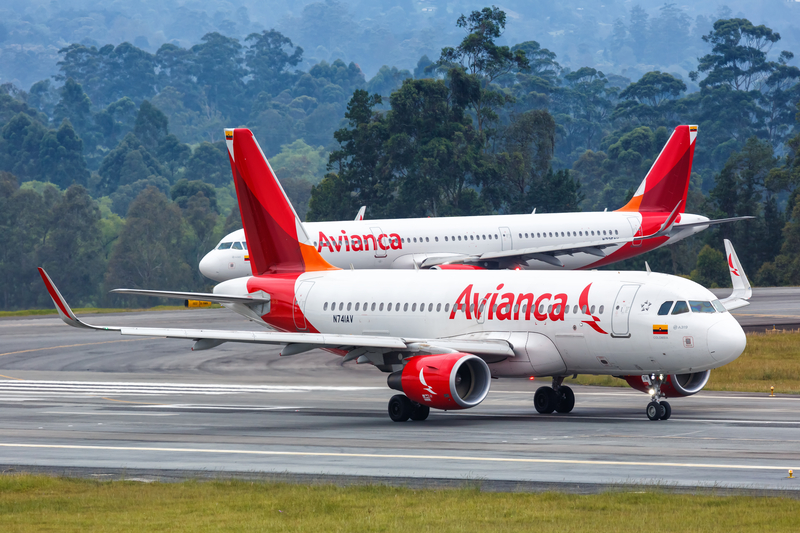
What Avianca is really doing is reinforcing its position as a pan-American connector. Unlike North American legacy carriers that are strongest within their own home markets, Avianca’s advantage lies in moving traffic across the hemisphere, especially from Central America and northern South America into the United States, Mexico, and Canada.
That makes a tournament like this especially well suited to the airline. Fans do not just need service to one city. They need options across multiple host markets, often with complex itineraries and differing budgets. Avianca’s network is designed for exactly that kind of traffic pattern.
Host-City Coverage Reflects a Smart Market Selection
The list of cities also tells its own story.
In the United States, Avianca is focusing on large, globally recognizable gateways such as MIA, JFK, LAX, BOS, DFW, IAH, and SFO. These are not just match destinations. They are strong origin-and-destination markets in their own right, with large Latin American communities, broad international demand, and extensive local travel infrastructure.

In Mexico, the choice of MEX and MTY is equally logical. Both are major business and aviation centers, and Monterrey in particular has become an increasingly important point of connectivity for northern Mexico. In Canada, YYZ gives Avianca the country’s biggest international gateway, which is exactly where tournament demand is most likely to concentrate.
This is what makes the plan look strategically serious rather than promotional. Avianca is not simply chasing World Cup visibility. It is aligning tournament travel with markets that already make sense for the airline.
Partners Fill the Remaining Gaps
Avianca has also been careful to acknowledge that it does not directly serve all 16 host cities. Instead, the remaining six destinations will be accessible through partner airlines.
That is an important detail because it shows the airline is not trying to overstate its own metal coverage. Just as importantly, it reflects a more mature network approach. Direct reach matters, but so does alliance and partner connectivity, especially when demand is concentrated around a short, high-profile event.
For passengers, that means the practical network is broader than Avianca’s own nonstop footprint. For the airline, it means it can sell a much more complete tournament proposition without having to launch entirely new flying just for the event.
Avianca Is Merchandising Flexibility, Not Just Seats
Another telling part of the announcement is the way Avianca is describing the product.
The airline is emphasizing flexibility across fare types, from lower-entry products to more premium options. That matters because event travel tends to be unusually mixed. Some passengers are highly price-sensitive and simply want to reach the host city at the lowest possible cost. Others are traveling on tighter timelines, with more baggage, better seat preferences, or a stronger willingness to pay for comfort.
By highlighting both accessibility and premium choice, Avianca is making clear that this is not just a volume play. It is a revenue-management opportunity as well.
The Bigger Strategic Message
For aviation readers, the bigger takeaway is that Avianca is using a global sporting event to reinforce something it already wants the market to believe: that it is one of the strongest connectors across the Americas.
That matters because the airline has spent the last several years rebuilding and reshaping its network around high-density regional demand, stronger U.S. exposure, and a more flexible commercial model. A large, high-profile event across the U.S., Mexico, and Canada gives it a platform to showcase that reach at scale.
In that sense, the World Cup campaign is not separate from Avianca’s broader strategy. It is a visible expression of it.
Bottom Line
Avianca’s plan to operate more than 3,000 flights and nearly 600,000 seats for the 2026 World Cup is not just a tournament travel push. It is a network statement.
By directly serving 10 host cities including MIA, JFK, LAX, SFO, BOS, DFW, IAH, MEX, MTY, and YYZ, Avianca is positioning itself as a key bridge between Latin America and the tournament’s North American footprint. The remaining host cities may sit outside its own-metal network, but partner access fills in the gaps.
For the airline, this is about more than fans filling stadiums. It is about proving the scale, flexibility, and relevance of its Americas network at one of the most visible travel moments on the calendar.
Keep reading FlyMag
Get the Daily Brief in the morning or the Route Watch weekly recap on Fridays. Or both.