Air Congo (4H) is moving ahead with its first major intra-African expansion even as a key piece of its fleet plan—two incoming ATR 72-600s—slides into mid-April 2026.
The airline, based at Kinshasa N’Djili (FIH), had expected to bring the 72-seat turboprops online sooner to deepen domestic connectivity. Instead, Air Congo CEO Mesfin Biru Weldegeorgis says the first delivery is now anticipated in the first week or mid-April, citing a mix of pre-delivery test sequencing and visa-related delays affecting technical teams traveling to the manufacturer for acceptance work.
The timing matters, but it doesn’t stop the headline growth move: Air Congo is still set to launch five new international markets in March and April—using its Boeing 737-800 fleet rather than the delayed ATRs.
Read our stories in your inbox
Two aviation newsletters. Zero fluff.
The aircraft delay: why the ATRs are stuck on the ground before they ever arrive
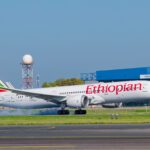
Air Congo’s two ATR 72-600s are being leased from shareholder Ethiopian Airlines and are intended to complement the airline’s jet operation with lower trip costs for thinner domestic sectors. But pre-delivery processes are heavily procedural—acceptance tests, documentation checks, and sign-offs that require the right people to be in the right place at the right time.
In this case, Air Congo has pointed to visa hold-ups affecting Ethiopian Airlines technical staff and Ethiopian Civil Aviation Authority representatives who need to travel for pre-delivery testing. That has pushed both turboprops into April, even as the airline’s regional growth ambitions continue.
For an airline building a new network, the practical implication is simple: jets will carry the international growth, while the turboprops—once delivered—are expected to do the heavy lifting on domestic route density and schedule frequency.
New routes: five African gateways added in March and April
Air Congo has moved quickly from a single international route—Addis Ababa (ADD)—to a multi-market plan spanning Southern, East, West, and Central Africa. The carrier has announced the following start dates:
-
March 28: Douala (DLA) and Cotonou (COO)
-
April 4: Dar es Salaam (DAR)
The Johannesburg (JNB) service is the most defined operationally so far. Schedule filings indicate it will operate 3x weekly from Kinshasa (FIH) via Lubumbashi (FBM) at least through October 24, 2026, using Boeing 737-800s.
That routing is more than a geography quirk. FBM is Air Congo’s key southern anchor in the Democratic Republic of Congo, and a via point can support both operational needs and revenue strategy—consolidating demand from two DRC markets into one international link while keeping aircraft utilisation efficient.
One important caveat: despite the route announcements and filings, these new international services were not yet bookable through the airline’s online booking engine at the time the plan was disclosed—suggesting the operation is still moving through final commercial setup and distribution steps.
Fleet reality: 737s now, ATRs later
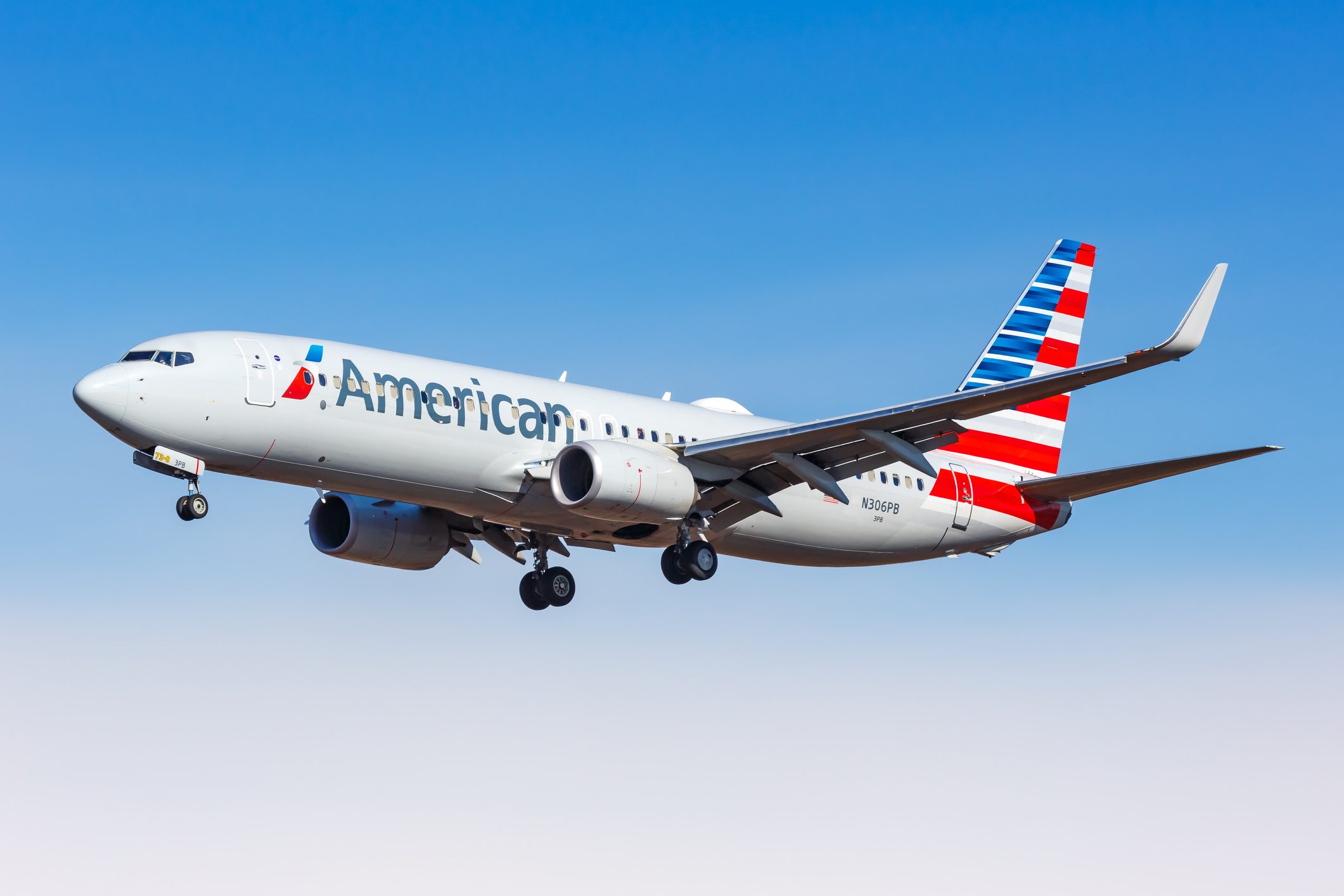
For the moment, Air Congo remains a jet-led operator. Its current fleet is built around three Boeing 737-800s—two dry-leased and one wet-leased from Ethiopian Airlines—providing the capacity and range to open longer intra-African sectors immediately.
The ATR 72-600s are meant to change the shape of the network once they arrive. In the DRC, where route economics can hinge on right-sizing and frequency rather than pure seat count, a modern 72-seat turboprop is the classic tool for building schedule relevance without forcing 737-level capacity into thinner markets.
Domestic base: a wide internal network feeding the hub at FIH
Air Congo’s domestic footprint also underpins the expansion logic. Beyond FIH and FBM, the airline serves markets including Gemena (GMA), Mbuji Mayi (MJM), Kananga (KGA), Goma (GOM), Kindu (KND), Kisangani (FKI), Kolwezi (KWZ), and Mbandaka (MDK)—exactly the kind of network that benefits from additional turboprop lift once the ATRs arrive.
Bottom Line
Air Congo is attempting something ambitious: expanding from one international route (FIH–ADD) into a five-market regional push—JNB, EBB, DLA, COO, and DAR—while simultaneously managing delays to its incoming ATR 72-600 fleet.
In the near term, the airline’s 737-800s will do the regional heavy lifting, with FIH–FBM–JNB already filed at three flights weekly. The longer-term story hinges on the ATRs arriving in April, giving Air Congo the aircraft type it needs to build frequency, improve route economics, and make its domestic network as scalable as its new international ambitions.
Keep reading FlyMag
Get the Daily Brief in the morning or the Route Watch weekly recap on Fridays. Or both.