Europe’s highest court has brought finality to one of the aviation industry’s longest-running competition cases, confirming nearly €776 million in cartel fines tied to air cargo pricing coordination.
In a series of judgments issued on February 26, 2026, the Court of Justice of the European Union (CJEU) rejected the last round of appeals brought by carriers challenging penalties that stem from coordinated conduct in the airfreight market between 1999 and 2006. The only meaningful adjustment was for SAS Cargo Group, which secured a fine reduction after the court identified errors in how the penalty was calculated.
For airlines, cargo divisions, and freight forwarders operating through major European gateways like Frankfurt (FRA), Paris Charles de Gaulle (CDG), Amsterdam Schiphol (AMS), London Heathrow (LHR), and Luxembourg (LUX), the significance isn’t just the headline figure. It’s the precedent: EU competition enforcement can reach conduct arranged outside Europe if the effects are felt inside Europe’s cargo lanes.
Read our stories in your inbox
Two aviation newsletters. Zero fluff.
What the cartel covered: surcharges and “commission-free” pricing
The conduct at issue wasn’t framed as a simple “base rate” price fix. Investigators focused on how airlines coordinated key components of cargo pricing, including:
-
Fuel surcharges
-
Security surcharges
-
Refusal to pay commission to freight forwarders on those surcharges
In the cargo world, those “add-ons” are not trivial. On many lanes, fuel and security components can represent a substantial portion of the all-in rate, and the commission decision directly affects forwarder economics. When competitors align on surcharge behavior, the impact can propagate across thousands of shipments moving in belly holds on widebody passenger aircraft—think Boeing 777-300ERs, 787-9 Dreamliners, Airbus A330s, and A350s—as well as on dedicated freighters like 777Fs and 747-8Fs feeding Europe’s manufacturing and pharma supply chains.
Who was involved—and who pays
The case involves 13 airlines in total. After the CJEU decisions, the practical outcomes break down like this:
Airlines fined (penalties now confirmed after final appeals):
-
Air France (hub: CDG)
-
KLM (hub: AMS)
-
British Airways (hub: LHR)
-
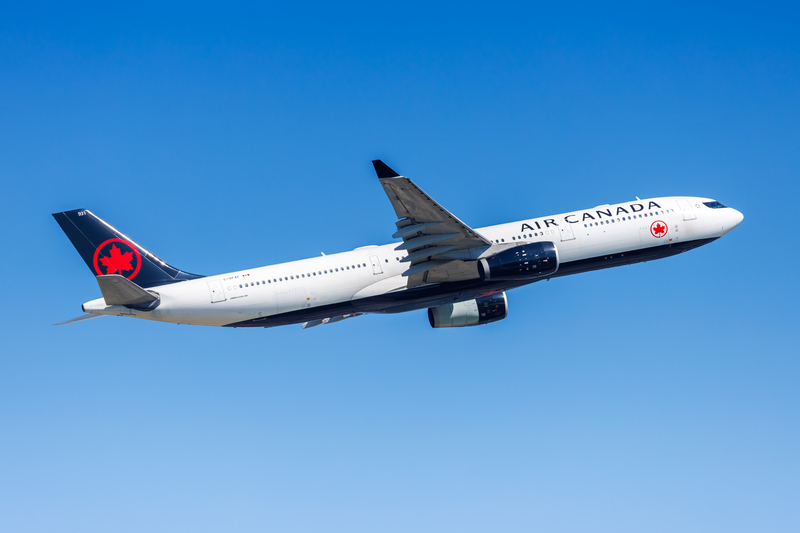
Air Canada (hub: Toronto Pearson, YYZ)
-
Japan Airlines (hubs: Tokyo Haneda, HND / Tokyo Narita, NRT)
-
Cathay Pacific (hub: Hong Kong, HKG)
-
Singapore Airlines / Singapore Airlines Cargo (hub: Singapore Changi, SIN)
-
Cargolux (hub: Luxembourg, LUX)
-
Martinair (cargo operations historically tied to AMS)
-
LATAM / Lan Cargo (key hubs across South America; European cargo flows often connect via MAD/AMS/CDG depending on partner networks)
SAS Cargo Group (partial relief):
-
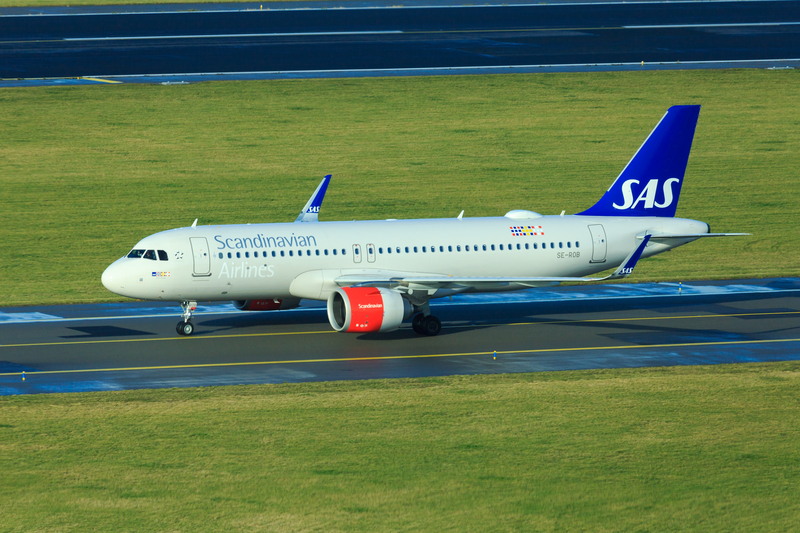
SAS Cargo Group secured a reduction, with its penalty lowered to €62.85 million from roughly €70 million following a calculation issue identified by the court.
Found guilty but not fined (leniency immunity):
-
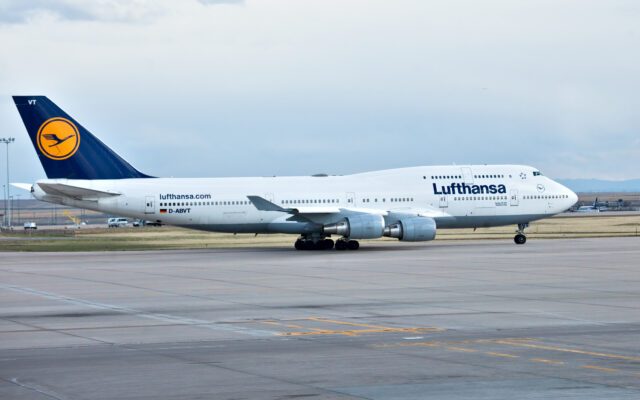
Lufthansa and its subsidiary SWISS were found to have participated but received full immunity from fines under EU leniency rules for alerting regulators and providing information. They still appealed the infringement finding itself—and lost. In other words, the “no fine” outcome stands, but so does the guilty ruling.
The biggest fines: where the weight landed
While the total confirmed fine pool is broadly unchanged, several figures stand out for cargo and compliance teams:
-
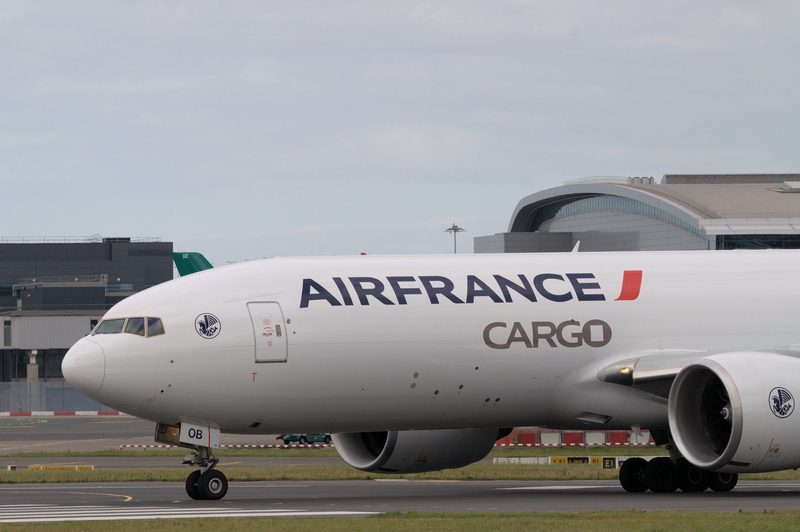
Air France: €182.9 million (largest single penalty)
-
KLM: €127.1 million
-
British Airways: €104 million
-
SAS Cargo Group: reduced to €62.85 million
Those numbers matter because they track how EU regulators view scope of participation and market impact—especially on high-volume Europe-touching lanes that run through hubs like CDG, AMS, LHR, and FRA.
Why this case took so long: 2010 → 2015 → 2017 → 2022 → 2026
The timeline is a masterclass in how complex cartel litigation becomes when it spans multiple jurisdictions and legal tests:
-
2010: The European Commission imposed the first round of fines (about €790 million total).
-
2015: The EU’s General Court overturned those penalties on procedural grounds (rights-of-defense issues and internal contradictions).
-
2017: The Commission reissued the decision with revised reasoning and imposed fines totaling €776 million.
-
2022: The General Court largely upheld the 2017 decision, adjusting some elements and fine calculations.
-
2026: The CJEU has now rejected the final appeals (with the SAS adjustment being the exception), effectively ending the case at EU level.
For industry leaders, the operational lesson is simple: when regulators detect coordination in a market as global as air cargo, legal exposure can outlast aircraft leases, fleet cycles, and even entire business models.
The legal precedent airlines can’t ignore: “qualified effects” and route scope
Two aspects of the court’s reasoning have long-term compliance implications:
1) EU jurisdiction can extend to conduct outside Europe
The court reaffirmed that EU authorities can act when conduct is foreseeable to have immediate and substantial effects in the EU/EEA—an important point for carriers whose cargo pricing decisions are centralized outside Europe but sold into Europe-bound lanes.
2) Liability can extend beyond the routes a carrier actually operates
The court reiterated that an airline may be held liable even on lanes it doesn’t physically fly if it knowingly contributed to the cartel’s common objectives and was aware of the broader scheme.
That second point is particularly uncomfortable in today’s cargo ecosystem, where interline arrangements, block-space agreements, and alliance/partner selling can blur the lines between “our lane” and “our commercial footprint.”
Why it matters now, even though the conduct ended in 2006
Cargo is once again a board-level topic at many carriers—not only because yields spiked during the pandemic-era supply crunch, but because belly cargo remains a material margin contributor on long-haul networks. Even as passenger demand dominates headlines, airlines still design widebody schedules around combined passenger + freight economics, especially through hubs like FRA, AMS, CDG, LHR, and LUX.
This ruling is a reminder that the cargo side cannot be treated as a “back office” commercial function. Pricing governance, surcharge policy, communications discipline, and recordkeeping are now as much a safety-of-business issue as a compliance formality—because enforcement risk can reach across continents and persist for decades.
Bottom Line
The CJEU’s February 26, 2026 decisions lock in roughly €776 million in air cargo cartel fines and end the last meaningful legal effort to overturn them. SAS Cargo Group won a limited reduction, while Lufthansa/SWISS remain guilty but immune from financial penalties due to leniency cooperation.
For airline professionals, the lasting takeaway isn’t the dollar figure—it’s the precedent: Europe will enforce competition rules against global cargo conduct when Europe-bound lanes are affected, and the legal tail can stretch long beyond the flight schedules that originally carried the freight.