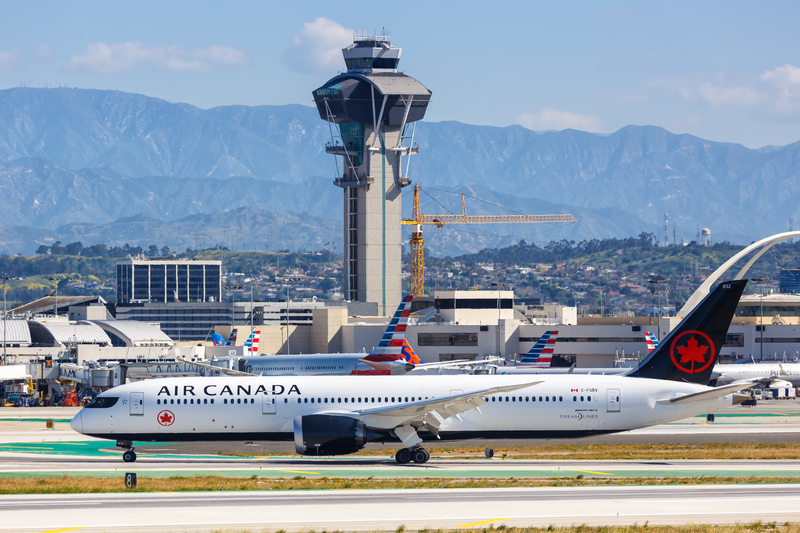
Air Canada is sharpening its Winter 2026/27 network with a mix of genuinely new flying and strategic upgrades to existing routes. The headline is new service to Quito (UIO) from both Montréal (YUL) and Toronto (YYZ) starting December 2026, but the more telling story sits underneath: Air Canada is using next-generation aircraft to make “summer-only” markets work year-round, while also reinforcing its Latin America portfolio for both passenger demand and cargo lift.

Air Canada says flights are available for purchase now via its usual sales channels, including aircanada.com.
Route changes at a glance
To keep it clean for publishing and ops readers, here’s the core of what’s new and what’s changing:
Read our stories in your inbox
Two aviation newsletters. Zero fluff.
-
New: Quito (UIO)
-
YUL–UIO: 3x weekly starting early December 2026
-
YYZ–UIO: 1x weekly starting early December 2026
-
Aircraft: Boeing 787-8 Dreamliner
-
-
Upgraded to year-round: Manchester (MAN) and Copenhagen (CPH)
-
YYZ–MAN becomes year-round from October 2026
-
YYZ–CPH becomes year-round from October 2026
-
Aircraft: Airbus A321XLR (Air Canada’s long-range narrowbody with lie-flat Signature Class seating)
-
-
More sun from Calgary (YYC)
-
Expanded winter flying in South America
Why Quito (UIO) is a very “Air Canada” move
Adding Quito (UIO) fits Air Canada’s current playbook: connect a high-interest leisure/business market into its hubs, and let the onward network do the work. From YUL and YYZ, Air Canada can feed UIO with a broad catchment across Canada and the U.S. while also giving Ecuador-bound travelers a single-carrier itinerary instead of stitching together multiple connections.
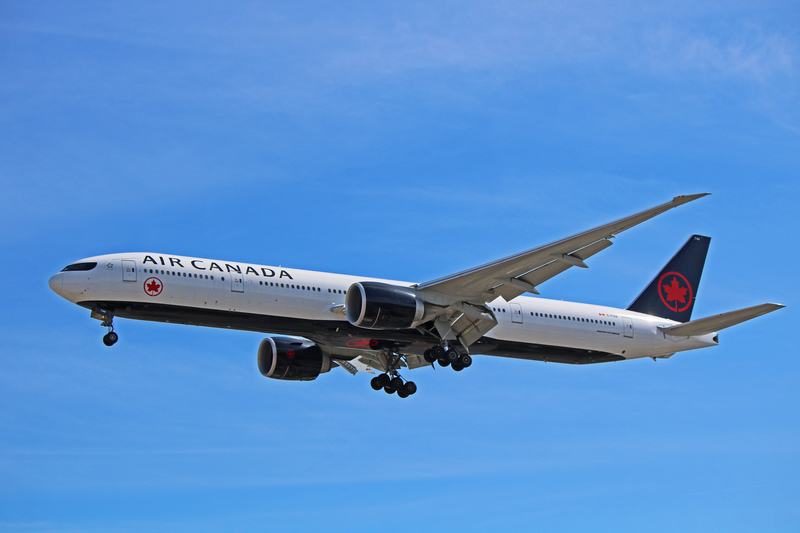
The aircraft choice is also revealing. The Boeing 787-8 is a long-haul tool Air Canada knows well: composite structure, long range, strong fuel efficiency, and a cabin platform that works across Signature Class, Premium Economy, and Economy. On a route like YUL/YYZ–UIO, the 787-8 also brings a meaningful cargo advantage—Ecuador is a major exporter of time-sensitive goods, and a widebody’s belly capacity can materially improve route economics in winter when passenger demand can be more variable.
UIO itself is not an “easy” station operationally. Mariscal Sucre International (UIO) sits at roughly 7,800–7,900 feet elevation, and high-elevation airports naturally penalize performance margins, especially on warmer days. Air Canada leaning on the 787-8 here signals it wants the combination of range, payload flexibility, and passenger product consistency that a true long-haul widebody offers.
The A321XLR angle: turning seasonal Europe into year-round flying
The most aviation-nerdy part of this announcement is the Airbus A321XLR piece.
Air Canada is using the XLR to convert YYZ–MAN and YYZ–CPH into year-round routes beginning October 2026—a classic example of right-sizing long-haul capacity. Markets like Manchester (MAN) and Copenhagen (CPH) can be strong in summer but harder to sustain with a larger widebody through winter. A long-range narrowbody changes the math:
-
Lower trip costs can protect yields in shoulder and winter periods
-
Frequency can be maintained without dumping too much capacity into the market
-
The schedule becomes more dependable for connections through YYZ
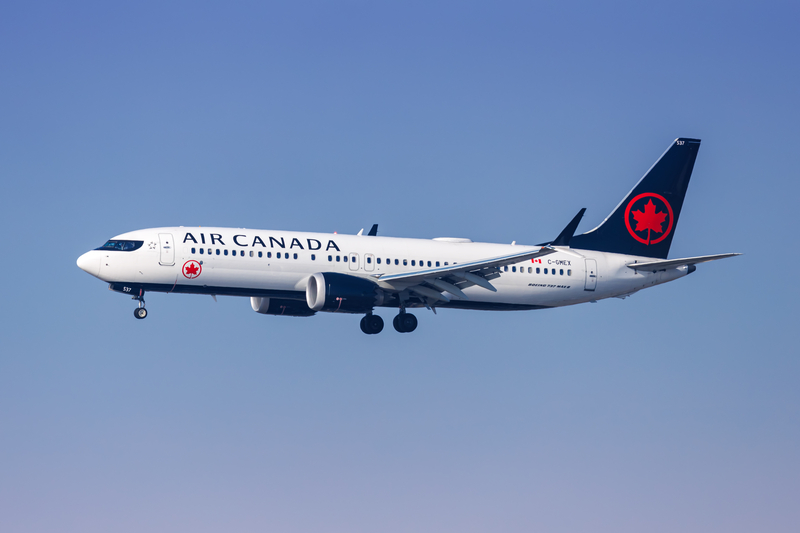
From a product standpoint, Air Canada is positioning the A321XLR as a premium-capable narrowbody. The airline’s published XLR layout is 182 seats, including 14 lie-flat Signature Class seats in a 1-1 configuration, with the balance in Economy. For corporate contracts and high-value leisure travelers, that matters: the airline can keep a credible premium cabin on thinner long-haul routes without having to upgauge to a widebody.
Calgary’s winter Mexico push strengthens Western Canada connectivity
The additions from Calgary (YYC) to Cancún (CUN) and Puerto Vallarta (PVR) reinforce a pattern Air Canada has leaned into: build more nonstop leisure utility from Western Canada without forcing everything over YYZ or YVR. For YYC specifically, Mexico flying is a reliable winter demand engine, and adding more seats here can reduce pressure on connection-heavy itineraries while keeping aircraft utilization healthy during the peak sun season.
Expanded South America: the network-and-cargo double win
Air Canada also flagged expanded winter service to Rio (GIG), Santiago (SCL), and Lima (LIM)—a trio that performs well when northern markets are in deep winter and “sun plus visiting friends and relatives” traffic rises. For an airline with a large cargo business, these markets also tend to offer strong belly cargo opportunities, which can be especially valuable when passenger demand is uneven across the season.
Bottom Line
Air Canada’s Winter 2026/27 changes aren’t just new dots on a map—they’re a signal of how the airline intends to grow: widebodies where cargo and long-haul consistency matter (UIO on the 787-8), and long-range narrowbodies where right-sizing turns seasonal Europe into year-round flying (YYZ–MAN and YYZ–CPH on the A321XLR). Add in more winter lift to South America and new/returning YYC–Mexico service, and this looks like a deliberate, hub-led schedule designed to capture winter demand while keeping aircraft economics tight.
Keep reading FlyMag
Get the Daily Brief in the morning or the Route Watch weekly recap on Fridays. Or both.