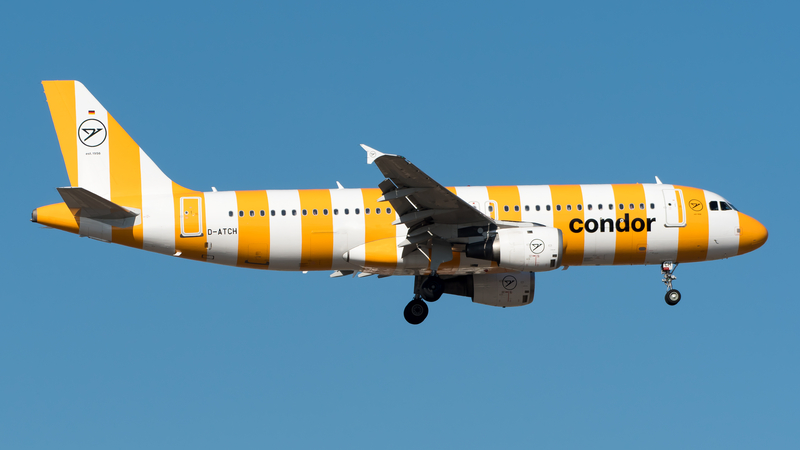
Condor is overhauling its baggage policy in two stages, with larger carry-on allowances arriving in 2026 and more generous checked baggage rules following in 2027.

At first glance, this looks like a straightforward customer-service update. In reality, it signals something bigger. Condor is trying to move further away from the image of a classic leisure carrier with destination-by-destination quirks and toward the consistency of a broader network airline. Baggage rules may seem mundane, but they are one of the clearest places where airlines reveal how they want passengers to experience the brand.
That is why this change matters more than the headline numbers alone suggest.
Read our stories in your inbox
Two aviation newsletters. Zero fluff.
The Carry-On Rules Get Standardized First
The first phase takes effect on May 1, 2026.
From that date, Condor will apply a standardized maximum carry-on size of 55 × 40 × 23 cm. The airline is also increasing the size of the small personal item included in every fare to 40 × 30 × 15 cm.

That may sound like a modest technical adjustment, but for passengers it is one of the most useful kinds of airline change: clearer rules that apply the same way across the network. Standardization reduces confusion at check-in, at the gate, and during connections, especially when passengers are comparing airlines or combining itineraries.
For Condor, this is also about reducing friction. The more straightforward the carry-on policy is, the less room there is for misunderstanding and inconsistency.
The Bigger Change Arrives In 2027
The more generous and more strategically important part of the overhaul comes a year later.
From May 1, 2027, Condor will replace its destination-based checked baggage structure with uniform baggage rules across the network. That means the allowance will no longer vary depending on where a passenger is flying. Instead, it will be tied more cleanly to cabin and fare structure.
Under the new system:
- Economy Class will include one 23 kg checked bag, up from 20 kg
- Premium Economy will include one 32 kg checked bag, up from 25 kg
- Business Class will include two 32 kg checked bags, up from two 30 kg bags
That is a meaningful upgrade, especially in Premium Economy, where the jump is large enough to materially change how passengers pack for longer trips.
The Most Important Word In This Story Is “Uniform”
The biggest strategic signal in the announcement is not the extra kilos. It is the move away from destination-based rules.
That change matters because route-specific baggage structures are often associated with more fragmented airline models, particularly leisure carriers that have built policies around market-by-market pricing logic. A uniform baggage structure is more typical of an airline that wants to look simpler, more predictable, and easier to combine with partner traffic.
That is especially relevant for Condor now. The airline has been positioning itself as more than just a holiday carrier, and baggage harmonization fits neatly into that broader effort.
In other words, this is not just a baggage change. It is a network-carrier signal.
Connecting Traffic Is Clearly Part Of The Logic
Condor has been explicit that the new baggage structure is meant to simplify travel, especially for connecting itineraries.
That is an important clue. Airlines do not usually emphasize connection simplicity unless they are trying to make the network more usable beyond pure point-to-point flying. A passenger making a through journey is much more likely to notice inconsistencies in baggage policy than someone just flying nonstop to a beach destination.
By making the rules route-independent, Condor is effectively reducing one of the small but persistent frictions that can make combined itineraries feel awkward or uncertain.
That may sound minor, but in airline strategy, small friction points often matter more than glossy product upgrades.
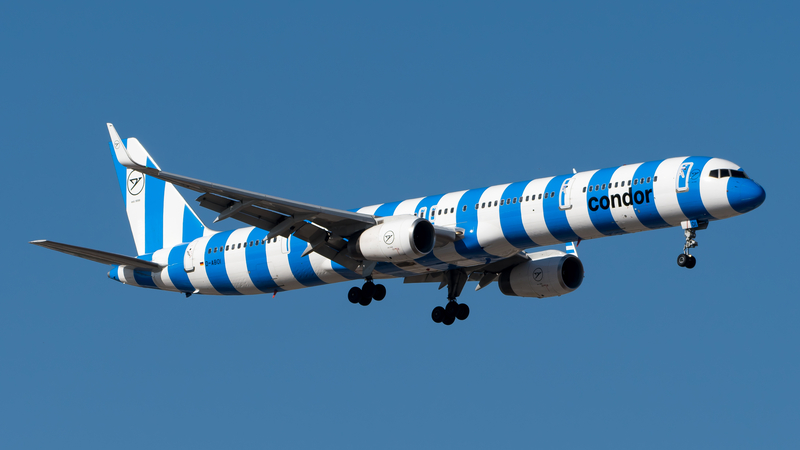
Premium Economy Benefits The Most
From a passenger-value perspective, Premium Economy may be the biggest winner.
Moving from 25 kg to 32 kg is not a trivial increase. It puts the baggage allowance much closer to what travelers often expect from a premium long-haul product and makes the cabin easier to position between standard Economy and Business Class in a more meaningful way.
That matters because Premium Economy is one of the most commercially important products in modern long-haul aviation. Airlines want it to feel clearly better than Economy without cannibalizing Business. More baggage is one of the easiest ways to strengthen that perception without changing the seat itself.
For Condor, that makes the baggage upgrade a useful product-design move as well as a policy simplification.
Business Class Gets A Cleaner International Standard
Business Class also becomes easier to understand.
Two 32 kg bags is a much more recognizable long-haul premium standard than two 30 kg bags, especially for international travelers who compare multiple carriers before booking. It may not look like a huge increase on paper, but it brings the product into closer alignment with what many premium travelers already expect from a global airline.
That kind of alignment matters because baggage policies are part of how a premium cabin is judged, even when they are rarely the first thing passengers think about.
Economy’s Increase Is Small But Commercially Smart
The Economy Class increase from 20 kg to 23 kg is the smallest headline jump, but it may have the broadest customer impact.
Three extra kilograms will not transform the trip, but it does make the base product feel a little less restrictive, especially on leisure routes where checked baggage is common and passengers often travel with more than just short-break luggage.
For a carrier like Condor, which still has strong leisure DNA, that is a sensible move. It improves the customer proposition without fundamentally changing the revenue model.
This Is Also About Brand Positioning
Ultimately, this announcement is as much about identity as it is about baggage.
Condor is trying to present itself as a more coherent airline with more internationally familiar standards, clearer rules, and a product easier to compare with larger network competitors. When airlines talk about transparency, consistency, and reduced complexity, they are often talking about brand evolution just as much as operational simplification.
That is exactly what this looks like here.
Bottom Line
Condor’s new baggage rules do improve the passenger proposition, but the bigger significance is what they say about the airline’s direction.
The 2026 carry-on standardization and the 2027 move to uniform checked baggage allowances across all routes are not just customer-friendly tweaks. They are part of a broader effort to make Condor look and feel more like a network airline with consistent global standards rather than a leisure carrier with market-by-market exceptions.
For passengers, the result is clearer rules and more generous allowances. For Condor, the result is something just as valuable: a simpler, more mature product identity.
Keep reading FlyMag
Get the Daily Brief in the morning or the Route Watch weekly recap on Fridays. Or both.