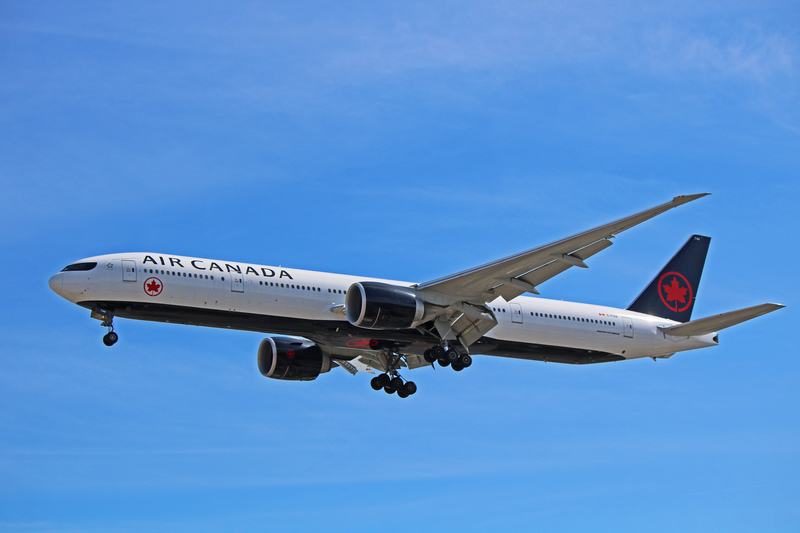
Air Canada is launching seven new or returning long-haul routes in June 2026, giving the airline one of its busiest months of long-haul network growth in recent years.

The additions are spread across Toronto, Montreal, and Halifax, and they reveal a very clear strategy: restore important Asian flying, deepen Central and Southern Europe, and use a mix of 787s, 737 MAX 8s, and the emerging A321XLR plan to make thinner long-haul markets work more efficiently.
For aviation readers, this is not just a list of launches. It is a snapshot of how Air Canada now wants to grow internationally.
Read our stories in your inbox
Two aviation newsletters. Zero fluff.
The Seven June Route Launches
Air Canada’s June 2026 long-haul additions are:
- Toronto – Shanghai Pudong
- Toronto – Budapest
- Toronto – Ponta Delgada
- Montreal – Nantes
- Montreal – Catania
- Montreal – Palma de Mallorca
- Halifax – Brussels
Some are true new markets for the airline, while others are returns or strategic restarts. What ties them together is that none are random. Each one fits a very specific piece of Air Canada’s broader international network logic.
Toronto Gets The Most Strategic Pair: Shanghai And Budapest
The most significant Toronto additions are Shanghai and Budapest.
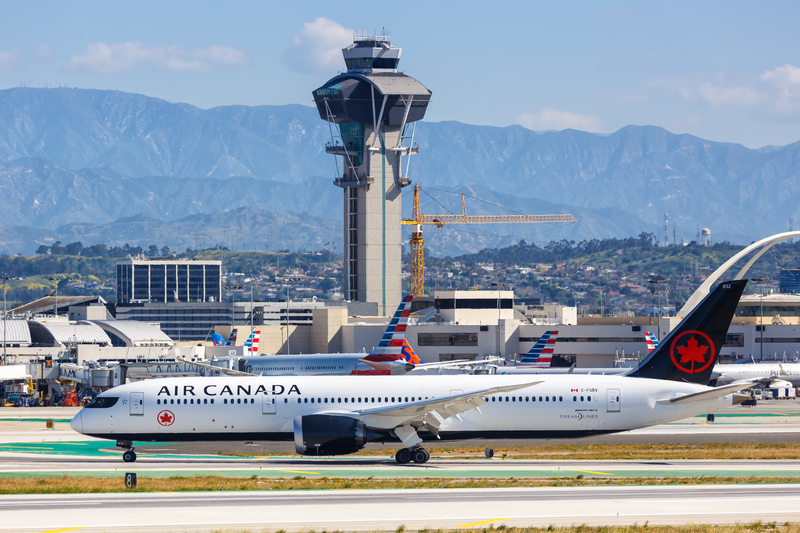
Toronto–Shanghai
The return of Toronto Pearson (YYZ) – Shanghai Pudong (PVG) is especially important because it restores one of Air Canada’s key China links after years of disruption. That matters well beyond route count. Shanghai is one of the airline’s most commercially important long-haul markets in Asia, and bringing it back says a lot about how Air Canada sees demand recovering across the Pacific.
This is not a niche relaunch. It is a serious network restoration.
Toronto–Budapest
The launch of Toronto–Budapest is different in character but still important. Budapest had previously seen Air Canada Rouge service in earlier years, but the move to mainline operation gives the Hungarian market a stronger and more premium long-haul profile. It also fits Toronto’s role as Air Canada’s strongest eastbound international hub for Central and Eastern Europe.
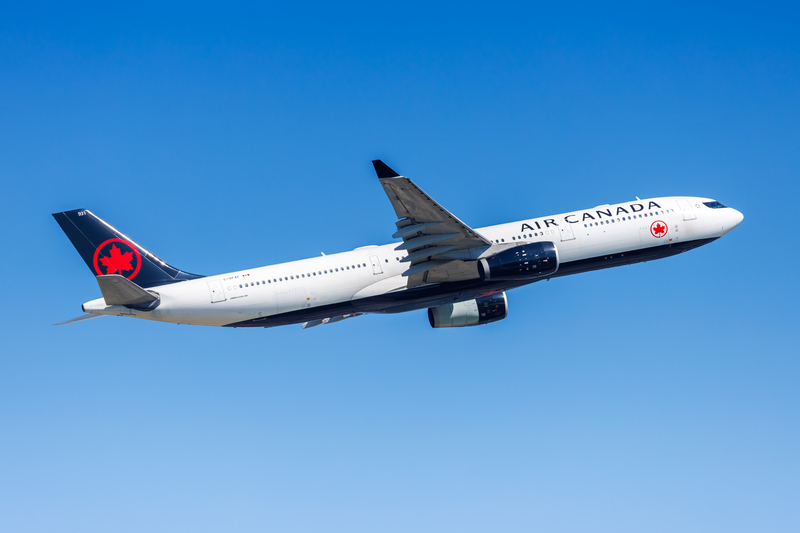
Together, Shanghai and Budapest show Toronto being used for both strategic restoration and higher-value network broadening.
Ponta Delgada Shows Air Canada Still Likes Thin Atlantic Markets
The third Toronto launch is Ponta Delgada in the Azores.
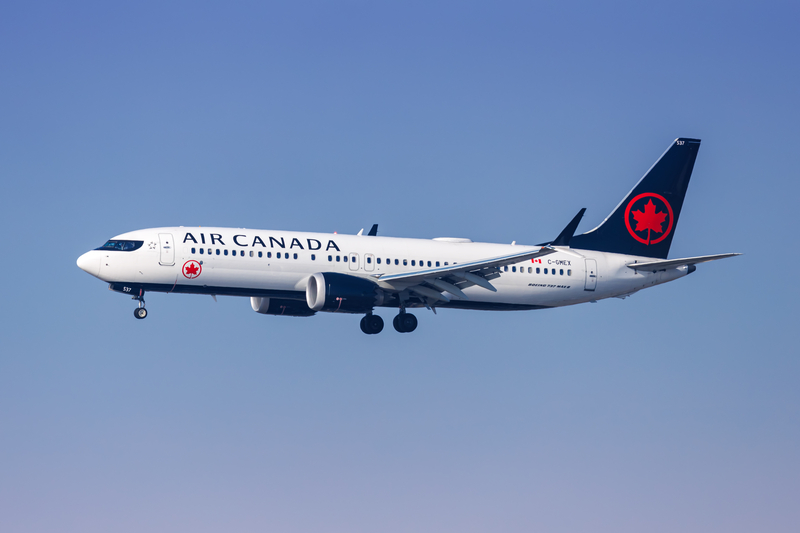
This route may not be long-haul in the classic Asia or deep-Europe sense, but it still fits the same strategic pattern: thinner transatlantic flying using the right-sized aircraft. Air Canada is using the 737 MAX 8 here, which is exactly the kind of aircraft that makes a market like the Azores viable without needing widebody scale.

That matters because it shows the airline is not only growing by adding more 787 flying. It is also using narrowbodies to widen the Atlantic map intelligently.
Montreal Gets The Most Interesting New Leisure-Heavy Routes
Montreal’s June additions are especially revealing because they show where Air Canada sees room in secondary Europe and the Mediterranean.
Montreal–Nantes
Montreal–Nantes is a smart fit for YUL. It is a France market with strong cultural and family-travel logic, and it adds a city pair that can work well from Montreal’s particular traffic mix.
Montreal–Catania
Montreal–Catania is more eye-catching. It gives Air Canada a first-ever direct route to Sicily from Canada and places the airline into a market that has been gaining a lot more North American attention. Sicily is no longer just a niche Mediterranean destination. It is becoming one of the more interesting secondary-southern-Europe markets for transatlantic airlines, especially in summer.
Montreal–Palma de Mallorca
Montreal–Palma de Mallorca does something similar on the Balearic side. It is another first for Canada and another sign that Air Canada wants to use Montreal not just for the usual Paris-London-Rome-type markets, but also for strong seasonal leisure destinations that can justify a summer long-haul operation.
These are not giant trunk routes. They are carefully chosen, high-value summer markets.
Halifax–Brussels Is Quietly One Of The Most Interesting Additions
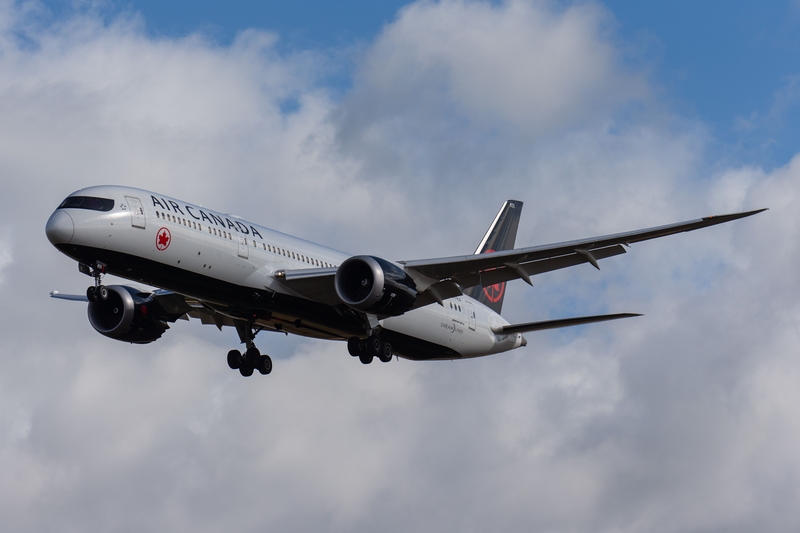
The final June launch is Halifax–Brussels, and in some ways it is one of the most strategically interesting of the lot.
Halifax is not one of Air Canada’s giant hubs, but it is a very useful Atlantic gateway, and Brussels adds a meaningful European capital with alliance relevance and onward connectivity. The fact that Air Canada is willing to launch this route from Nova Scotia tells you a lot about how much confidence it now has in thinner transatlantic flying from secondary Canadian gateways.
Like Ponta Delgada, this is exactly the kind of market that becomes much more plausible when the aircraft and the route are matched carefully.
The Fleet Mix Tells Its Own Story
One of the strongest themes running through all seven launches is aircraft flexibility.
Air Canada is using:
- 787-9s on major restored or strategic long-haul routes such as Shanghai
- 787-8s on thinner but still important long-haul markets like Budapest, Catania, and Palma de Mallorca
- 737 MAX 8s on long-thin transatlantic routes such as Ponta Delgada and Halifax–Brussels
- and, in the wider 2026–2027 planning cycle, eventually A321XLRs to deepen that same long-thin strategy further
That is what makes this expansion especially interesting. Air Canada is not growing with one blunt fleet tool. It is using a much more layered fleet approach to support different kinds of international routes.
Bottom Line
Air Canada’s seven June 2026 long-haul launches show an airline widening its international map in a very deliberate way. Toronto gets the most strategically important returns and restorations, Montreal deepens its role in secondary and Mediterranean Europe, and Halifax gets a surprisingly ambitious transatlantic add.
The bigger takeaway is not just that Air Canada is growing. It is that the airline now has a much clearer idea of how it wants to grow: restore key Asian routes, add higher-value secondary Europe, and use the right aircraft for thinner long-haul markets rather than forcing everything through a widebody-only model.