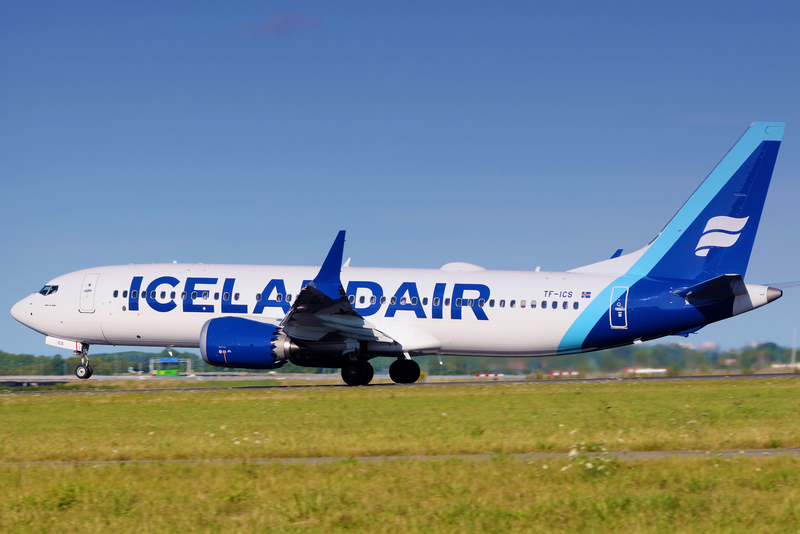
Icelandair carried 342,000 passengers in March 2026, a 10% increase year over year, extending the momentum the airline has been building through the winter and shoulder seasons.

That headline matters, but the composition of the traffic matters more. Icelandair’s strongest growth came in point-to-point demand tied directly to Iceland rather than in pure connecting traffic. Passenger volumes to Iceland rose 16%, while outbound traffic from Iceland climbed 32%. By contrast, connecting passengers fell 6%.
That shift says a great deal about the airline’s current strategy. Icelandair is leaning harder into the local Iceland market, where demand appears stronger and yields are improving, rather than relying as heavily on the traditional transatlantic connection model through Keflavík Airport (KEF).
Read our stories in your inbox
Two aviation newsletters. Zero fluff.
Higher Yields Suggest the Mix Is Improving
The point-to-point shift was not just good for passenger numbers. It also helped pricing.
Icelandair said the stronger focus on traffic to and from Iceland was the biggest contributor to an 11% increase in yields during the month. For airline professionals, that is one of the most important figures in the release. Volume growth is useful, but yield growth says the airline is carrying the kind of traffic it wants.

That is why the March figures look stronger than a simple traffic increase might suggest. Icelandair is not just filling more seats. It is improving the quality of the demand mix at the same time.
Load Factor Stayed Strong Despite the Weather
The airline’s load factor held at 83.5%, matching last year’s March record. That is a notably solid result given the operating conditions.
On-time performance, however, dropped to 75.4%, and Icelandair directly tied that decline to challenging weather conditions in Iceland during the latter part of the month. That is an important caveat. The weaker punctuality result was not presented as a demand or scheduling issue, but as an operational consequence of local weather disruption.

In other words, March showed two things at once: the network remained commercially resilient, but the operating environment was not easy.
Leasing and Cargo Added Useful Support
The wider business also performed well outside the core passenger operation.
Icelandair said sold block hours in leasing operations rose 45% in March, while freight, measured in freight ton kilometers, increased 7%. Those numbers matter because they help balance seasonality and reduce reliance on passenger revenue alone.
For a carrier like Icelandair, leasing growth is especially useful. It provides another earnings stream at a time of year when North Atlantic seasonality can still weigh on the core network. The 45% jump suggests that part of the business is becoming a more meaningful stabilizer rather than a side note.

Fuel Costs Are Now a Bigger Concern
The airline also made clear that March was not without growing financial pressure.
Icelandair said fuel prices rose sharply during the month alongside heightened geopolitical unrest in the Middle East. In response, it has already implemented fare increases, cost-control measures, and capacity adjustments for the second quarter.
That is an important signal. It shows Icelandair is not waiting to see whether fuel pressure fades on its own. The airline is already acting to protect margins, even while demand remains solid.
Bottom Line
Icelandair’s March performance was strong for two reasons: passenger numbers rose, and the traffic mix improved.
Carrying 342,000 passengers was a good result on its own, but the more important takeaway is that the airline’s focus on travel to and from Iceland is producing stronger yields and helping balance the business away from pure connecting dependence. Even with weather-related disruption weighing on punctuality, load factor remained high and leasing activity provided additional support.
For aviation readers, that is the real story. Icelandair is not just growing. It is growing in a way that looks more commercially deliberate.
Keep reading FlyMag
Get the Daily Brief in the morning or the Route Watch weekly recap on Fridays. Or both.