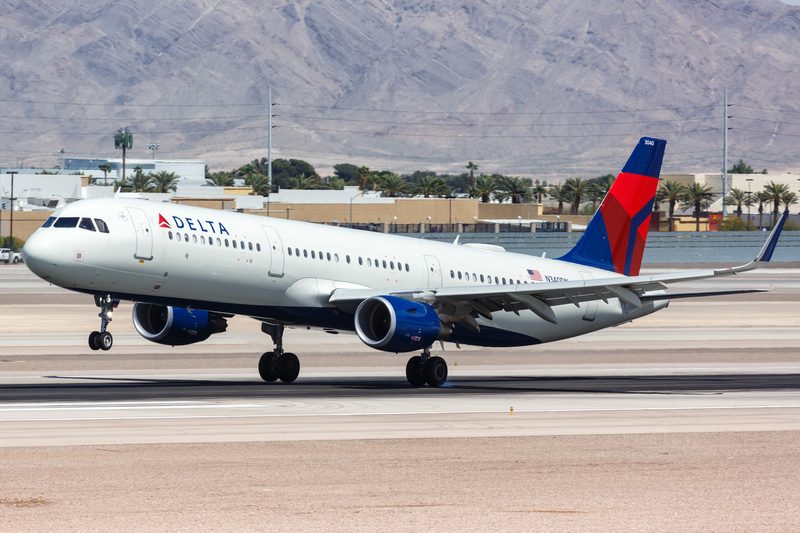
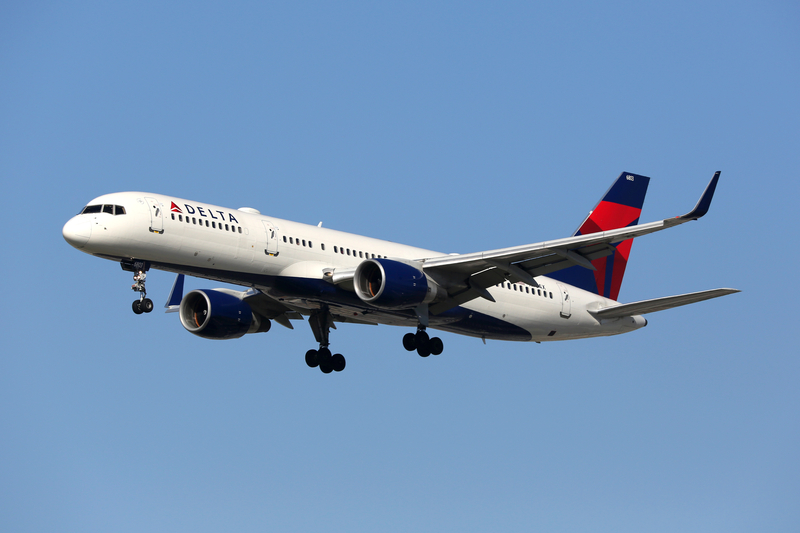
Delta Air Lines is raising checked baggage fees on domestic and select short-haul international routes, joining a growing list of U.S. carriers leaning harder on ancillary charges as fuel costs climb.

The new pricing applies to tickets purchased from April 8 onward. For affected itineraries, a first checked bag now costs $45, a second $55, and a third $200. That makes Delta another major U.S. airline to move higher on bag fees in recent days, following similar action elsewhere in the market.
The important point is that this is not a network or fleet story. It is a pricing story. Delta is using one of the airline industry’s most familiar revenue levers to offset a sudden cost shock without rewriting its entire fare structure.
Read our stories in your inbox
Two aviation newsletters. Zero fluff.
Fuel Pressure Is Driving the Timing
The timing is not difficult to understand. Jet fuel prices have surged sharply as instability in the Middle East has disrupted a critical part of the global energy system.
For airlines, that matters immediately. Fuel remains one of the largest and most volatile operating costs in the business, and sudden spikes tend to force quick responses. Carriers can raise base fares, trim capacity, or lean more heavily on ancillary revenue. Bag fees are often the fastest and easiest lever to pull because they generate cash without making the headline ticket price look dramatically higher.
That is exactly what Delta appears to be doing here. Rather than spreading the full cost shock across every fare, it is pushing more of the burden into optional or semi-optional charges tied to travel behavior.
Who Gets Hit, and Who Does Not
The increase is targeted rather than universal.
Delta says the higher fees apply on domestic and select short-haul international routes, while long-haul international services are not affected. The usual exemptions also remain in place. That means many premium-cabin travelers, Medallion elites, active-duty military passengers, and eligible co-branded credit card holders will continue to avoid or reduce baggage charges.
That structure is important because it shows how carefully airlines now use ancillary pricing. The goal is not simply to charge everyone more. It is to raise revenue while preserving benefits for the passengers Delta most wants to keep loyal and engaged.
In that sense, bag-fee increases are doing two jobs at once: helping offset costs and reinforcing the value of status, premium fares, and credit card partnerships.
Delta Is Following a Familiar Industry Playbook
There is nothing especially unusual about the mechanism. When cost pressure rises quickly, airlines often prefer ancillary fee increases to across-the-board fare hikes.
That is because base fares remain highly visible and highly competitive. Bag fees, by contrast, are easier to change and can be avoided by some passengers, which makes them less likely to damage the airline’s broader pricing posture in the market.
This is also why the latest change should be read as part of a wider industry response rather than as an isolated Delta move. Airlines are trying to protect margins in an environment where fuel costs are rising faster than they can comfortably absorb.
The Bigger Issue for Travelers
For passengers, the practical takeaway is simple: the advertised fare matters less than ever on its own.
A traveler buying a low headline fare may now face a noticeably higher total trip cost once baggage is added, especially on domestic and shorter international routes where checked bags are more common. That is not new in airline pricing, but fuel-driven fee increases make the gap between advertised price and all-in cost even more important.
For leisure travelers and families, that effect can be especially visible. A $10 increase per checked bag sounds manageable in isolation. Multiplied across several passengers and roundtrip travel, it becomes much more noticeable.
Bottom Line
Delta’s new checked baggage fees are less about baggage than about cost recovery.
The airline is using ancillary pricing to respond to a fuel shock while keeping its broader fare structure competitive. Domestic and short-haul travelers will feel the impact most, while premium passengers, elites, and certain cardholders remain relatively protected.
Keep reading FlyMag
Get the Daily Brief in the morning or the Route Watch weekly recap on Fridays. Or both.