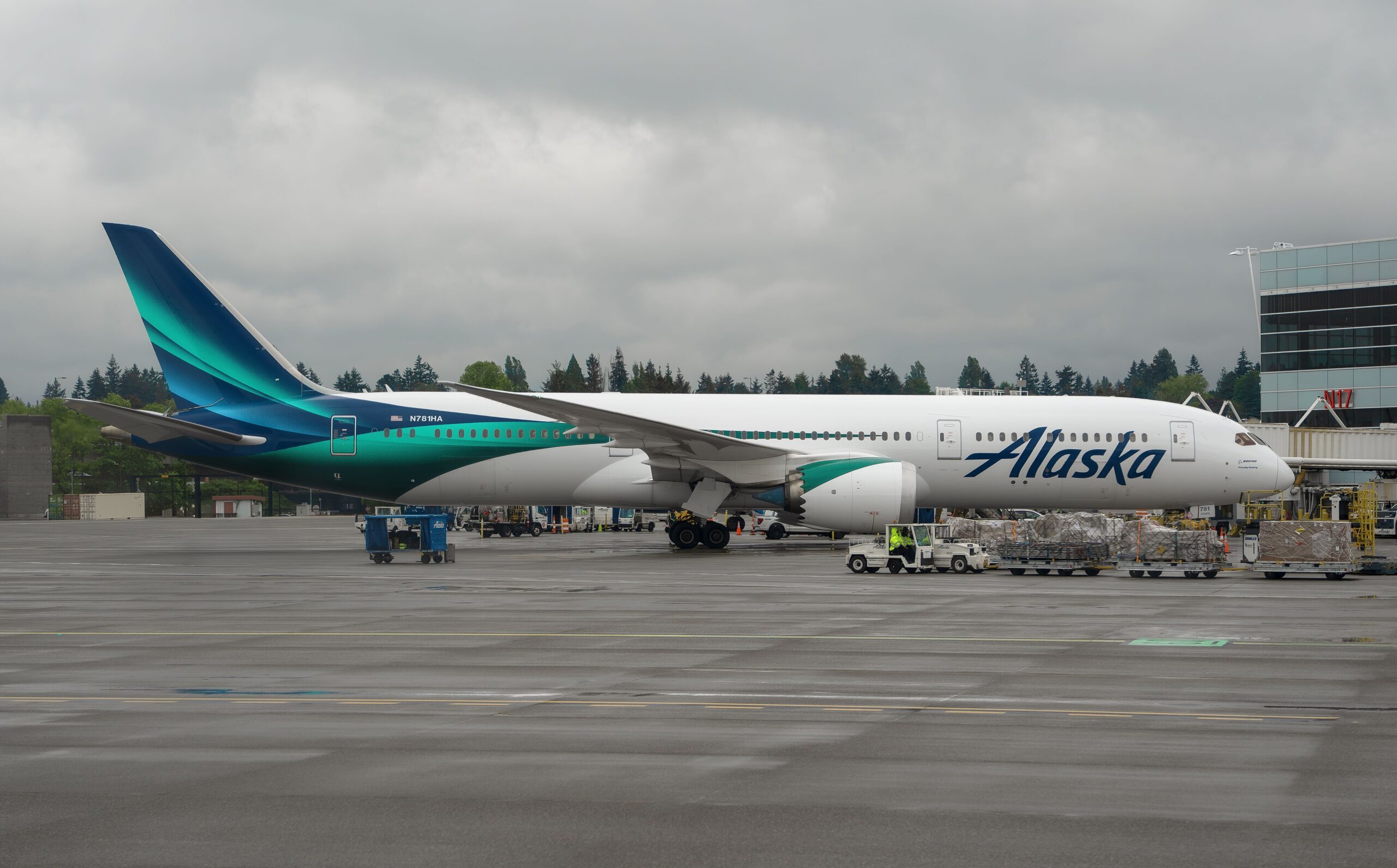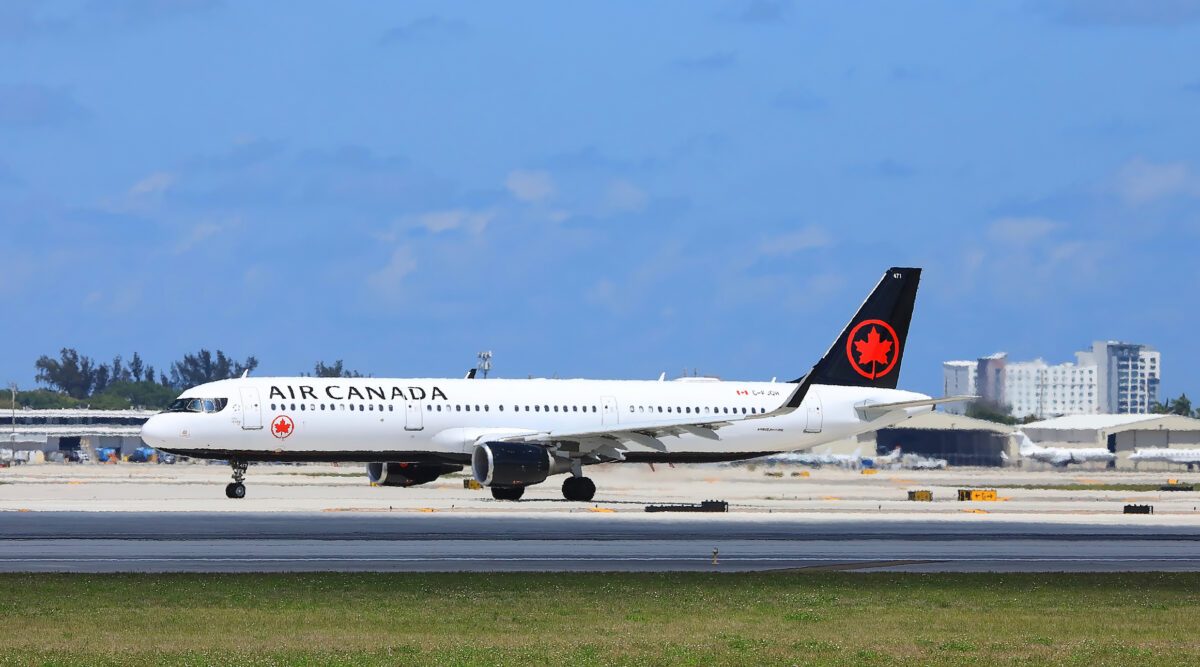
Air Canada has introduced the Airbus A321XLR between Montreal Trudeau (YUL) and Lyon Saint-Exupéry (LYS), adding another established transatlantic market to the new narrowbody’s growing assignment list.

The first eastbound operation departed Montreal on September 7 for arrival in Lyon on September 8. Air Canada and Aéroports de Lyon had announced the September introduction while marking the route’s 10th anniversary earlier this year.
The deployment is temporary. Air Canada’s current published schedule shows the A321XLR operating AC876 from YUL through October 22 and AC877 from LYS through October 23. Airbus A330-300 service begins with the northern winter schedule later in October.
Read our stories in your inbox
Two aviation newsletters. Zero fluff.
That gives Lyon an initial A321XLR run of about six weeks, rather than a permanent narrowbody conversion. Air Canada plans up to five flights a week during the XLR period, followed by four weekly A330 flights in winter.
The Westbound Flight Is Scheduled at Nearly Nine Hours
AC876 is scheduled to leave Montreal at 8:30 p.m. and reach Lyon at 9:55 a.m. the following day, giving it a block time of seven hours and 25 minutes. The westbound AC877 departs Lyon at 1:55 p.m. and arrives in Montreal at 4:40 p.m., a scheduled duration of eight hours and 45 minutes after accounting for the six-hour time difference.
The route therefore sits comfortably within the A321XLR’s performance envelope. Airbus gives the aircraft a maximum range of 4,700 nautical miles and up to 11 hours of flight time. Its principal structural change from the A321neo is a permanent 12,900-liter rear center fuel tank, accompanied by a maximum takeoff weight of 101.5 metric tons.
For Air Canada, the aircraft changes the economics and capacity profile of Lyon without stripping the route of a long-haul business product. The airline’s A321XLR carries 182 passengers: 14 in Signature Class and 168 in Economy.
Signature Class uses a 1-1 layout with fully flat seats and direct aisle access for every passenger. Air Canada says it is the first Canadian airline to offer lie-flat seating on a single-aisle aircraft. Economy retains the familiar 3-3 A320-family arrangement.
A New Cabin but No Premium Economy
Lyon passengers receive Air Canada’s new Glowing Hearted interior, which debuted with the A321XLR. The aircraft has 19-inch 4K OLED entertainment screens in Signature Class and 13-inch screens in Economy, with Bluetooth audio throughout the cabin. AC and high-powered USB-C outlets are installed at every seat, while Airbus Airspace XL bins increase overhead capacity.
The principal product difference from Air Canada’s widebodies is the absence of Premium Economy. The A321XLR is a two-cabin aircraft, so the switch concentrates the premium offer into 14 Signature Class seats rather than spreading it across business and premium-economy cabins.
Air Canada unveiled the interior in April, shortly before receiving its first aircraft. The cabin is intended to give the airline a consistent long-haul product on markets that do not require the capacity of an Airbus A330 or Boeing 787.
The airline took delivery of its first A321XLR in Hamburg on April 24. It placed the type into scheduled service between Montreal and Toronto on June 9, followed by its first international operation from Montreal to Toulouse on June 15.
Air Canada is acquiring 30 A321XLRs, divided evenly between leased aircraft and jets purchased directly from Airbus. The Pratt & Whitney GTF-powered fleet is being introduced across transatlantic routes and high-demand North American sectors as deliveries expand.
The A330 Returns for Winter Demand
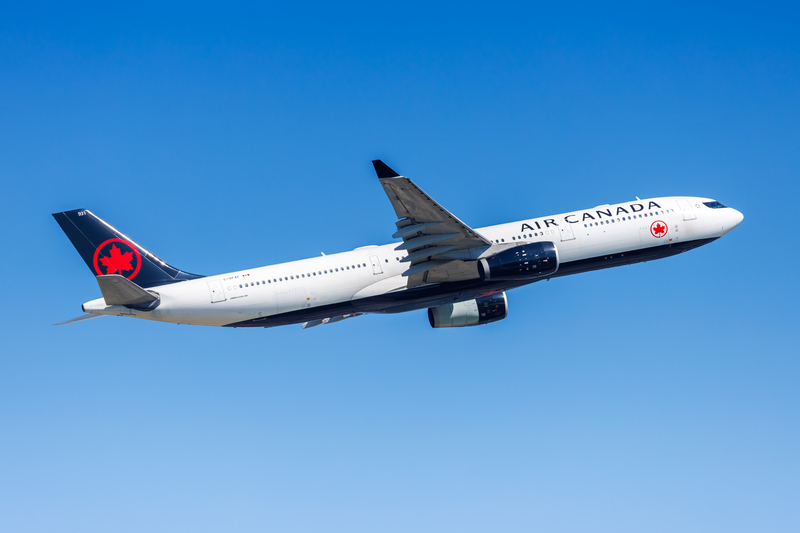
The aircraft change in late October reflects the unusual seasonality of the Lyon market. Rather than retaining the smaller jet throughout the quieter northern winter, Air Canada will restore the A330-300 because of demand associated with the ski season and the widebody’s greater cargo capacity.
Lyon is an important gateway for the French Alps, and the winter market brings passenger baggage and freight requirements that are not captured by seat numbers alone. A widebody can be the more useful aircraft even at a lower weekly frequency when each departure needs more space below the cabin floor.
The Lyon route dates to 2016 and operates year-round, with Montreal providing onward connections across Canada, the United States, Mexico, the Caribbean and Latin America. Air Canada and the airport describe it as the first year-round Montreal service offered from an airport in mainland France outside Paris.
The carrier has said the A321XLR will return to Lyon in 2027. Its latest schedule currently files the type on AC876 and AC877 from late March through April, before another move to the A330 in May. Aircraft assignments remain subject to change this far from operation.
Lyon is not a new destination unlocked by the XLR. It is instead an early example of Air Canada using the aircraft to adjust an existing long-haul route by season. The airline’s network planners have described that flexibility as central to the type’s role: opening thinner markets, retaining year-round service where widebody demand is insufficient, and supplementing larger aircraft during lower-demand periods.
Bottom Line
The immediate winner is the premium passenger traveling during the initial six-week deployment. Air Canada is putting a credible long-haul business seat on a narrowbody rather than treating the smaller gauge as a reason to dilute the product. Economy passengers trade a twin-aisle cabin for the A321XLR’s newer entertainment, power and overhead-bin package, although the removal of Premium Economy narrows the range of products available on the route.
More important is what the Lyon assignment says about Air Canada’s fleet plan. The carrier is not dividing its European network neatly between narrowbodies and widebodies. It is moving between them according to passenger demand, cargo requirements and season, allowing the same market to carry 182-seat XLRs in the shoulder period and higher-capacity A330s when winter traffic supports them.
The next test will be whether the 2027 schedule settles into a repeatable seasonal pattern. That will depend partly on the pace of A321XLR deliveries and partly on how Air Canada allocates a still-limited fleet among new routes and existing markets. Lyon shows the aircraft’s value is not confined to launching destinations: it can also keep capacity closer to demand without abandoning a premium long-haul proposition.